Hey there! I'm an overhead cable supplier, and today I want to chat about a question that often pops up: Can overhead cables be used for street lighting? It's a topic that's not only interesting but also has practical implications for our cities and communities.
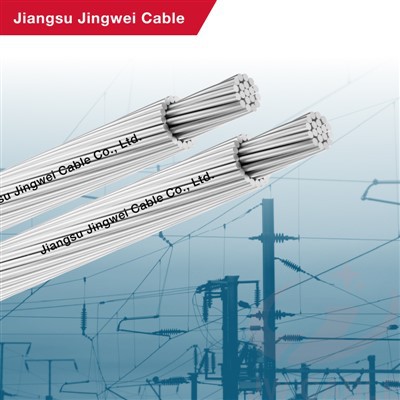
Let's start by understanding what overhead cables are. Overhead cables come in different types, each with its own unique features and uses. There are Overhead Conductor Cable, which are designed to carry electrical current. These cables are made of conductive materials like copper or aluminum and are essential for transmitting power from one place to another. Then there are Overhead Messenger Cable, which are used to support other cables. They provide the structural support needed to keep the conductor cables in place and prevent them from sagging. And of course, we have Overhead Power Lines, which are a combination of conductor and messenger cables used for large - scale power distribution.


Now, let's get to the main question: Can they be used for street lighting? The short answer is yes, they can. Overhead cables are a viable option for powering street lights, and here's why.
One of the biggest advantages of using overhead cables for street lighting is cost - effectiveness. Installing overhead cables is generally cheaper than laying underground cables. You don't have to dig trenches, which can be a time - consuming and expensive process. Plus, the materials for overhead cables are often less costly, especially when considering large - scale projects. For example, if a city is planning to install street lights in a new neighborhood, using overhead cables can save a significant amount of money on installation.
Another benefit is ease of maintenance. Overhead cables are visible and easily accessible. If there's a problem with the cable, such as a break or a fault, it's relatively easy for maintenance crews to locate and fix it. They can simply climb up the poles and make the necessary repairs. In contrast, underground cables are hidden, and finding and fixing a problem can be much more difficult and costly. It may require extensive digging to locate the damaged section of the cable.
Overhead cables also offer flexibility. They can be easily extended or modified as the needs of the area change. If a new street is added to a neighborhood, or if more street lights are required, it's straightforward to add an additional section of overhead cable. This adaptability makes them a great choice for areas that are growing or undergoing development.
However, there are also some challenges associated with using overhead cables for street lighting. One of the main concerns is aesthetics. Some people find overhead cables to be unsightly, especially in areas with a high - end or historical character. They can detract from the visual appeal of a street or a neighborhood. To address this issue, some cities have started using underground cables in these areas, even though it's more expensive.
Weather is another factor. Overhead cables are exposed to the elements, which can cause wear and tear over time. Strong winds, heavy rain, snow, and ice can all damage the cables. Lightning strikes are also a risk, as they can cause power surges and potentially damage the street lights. To mitigate these risks, proper insulation and grounding are essential. We, as overhead cable suppliers, make sure that our cables are designed to withstand various weather conditions.
Safety is also a consideration. Overhead cables are at a height, but there's still a risk of contact, especially in areas where there are low - flying objects or where people may come into close proximity to the poles. For example, in some industrial areas, cranes or other large machinery may accidentally come into contact with the cables. To prevent such accidents, safety measures like warning signs and proper installation are crucial.
When it comes to the technical aspects of using overhead cables for street lighting, the voltage and current requirements need to be carefully considered. Street lights typically operate at a lower voltage compared to large - scale power distribution. Our overhead cables can be designed to meet these specific requirements. We can adjust the thickness of the conductor and the insulation to ensure that the cable can safely carry the necessary current for the street lights.
In terms of installation, it's important to follow the proper procedures. The poles need to be installed at the right height and distance apart. The cables should be properly tensioned to prevent sagging. And the connections between the cables and the street lights need to be secure. As an overhead cable supplier, we can provide guidance on the installation process to ensure that everything is done correctly.
In conclusion, overhead cables can definitely be used for street lighting. They offer cost - effectiveness, ease of maintenance, and flexibility. However, there are also some challenges such as aesthetics, weather, and safety that need to be addressed. If you're considering using overhead cables for your street lighting project, we're here to help. We have a wide range of high - quality overhead cables that can meet your specific needs. Whether you need Overhead Conductor Cable, Overhead Messenger Cable, or Overhead Power Lines, we've got you covered.
If you're interested in learning more about our products or discussing your street lighting project, don't hesitate to reach out. We'd love to have a chat and see how we can assist you in making your project a success.
References:
- Electrical Engineering Handbook: This book provides in - depth knowledge about different types of electrical cables and their applications.
- Urban Planning and Infrastructure Guidelines: These guidelines offer insights into the best practices for installing street lighting and power distribution systems in urban areas.