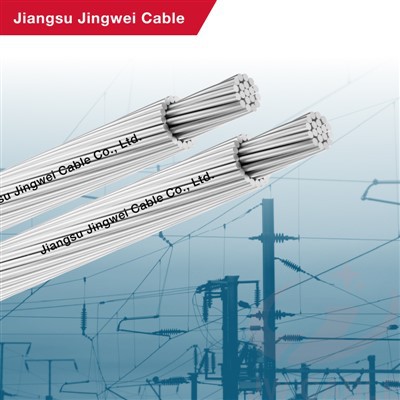
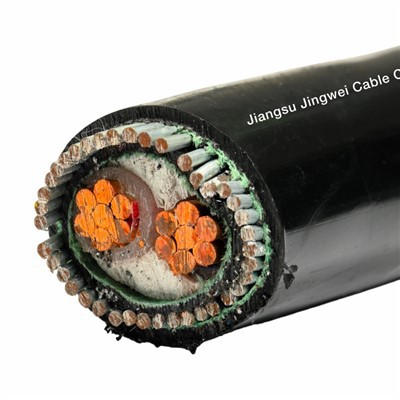
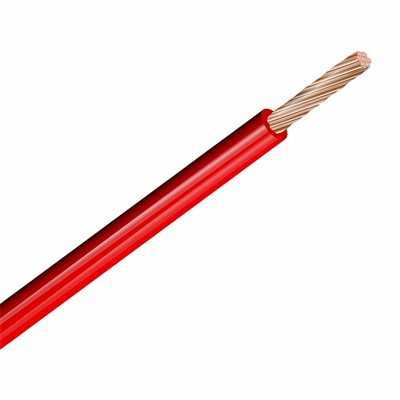
Hey there! As a supplier of single solid wire, I often get asked whether single solid wire is more prone to breakage than stranded wire. It's a great question, and one that I think deserves a thorough answer. So, in this blog post, I'm going to dive deep into the topic, exploring the characteristics of both single solid wire and stranded wire, and examining the factors that can contribute to wire breakage.
Let's start by defining what we mean by single solid wire and stranded wire. Single solid wire is exactly what it sounds like – a single, solid conductor. It's typically made of a single piece of metal, like copper or aluminum, and is commonly used in applications where a straight, rigid wire is required. On the other hand, Flexible Stranded Wire is made up of multiple smaller strands of wire that are twisted or braided together. This design gives stranded wire more flexibility and makes it better suited for applications where the wire needs to bend or move frequently.
Now, let's talk about breakage. Breakage in wires can occur due to a variety of reasons, including mechanical stress, environmental factors, and electrical overload. The question we need to answer is whether single solid wire or stranded wire is more likely to break under these conditions.
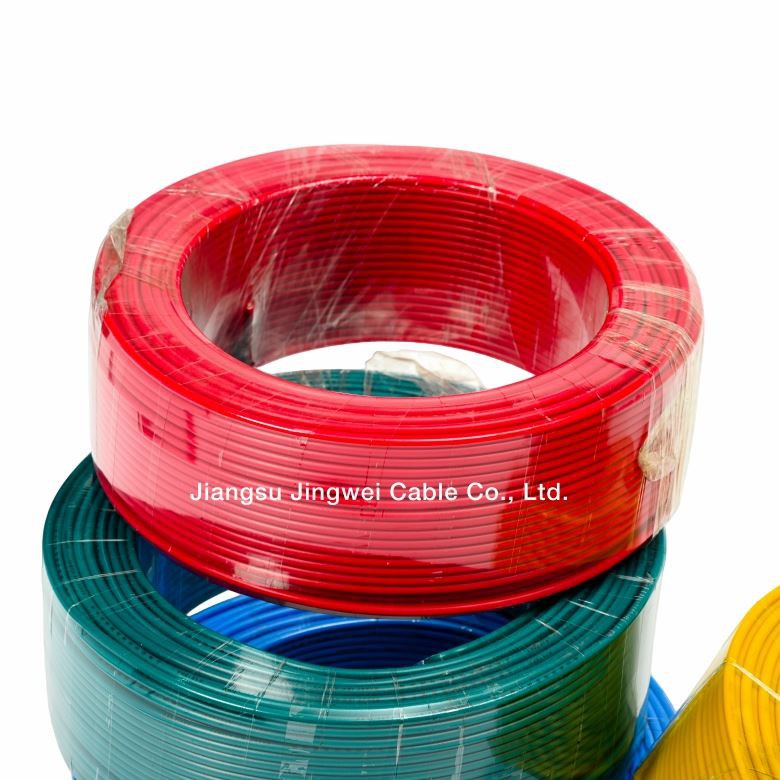
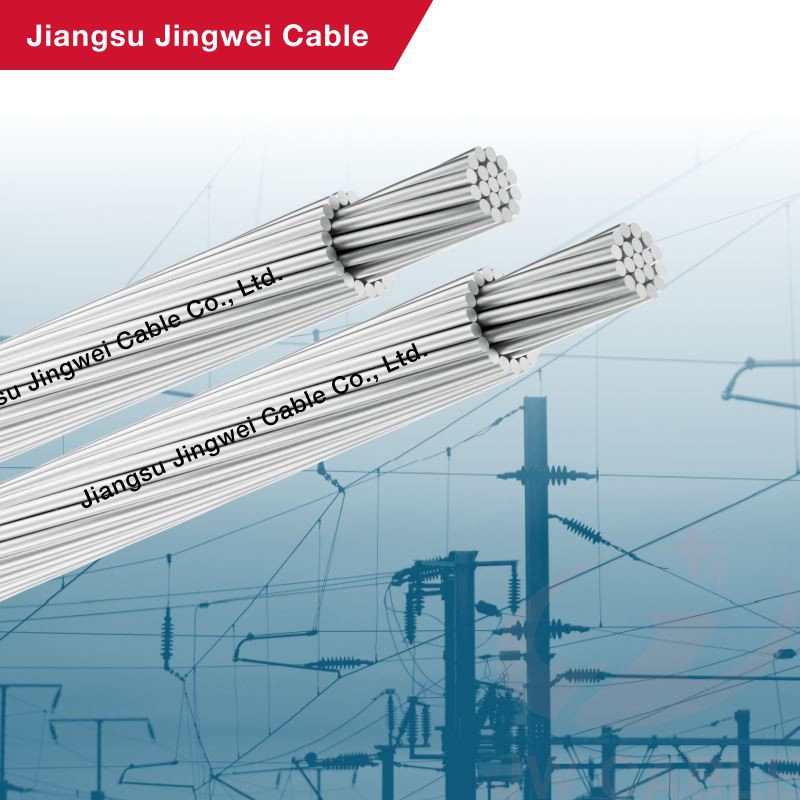
One of the main factors that can contribute to wire breakage is mechanical stress. Mechanical stress can occur when a wire is bent, twisted, or pulled. Single solid wire is less flexible than stranded wire, which means it's more likely to break when subjected to mechanical stress. If you try to bend a single solid wire too sharply, it can crack or break altogether. In contrast, the multiple strands in stranded wire allow it to flex and bend without breaking. This makes stranded wire a better choice for applications where the wire needs to move or bend frequently, such as in robotics, automotive wiring, or electronic devices.
Another factor to consider is environmental conditions. Exposure to heat, moisture, chemicals, and other environmental factors can weaken a wire over time and make it more prone to breakage. Single solid wire is generally more resistant to environmental factors than stranded wire. The solid structure of single solid wire makes it less likely to corrode or oxidize, which can extend its lifespan. However, if the environmental conditions are particularly harsh, even single solid wire can be damaged. In these cases, it may be necessary to use a protective coating or insulation to prevent breakage.
Electrical overload is another potential cause of wire breakage. When a wire is subjected to an electrical current that is higher than its rated capacity, it can overheat and melt. This can cause the wire to break or even start a fire. Both single solid wire and stranded wire can be affected by electrical overload, but the risk is generally higher for single solid wire. The solid structure of single solid wire makes it less efficient at dissipating heat than stranded wire. As a result, it's more likely to overheat and break when subjected to a high electrical current.
So, is single solid wire more prone to breakage than stranded wire? The answer is it depends. In general, single solid wire is less flexible than stranded wire, which means it's more likely to break when subjected to mechanical stress. However, single solid wire is generally more resistant to environmental factors and can withstand higher electrical currents than stranded wire. When choosing between single solid wire and stranded wire, it's important to consider the specific application and the factors that are most likely to affect the wire's performance.
At my company, we offer a wide range of single solid wire products that are designed to meet the needs of various applications. Stranded Electrical Cable might be the go - to for high - flex applications, but our single solid wire is perfect for situations where a rigid, long - lasting solution is required. Our single solid wire is made from high - quality materials, such as Copper Bare Conductor, which provides excellent conductivity and durability.
In addition to providing high - quality products, we also offer excellent customer service. Our team of experts is always available to answer your questions and help you choose the right wire for your application. Whether you're in the market for a small amount of wire for a DIY project or a large quantity for an industrial application, we can help.
If you're interested in learning more about our single solid wire products, or if you have any questions about wire breakage or other wire - related issues, don't hesitate to reach out. We're here to help you make the best decision for your needs. Contact us today to start a conversation about your wire procurement. I'm confident that once you try our single solid wire, you'll see the difference in quality and performance.
In conclusion, while single solid wire and stranded wire each have their own advantages and disadvantages when it comes to breakage, single solid wire can be a reliable and cost - effective choice for many applications. By understanding the factors that can contribute to wire breakage and choosing the right type of wire for your specific needs, you can ensure the safety and reliability of your electrical systems.
References
- Electrical Engineering Handbook: Covers general concepts of wire properties and usage.
- Conductive Materials Research Journals: Provide in - depth information on the performance of different types of wires under various conditions.