Hey there! As an overhead cable supplier, I've seen firsthand how overhead cables and trees interact, and it's a topic that's both fascinating and crucial for the safety and efficiency of our power systems.
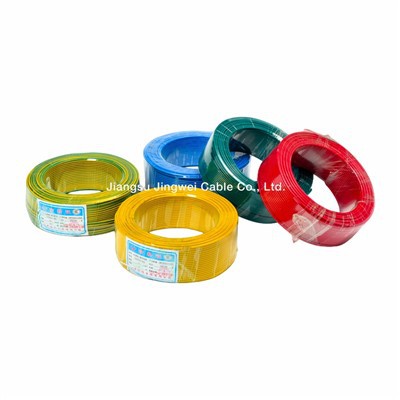
Let's kick things off by understanding the basics of these cables. We offer a variety of products, like Overhead Conductor Cable, Overhead Line Cable, and Outdoor Overhead Wire. Each type has its own unique features and uses, but they all share the common goal of transmitting electricity across long distances.
Now, when it comes to the interaction between overhead cables and trees, there are several factors at play. Trees are a natural part of our environment, and in many areas, power lines are installed in or near forested regions. This close proximity can lead to some interesting dynamics.
One of the most obvious issues is physical contact. As trees grow, their branches can extend and come into direct contact with the cables. This can cause a variety of problems. For starters, it can damage the cable insulation. The branches can rub against the insulation, wearing it down over time. Once the insulation is compromised, it can expose the electrical conductors inside, increasing the risk of short - circuits and electrical fires.
Moreover, heavy tree limbs can put mechanical stress on the cables. If a thick branch grows over a cable and then breaks due to strong winds, snow, or other weather conditions, it can pull down the cable along with it. This not only disrupts the power supply but also poses a significant safety hazard to people and property in the vicinity.
Weather also plays a huge role in this interaction. During storms, wet and heavy branches become even more dangerous. The additional weight can cause the cables to sag more than usual, increasing the chances of contact. And in areas where there's a lot of ice accumulation in winter, both the trees and the cables can be affected. Ice on tree branches can make them droop and fall onto the cables, while ice on the cables themselves makes them heavier and more prone to breakage.


But it's not all bad news. There are ways to manage this interaction to minimize the risks. One common method is tree trimming. Utility companies often have regular tree - trimming programs to keep branches away from the cables. By pruning the trees at the right intervals, they can prevent significant growth near the power lines.
Another approach is to use cables with better insulation and more robust designs. At our company, we constantly work on improving the quality of our cables to make them more resistant to environmental factors, including potential damage from trees. Our Overhead Conductor Cable, for example, is engineered to withstand a certain amount of external stress.
We can also use smart monitoring systems. These systems can detect when a tree branch is getting too close to the cables or if there's any damage to the cables due to tree - related issues. With real - time data, maintenance crews can be dispatched quickly to address the problem before it escalates.
It's also important to educate the public about the dangers associated with trees and overhead cables. Homeowners should be aware of the risks if they have trees near power lines on their property. They should refrain from attempting to trim the trees themselves, as it can be extremely dangerous and requires proper training and equipment. Instead, they should contact their local utility company or a professional arborist.
Now, let's talk about some of the long - term considerations. As the demand for electricity continues to grow, we need to find more sustainable ways to manage the interaction between overhead cables and trees. This might involve better planning when installing power lines. For instance, choosing routes that minimize the number of large trees in the vicinity can reduce the potential for problems.
In addition, new technologies are emerging that could change the game. For example, research is being done on using drones to monitor power lines and tree growth. Drones can cover large areas quickly and provide high - resolution images that can help identify potential issues early on.
As an overhead cable supplier, we're committed to providing the best products and solutions to deal with these challenges. Our Overhead Line Cable and Outdoor Overhead Wire are designed with the latest materials and technologies to ensure maximum safety and durability.
If you're in the market for high - quality overhead cables, we'd love to have a chat with you. Whether you're a utility company looking to upgrade your power grid or a contractor working on a new project, our team can help you find the right cables for your needs. Get in touch with us to start a conversation about your overhead cable requirements.
References
- Electrical Safety Foundation International. "Safety Around Overhead Power Lines."
- Tree Care Industry Association. "Best Practices for Tree Maintenance Near Power Lines."