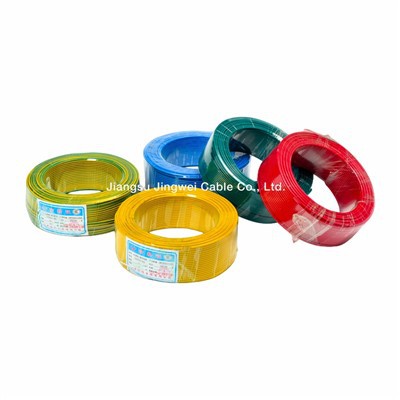
As a supplier of Aluminium Alloy Cable, I am often asked about the corrosion resistance properties of our products. In this blog, I will delve into the details of these properties and explain why aluminium alloy cables are a reliable choice in various environments.
Understanding Corrosion and Its Impact on Cables
Corrosion is a natural process that occurs when metals react with their environment. For cables, corrosion can lead to a range of problems, including reduced electrical conductivity, mechanical failure, and increased risk of short circuits. These issues can not only disrupt power supply but also pose safety hazards.
In the case of electrical cables, corrosion can be caused by a variety of factors, such as moisture, chemicals, and environmental pollutants. Different types of cables are exposed to different levels of these corrosive agents depending on their application and installation environment.
Corrosion Resistance of Aluminium Alloy Cables
Aluminium alloy cables are known for their excellent corrosion resistance, which is one of the key reasons for their widespread use. The corrosion resistance of aluminium alloy cables is mainly due to the following factors:
1. Formation of a Protective Oxide Layer
When aluminium is exposed to air, it forms a thin, dense oxide layer on its surface. This oxide layer, composed mainly of aluminium oxide (Al₂O₃), acts as a barrier that protects the underlying metal from further oxidation and corrosion. The oxide layer is self - healing, meaning that if it is damaged, it can reform quickly in the presence of oxygen.
The alloying elements in aluminium alloy cables can enhance the stability and protective properties of this oxide layer. For example, some alloying elements can make the oxide layer more resistant to pitting corrosion, which is a localized form of corrosion that can cause holes in the metal surface.
2. Resistance to Moisture
Moisture is one of the most common causes of corrosion in cables. Aluminium alloy cables have good resistance to moisture due to the protective oxide layer. Even in high - humidity environments, the oxide layer can prevent water from reaching the metal surface and causing corrosion.
In addition, the alloying elements in aluminium alloy cables can improve their performance in wet conditions. Some alloys are designed to have better resistance to galvanic corrosion, which can occur when two different metals are in contact in the presence of an electrolyte (such as water).
3. Chemical Resistance
Aluminium alloy cables can resist a wide range of chemicals. They are generally resistant to acids, alkalis, and salts, although the degree of resistance depends on the specific alloy composition and the concentration and type of chemicals.
For example, in industrial environments where cables may be exposed to chemical fumes or spills, aluminium alloy cables can provide reliable performance. However, in extremely corrosive chemical environments, additional protective measures may be required, such as using cable jackets with high chemical resistance.
Applications of Aluminium Alloy Cables Based on Corrosion Resistance
The corrosion resistance properties of aluminium alloy cables make them suitable for a variety of applications:
1. Outdoor Applications
In outdoor environments, cables are exposed to rain, snow, and humidity. Aluminium alloy cables are an ideal choice for outdoor applications such as Light Duty Outdoor Extension Cord. Their corrosion resistance ensures long - term performance and reliability in these harsh conditions.
For example, in outdoor lighting systems, aluminium alloy cables can withstand the elements and provide a stable power supply. They are also commonly used in outdoor power distribution networks, where they can resist the effects of moisture and environmental pollutants.

2. Underground Applications
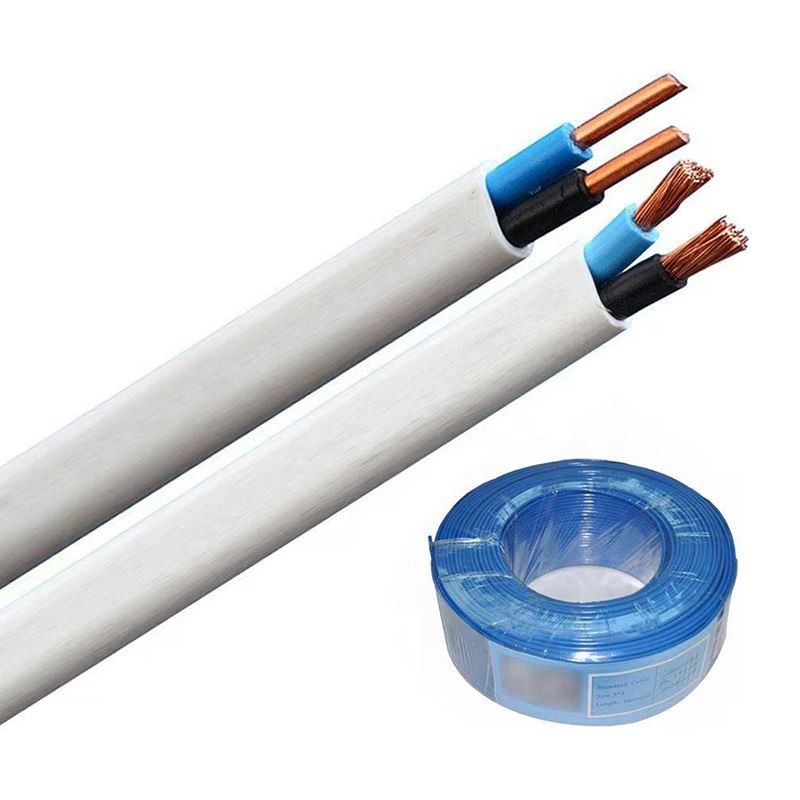
Underground cables are exposed to soil moisture, which can be corrosive. Aluminium alloy cables are well - suited for Outdoor Underground Wire applications. The protective oxide layer on the cable surface helps to prevent corrosion from the soil and groundwater.
In addition, the mechanical strength of aluminium alloy cables makes them suitable for the burial conditions in underground installations. They can withstand the pressure and stress from the surrounding soil without significant damage.
3. Industrial Applications
In industrial settings, cables may be exposed to various chemicals and pollutants. Aluminium alloy cables can be used in 3 Wire Power Cable applications in industrial plants. Their corrosion resistance allows them to operate safely in environments where there may be chemical spills or fumes.
For example, in chemical processing plants, aluminium alloy cables can be used to power equipment and machinery. They can resist the corrosive effects of chemicals such as acids and alkalis, ensuring the continuous operation of the plant.
Factors Affecting the Corrosion Resistance of Aluminium Alloy Cables
Although aluminium alloy cables have good corrosion resistance, several factors can affect their performance:
1. Alloy Composition
The specific alloy composition plays a crucial role in determining the corrosion resistance of aluminium alloy cables. Different alloying elements have different effects on the formation and properties of the oxide layer. For example, magnesium and silicon can improve the strength and corrosion resistance of the alloy, while copper can increase the electrical conductivity but may also affect the corrosion resistance in some cases.
2. Environmental Conditions
The environment in which the cables are installed has a significant impact on their corrosion resistance. Factors such as temperature, humidity, and the presence of pollutants can accelerate or slow down the corrosion process. For example, in coastal areas, the high salt content in the air can increase the risk of corrosion, while in arid regions, the lack of moisture may reduce the corrosion rate.
3. Installation and Maintenance
Proper installation and maintenance are essential for ensuring the long - term corrosion resistance of aluminium alloy cables. Cables should be installed in a way that minimizes their exposure to corrosive agents. For example, they should be protected from direct contact with water and chemicals.
Regular maintenance, such as inspection and cleaning, can also help to detect and prevent corrosion. If any signs of corrosion are detected, appropriate measures should be taken to address the issue, such as replacing the damaged cable sections.
Conclusion
In conclusion, aluminium alloy cables offer excellent corrosion resistance due to the formation of a protective oxide layer, resistance to moisture, and chemical resistance. These properties make them suitable for a wide range of applications, including outdoor, underground, and industrial settings.
However, it is important to consider factors such as alloy composition, environmental conditions, and installation and maintenance to ensure the optimal performance of aluminium alloy cables. If you are in need of high - quality aluminium alloy cables for your projects, we are here to provide you with reliable products and professional advice.
If you are interested in purchasing our aluminium alloy cables or have any questions about their corrosion resistance properties, please feel free to contact us for a consultation. We look forward to working with you to meet your cable needs.
References
- ASM Handbook, Volume 13A: Corrosion: Fundamentals, Testing, and Protection
- Metals Handbook Desk Edition, 3rd Edition