What is the price range of unarmoured power cable?
As a provider of unarmoured power cables, I often get asked about the price range of these essential electrical components. The cost of unarmoured power cables can vary widely depending on several factors, including the type of cable, its length, the material used, and the current market conditions. In this blog post, I'll break down these factors and provide you with a general idea of what you can expect to pay for unarmoured power cables.
Factors Affecting the Price of Unarmoured Power Cables
- Cable Type and Application
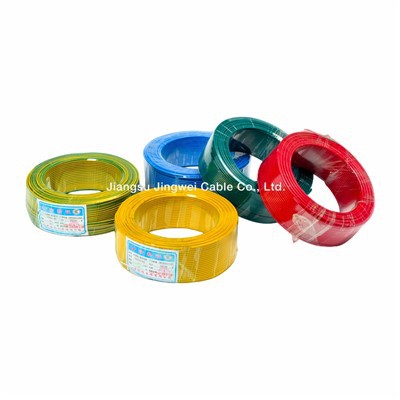
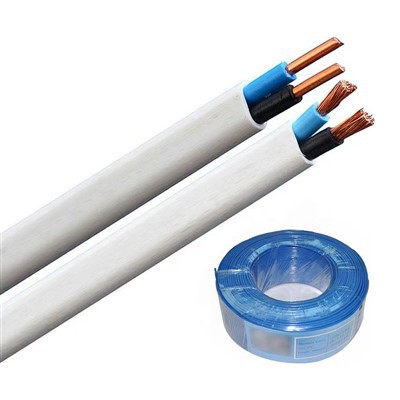
- Different types of unarmoured power cables are designed for specific applications. For example, a Light Duty Outdoor Extension Cord is typically used for less demanding, temporary outdoor electrical connections. These cords are usually less expensive due to their lower power - handling capacity and simpler construction. On the other hand, a Thick Power Cable is designed for high - power applications, such as industrial machinery or large electrical systems. These cables are more expensive because they need to handle higher currents and are often made with better - quality materials.
- Cable Length
- The length of the cable is a significant factor in determining its price. Longer cables require more raw materials and more complex manufacturing processes. As a result, the price of a cable generally increases linearly with its length. For instance, a 10 - meter unarmoured power cable will cost less than a 50 - meter cable of the same type and specification.
- Material Used
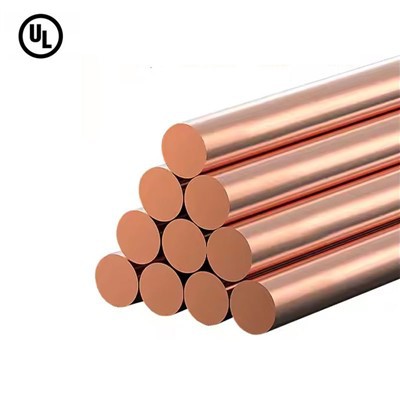
- The material of the conductor is a crucial determinant of the cable's price. Copper is a popular choice for power cables because of its excellent electrical conductivity. However, copper is relatively expensive compared to other materials. Aluminium alloy cables, like the Aluminium Alloy Cable, are a more cost - effective alternative. Aluminium is lighter and less expensive than copper, but it has a slightly lower conductivity. The insulation material also affects the price. High - quality insulation materials, such as cross - linked polyethylene (XLPE), are more expensive but offer better electrical performance and durability.
- Market Conditions
- The prices of raw materials, such as copper and aluminium, are subject to market fluctuations. When the demand for these metals is high or the supply is limited, the price of unarmoured power cables will increase. Additionally, factors like global economic conditions, trade policies, and currency exchange rates can also impact the final price of the cables.
Price Range of Unarmoured Power Cables
The price range of unarmoured power cables can be quite broad. For small - gauge, light - duty cables, such as those used for household appliances or small electrical tools, the price can start as low as a few dollars per meter. These cables are usually made of thinner conductors and have basic insulation.
On the other hand, for high - power, heavy - duty unarmoured power cables used in industrial settings, the price can range from tens to hundreds of dollars per meter. These cables are designed to handle large amounts of current and are often made with high - quality conductors and insulation materials.


Here is a rough price range based on different cable types:
- Light - duty unarmoured power cables: $1 - $5 per meter. These are typically used for low - power applications, such as charging mobile devices or powering small lamps.
- Medium - duty unarmoured power cables: $5 - $20 per meter. These cables are suitable for applications like powering small electrical appliances or tools in a home or workshop.
- Heavy - duty unarmoured power cables: $20 - $100+ per meter. These are used in industrial settings, such as factories or large construction sites, where high - power electrical systems are required.
How to Get the Best Price
If you're in the market for unarmoured power cables, there are several ways to get the best price:
- Compare Prices: Don't settle for the first quote you receive. Shop around and compare prices from different suppliers. You can also look for online marketplaces where you may find competitive prices.
- Buy in Bulk: If you need a large quantity of cables, buying in bulk can often result in significant savings. Many suppliers offer volume discounts.
- Consider Alternative Materials: As mentioned earlier, aluminium alloy cables can be a more cost - effective alternative to copper cables. Consider using these if your application allows for it.
Contact for Purchase and Negotiation
If you're interested in purchasing unarmoured power cables, I'd be more than happy to assist you. Whether you need a small quantity for a home project or a large order for an industrial application, I can provide you with detailed product information and competitive pricing. Feel free to reach out to discuss your specific requirements and explore the best options for your needs.
References
- Electrical Wiring Handbook, 18th Edition
- National Electrical Code (NEC)
- Industry reports on power cable manufacturing and pricing trends