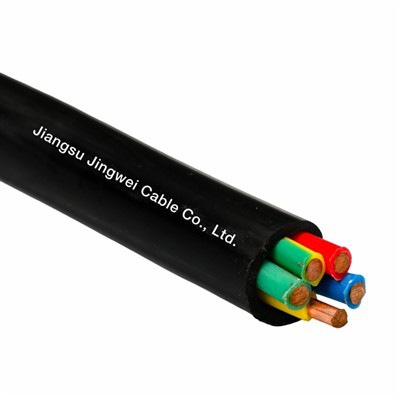
Hey there! I'm a supplier of Overhead Aluminum Wire, and today I want to chat with you about how to calculate the cost - effectiveness of overhead aluminum wire.
First off, let's understand what cost - effectiveness means. It's all about getting the most bang for your buck. In the case of overhead aluminum wire, we want to figure out if the benefits we get from using it are worth the cost.
Factors Affecting the Cost of Overhead Aluminum Wire
Material Costs
The price of aluminum is a major factor. Aluminum prices can fluctuate in the market. When the demand for aluminum is high, or there are supply - side issues like mining disruptions or trade restrictions, the cost of the raw material goes up. As a supplier, I keep a close eye on these market trends. For instance, if there's a sudden spike in aluminum prices, it'll directly impact the cost of our Overhead Aluminum Wire. You can check out more about Aluminium Overhead Line Conductor to understand the material better.
Manufacturing Costs
Manufacturing overhead aluminum wire involves several processes. There's the extrusion of the aluminum into the right shape, coating it for protection, and quality control checks. Each of these steps adds to the cost. For example, if we use advanced coating techniques to make the wire more resistant to corrosion, it'll cost a bit more. But this extra cost can pay off in the long run as it extends the lifespan of the wire.


Installation Costs
Installing overhead aluminum wire isn't a walk in the park. It requires specialized equipment and trained personnel. The terrain where the wire is to be installed also matters. If it's a mountainous area or a place with difficult access, the installation cost will be higher. And let's not forget about the cost of permits and regulatory compliance.
Benefits of Overhead Aluminum Wire
Conductivity
One of the biggest advantages of aluminum wire is its good electrical conductivity. It can efficiently transmit electricity over long distances. This means less power loss during transmission, which can save a lot of money in the long run. For large - scale power distribution projects, this is a huge plus. You can read more about Overhead Power Lines to see how aluminum wire fits into the bigger picture.
Lightweight
Aluminum is much lighter than copper, which is another common material for overhead wires. This makes it easier to handle during installation and reduces the load on the supporting structures. Less stress on the poles or towers means lower maintenance costs over time.
Corrosion Resistance
Aluminum has a natural oxide layer that provides some level of corrosion resistance. With proper coating, this resistance can be further enhanced. This means the wire can last longer in harsh environmental conditions, reducing the need for frequent replacements.
Calculating Cost - Effectiveness
To calculate the cost - effectiveness of overhead aluminum wire, we can use a simple formula:
Cost - Effectiveness = (Total Benefits / Total Costs)
Let's break down how to calculate the total benefits and total costs.
Total Benefits
- Energy Savings: As mentioned earlier, the good conductivity of aluminum wire leads to less power loss. We can calculate the energy savings over a certain period. For example, if a power grid saves 10% of electricity due to using aluminum wire, we can convert this into monetary terms based on the cost of electricity.
- Long - term Savings: The longer lifespan of the wire and lower maintenance costs are also part of the benefits. We can estimate the savings in replacement and maintenance costs over the expected lifespan of the wire.
Total Costs
- Initial Purchase Cost: This is the cost of buying the overhead aluminum wire. It depends on the length, diameter, and quality of the wire.
- Installation Cost: As discussed, installation costs can vary based on the location and complexity of the project.
- Maintenance Cost: This includes the cost of inspections, repairs, and any necessary replacements over the lifespan of the wire.
Let's say we have a project where the initial purchase cost of the overhead aluminum wire is $10,000, the installation cost is $5,000, and the estimated maintenance cost over 10 years is $3,000. So the total cost is $10,000 + $5,000+ $3,000 = $18,000.
Now, let's assume that the energy savings over 10 years amount to $12,000, and the long - term savings in maintenance and replacement costs are $8,000. So the total benefits are $12,000 + $8,000 = $20,000.
Using the cost - effectiveness formula, Cost - Effectiveness = ($20,000 / $18,000) ≈ 1.11. A value greater than 1 indicates that the benefits outweigh the costs, so in this case, using overhead aluminum wire is cost - effective.
Why Choose Our Overhead Aluminum Wire
As a supplier, we take pride in offering high - quality Overhead Aluminum Wire. Our wire is manufactured using the latest technology and undergoes strict quality control. We ensure that it meets all the industry standards and can perform well in various environmental conditions.
We also offer competitive pricing. We understand that cost is a major factor for our customers, so we strive to keep our prices reasonable without compromising on quality.
If you're in the market for overhead aluminum wire, I encourage you to reach out to us. Whether you're working on a small - scale project or a large - scale power distribution network, we can provide you with the right solution. We can help you calculate the cost - effectiveness for your specific project and offer you the best deal.
In conclusion, calculating the cost - effectiveness of overhead aluminum wire is crucial for making informed decisions. By considering all the factors involved in costs and benefits, you can determine if it's the right choice for your project. And if you need any assistance or have any questions, don't hesitate to contact us. We're here to help you make the most cost - effective choice for your overhead wiring needs.
References
- Industry reports on aluminum market trends
- Engineering handbooks on electrical conductivity and wire installation
- Case studies on the use of overhead aluminum wire in power distribution projects