Is single solid wire suitable for use in wind turbine electrical systems?
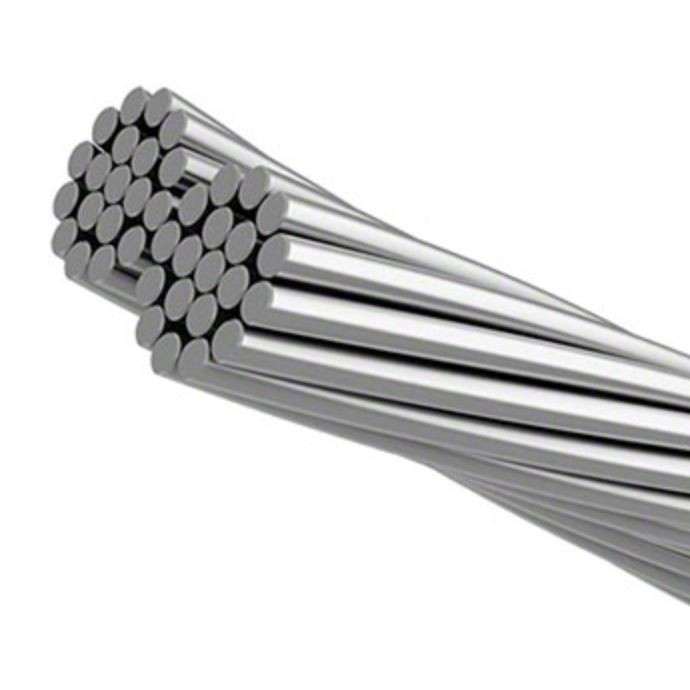
In the dynamic and ever - evolving field of renewable energy, wind turbines stand as a cornerstone of sustainable power generation. The electrical systems within these turbines are complex and crucial for their efficient operation. One of the key components in these systems is the electrical wire. As a supplier of single solid wire, I am often asked whether single solid wire is suitable for use in wind turbine electrical systems. In this blog, we will explore the characteristics of single solid wire and evaluate its suitability for this specific application.
Understanding Single Solid Wire
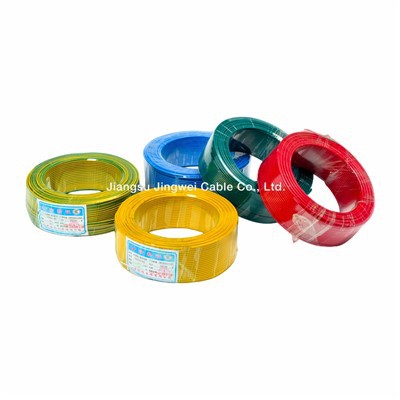
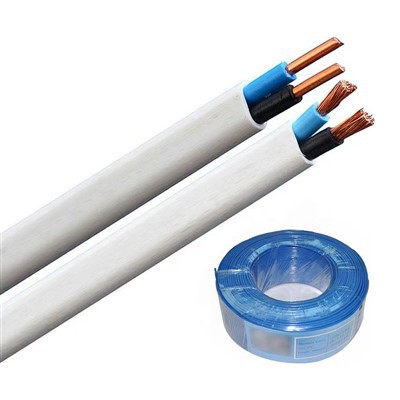
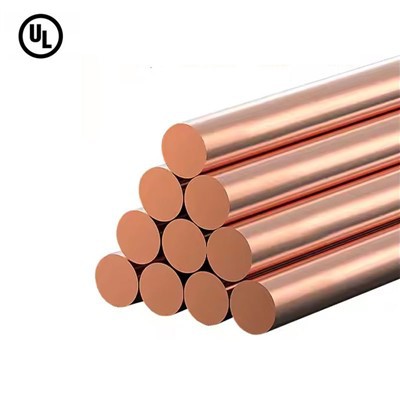
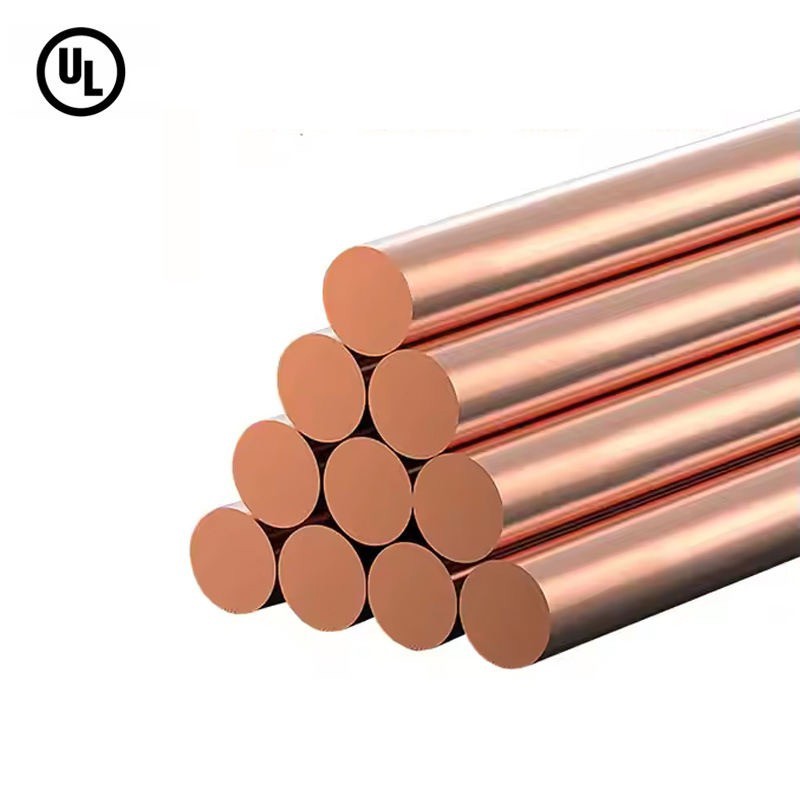
Single solid wire consists of a single, continuous piece of conductive material, typically copper or aluminum. It is known for its simplicity and relatively low cost. The solid structure provides excellent conductivity, as there is a direct path for the flow of electricity. This can result in lower resistance compared to some other types of wires, which is beneficial for minimizing power losses.
Advantages of Single Solid Wire in Wind Turbine Electrical Systems
1. High Conductivity
As mentioned earlier, single solid wire offers high conductivity. In wind turbine electrical systems, where the efficient transfer of electrical energy is of utmost importance, high conductivity helps to ensure that the power generated by the turbine is effectively transmitted to the grid or storage systems. This can lead to increased overall efficiency of the wind turbine.
2. Durability
The solid structure of single solid wire makes it more resistant to mechanical stress and damage compared to some other types of wires. In the harsh environment of a wind turbine, where the wires are exposed to vibrations, wind forces, and temperature variations, durability is a critical factor. Single solid wire can withstand these conditions better, reducing the risk of wire breakage and system failures.
3. Ease of Installation
Single solid wire is relatively easy to install. It is less flexible than stranded wire, but this can be an advantage in some cases. For example, when running wires through conduits or in fixed positions, the solid wire can be more easily routed and secured. This can save time and labor during the installation process.
Disadvantages of Single Solid Wire in Wind Turbine Electrical Systems
1. Lack of Flexibility
One of the main drawbacks of single solid wire is its lack of flexibility. In a wind turbine, there are often moving parts, such as the blades and the nacelle. These movements require wires that can bend and flex without breaking. Single solid wire may not be able to withstand repeated bending and flexing as well as Shielded Stranded Wire or Flexible Stranded Wire. Over time, this can lead to wire fatigue and breakage.
2. Limited Resistance to Vibration
Although single solid wire is durable, it may not be as effective in handling vibrations as stranded wire. The continuous structure of the solid wire can transmit vibrations more easily, which can cause stress on the wire and its connections. This can lead to loose connections and potential electrical problems.
3. Difficulty in Termination
Terminating single solid wire can be more challenging than terminating stranded wire. The solid wire requires special tools and techniques to ensure a proper connection. If the termination is not done correctly, it can lead to high resistance, overheating, and potential electrical failures.
Considerations for Using Single Solid Wire in Wind Turbine Electrical Systems
1. Location within the Turbine
The suitability of single solid wire depends on its location within the wind turbine. In areas where there is little movement and vibration, such as the fixed parts of the electrical system, single solid wire can be a good choice. For example, in the connection between the generator and the control panel, where the wire is not subject to significant bending or movement, single solid wire can provide reliable conductivity.
2. Compatibility with Other Components
Single solid wire needs to be compatible with other components in the electrical system, such as connectors, switches, and circuit breakers. It is important to ensure that the wire size, insulation material, and termination methods are compatible with these components to avoid electrical problems.
3. Environmental Conditions
The environmental conditions in which the wind turbine operates also play a role in the suitability of single solid wire. In areas with high humidity, extreme temperatures, or corrosive environments, the wire needs to be able to withstand these conditions. Single solid wire with appropriate insulation and coating can be used in such environments, but it is important to choose the right type of wire for the specific conditions.
Alternatives to Single Solid Wire in Wind Turbine Electrical Systems
1. Stranded Wire
Shielded Stranded Wire and Flexible Stranded Wire are popular alternatives to single solid wire in wind turbine electrical systems. Stranded wire consists of multiple small strands of conductive material twisted together. This structure provides greater flexibility and better resistance to vibration and bending compared to single solid wire.
2. Hard Drawn Bare Copper Wire
Hard drawn bare copper wire is another option for wind turbine electrical systems. It has high conductivity and is relatively strong. However, it may require additional insulation and protection in some applications.
Conclusion
In conclusion, single solid wire can be suitable for use in wind turbine electrical systems under certain conditions. Its high conductivity and durability make it a good choice for fixed parts of the electrical system where there is little movement and vibration. However, its lack of flexibility and limited resistance to vibration may make it less suitable for areas with moving parts. When considering the use of single solid wire in a wind turbine electrical system, it is important to carefully evaluate the specific requirements of the system, including the location, environmental conditions, and compatibility with other components.
If you are interested in learning more about single solid wire for your wind turbine electrical systems or would like to discuss potential procurement opportunities, please feel free to reach out. We are here to provide you with the best solutions and support for your renewable energy projects.
References
- "Electrical Wiring Handbook" by Terrell Croft and Wilford Summers
- "Renewable Energy Systems: Design and Analysis with Inductive Machine" by Ned Mohan