Vibration problems with Kabel Overhead are a significant concern in the field of electrical power transmission. As a Kabel Overhead supplier, I have witnessed firsthand the impact of these issues on the performance and longevity of overhead cables. In this blog, I will delve into the various vibration problems associated with Kabel Overhead, explore their causes, and discuss potential solutions.
Types of Vibration in Kabel Overhead
There are primarily two types of vibration that affect Kabel Overhead: aeolian vibration and galloping.
Aeolian Vibration


Aeolian vibration is a high - frequency, low - amplitude vibration that occurs when wind flows across the cable. The shedding of vortices on the leeward side of the cable creates alternating forces that cause the cable to vibrate. This type of vibration typically has a frequency range of 5 - 150 Hz and an amplitude of a few millimeters. Aeolian vibration can lead to fatigue failure of the cable strands over time, as the repeated stress weakens the material.
Galloping
Galloping, on the other hand, is a low - frequency, high - amplitude vibration. It usually occurs under specific weather conditions, such as when the cable is covered with ice and there is a cross - wind. The irregular shape of the ice - covered cable causes aerodynamic forces that result in large - scale vibrations. Galloping vibrations can have frequencies as low as 0.1 - 1 Hz and amplitudes of several meters. This type of vibration can cause significant damage to the cable, towers, and other components of the overhead line system.
Causes of Vibration in Kabel Overhead
The causes of vibration in Kabel Overhead are multifaceted and can be attributed to several factors.
Wind
Wind is the primary cause of both aeolian vibration and galloping. The speed, direction, and turbulence of the wind play a crucial role in determining the type and intensity of vibration. For example, a steady, laminar wind is more likely to cause aeolian vibration, while a gusty wind with a certain range of speeds can trigger galloping.
Cable Characteristics
The physical properties of the cable, such as its diameter, weight, and stiffness, also influence its susceptibility to vibration. Thinner cables are generally more prone to aeolian vibration, while cables with a non - circular cross - section or those covered with ice are more likely to experience galloping.
Terrain and Environmental Conditions
The terrain where the overhead line is installed can affect the wind patterns and thus the vibration of the cables. For instance, open plains or mountainous regions may have different wind characteristics. Additionally, environmental factors like temperature, humidity, and ice formation can all contribute to vibration problems.
Impact of Vibration on Kabel Overhead
The vibration of Kabel Overhead can have severe consequences for the power transmission system.
Structural Damage
Aeolian vibration can cause fatigue damage to the cable strands, leading to strand breakage. Over time, this can weaken the cable and reduce its load - carrying capacity. Galloping, on the other hand, can cause excessive stress on the towers and insulators, potentially leading to their failure. This can result in power outages and costly repairs.
Electrical Performance
Vibration can also affect the electrical performance of the cable. For example, strand breakage due to aeolian vibration can increase the resistance of the cable, leading to power losses. In extreme cases, galloping can cause the cables to come into contact with each other, resulting in short - circuits.
Solutions to Vibration Problems in Kabel Overhead
To mitigate the vibration problems associated with Kabel Overhead, several solutions can be implemented.
Dampers
Dampers are commonly used to reduce aeolian vibration. These devices work by absorbing the energy of the vibration and converting it into heat. There are different types of dampers, such as Stockbridge dampers, which are widely used in overhead lines. Stockbridge dampers consist of two weights attached to a cable by a short length of wire. When the cable vibrates, the weights oscillate out of phase with the cable, dissipating the vibration energy.
Aerodynamic Shapes
Designing cables with aerodynamic shapes can help reduce the likelihood of galloping. For example, using cables with a smooth, circular cross - section can minimize the aerodynamic forces that cause galloping. Additionally, some cables are designed with helical or other special shapes to disrupt the formation of vortices and reduce vibration.
Monitoring and Maintenance
Regular monitoring of the overhead line system is essential to detect vibration problems early. This can be done using sensors that measure the vibration amplitude and frequency. By monitoring the vibration levels, operators can take proactive measures to prevent damage. Maintenance activities, such as inspecting the cables and dampers for wear and tear, can also help ensure the long - term reliability of the system.
Our Products and Their Resistance to Vibration
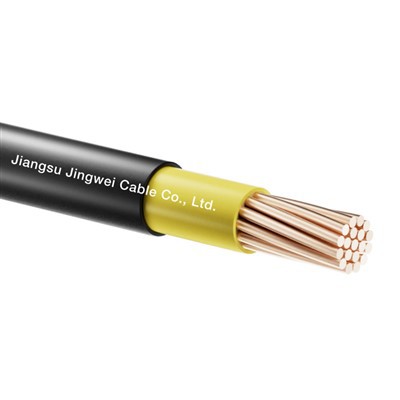
As a Kabel Overhead supplier, we offer a range of high - quality products that are designed to withstand vibration. Our Aluminium Overhead Line Conductor is made from high - strength aluminum alloy, which provides excellent resistance to fatigue caused by aeolian vibration. The conductor is carefully engineered to have the right balance of flexibility and stiffness, reducing the risk of strand breakage.
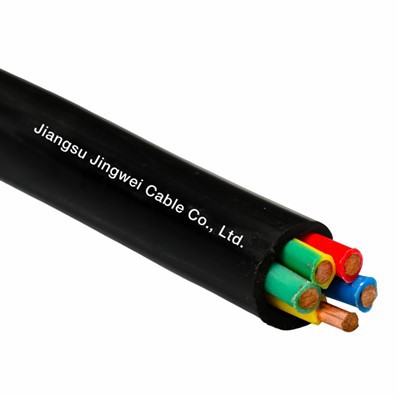
Our Aerial Power Cable is also designed with vibration in mind. The cable's construction includes features that help dampen vibrations and prevent galloping. The outer sheath of the cable is made from a durable material that can withstand the harsh environmental conditions and resist the effects of vibration.
In addition, our Outdoor Overhead Wire is designed to be resistant to both aeolian vibration and galloping. The wire is manufactured using advanced techniques to ensure its structural integrity and performance under different vibration conditions.
Conclusion
Vibration problems with Kabel Overhead are a complex issue that requires careful consideration and appropriate solutions. As a supplier, we are committed to providing high - quality products that can withstand the challenges posed by vibration. By understanding the causes and effects of vibration, and by implementing effective mitigation strategies, we can ensure the reliable operation of overhead power transmission systems.
If you are interested in our Kabel Overhead products and would like to discuss your specific requirements, please feel free to reach out to us. We look forward to working with you to find the best solutions for your power transmission needs.
References
- Johnson, A. (2018). "Vibration Analysis in Overhead Power Lines." Electrical Engineering Journal.
- Smith, B. (2019). "Mitigation of Galloping in Overhead Cables." Power Systems Research.
- Williams, C. (2020). "Aeolian Vibration and Its Impact on Overhead Line Performance." Transmission and Distribution Magazine.