When it comes to electrical wiring, choosing the right type of wire is crucial for both performance and cost - effectiveness. As a supplier of overhead aluminum wire, I am often asked about the cost comparison between overhead aluminum wire and other types of wires. In this blog, we'll explore this topic in detail, taking into account various factors that influence the cost.
Material Costs
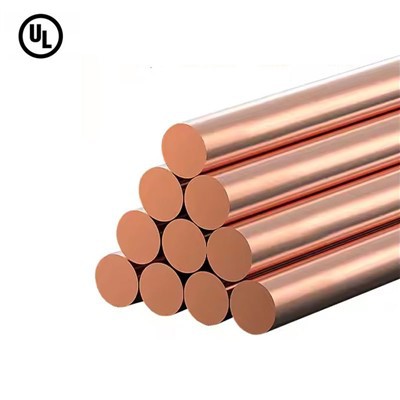
The first and most obvious factor in the cost of a wire is the material from which it is made. Copper is a popular choice for electrical wiring due to its excellent conductivity. However, copper is also significantly more expensive than aluminum. The price of copper is subject to market fluctuations, but generally, it can be 2 - 3 times more costly than aluminum.
Aluminum, on the other hand, is abundant and relatively inexpensive. This makes overhead aluminum wire a more budget - friendly option from a material cost perspective. For large - scale electrical projects, such as the installation of Overhead Power Lines, the cost savings in using aluminum can be substantial.
Installation Costs
Installation costs are another important consideration. Aluminum wires are lighter than copper wires of the same current - carrying capacity. This reduced weight makes them easier and less expensive to install, especially for overhead applications.


When installing overhead wires, the weight of the wire affects the design and cost of the supporting structures. Lighter aluminum wires require less robust poles and fittings, which can lead to significant savings in installation costs. For example, fewer and less - heavy poles are needed to support an aluminum wire compared to a copper wire of the same length and capacity.
In addition, the ease of handling aluminum wires during installation can also reduce labor costs. Workers can install aluminum wires more quickly and with less effort, which can translate into lower overall installation expenses.
Conductivity and Efficiency
While copper has better conductivity than aluminum, modern aluminum wires are designed to have good conductivity. To achieve the same current - carrying capacity as a copper wire, an aluminum wire needs to have a larger cross - sectional area. This means that more aluminum material is used, which might seem to increase the cost.
However, when considering the overall system cost, the slightly lower conductivity of aluminum can be offset by its lower material and installation costs. Moreover, with proper design and engineering, the efficiency losses in an aluminum wire system can be minimized. For long - distance power transmission, Aerial Power Cable made of aluminum can be a very cost - effective solution.
Maintenance Costs
Maintenance costs also play a role in the long - term cost of a wiring system. Aluminum wires are more prone to oxidation than copper wires. However, modern aluminum wires are often coated or treated to prevent oxidation and corrosion.
Once properly installed and maintained, the maintenance costs of overhead aluminum wire can be relatively low. In some cases, the reduced weight of aluminum wires can also lead to less stress on the supporting structures, which can result in lower maintenance requirements for the poles and fittings.
Long - Term Durability
The long - term durability of a wire is an important factor in cost analysis. Aluminum wires can have a long service life if they are installed and maintained correctly. The key is to ensure that the connections are properly made to prevent issues such as overheating and corrosion.
Compared to some other types of wires, such as steel - cored wires, aluminum wires can offer a good balance between cost and durability. Steel - cored wires are often used for high - tension applications, but they can be more expensive and may require more maintenance due to the potential for corrosion of the steel core.
Comparison with Other Types of Wires
Copper Wires
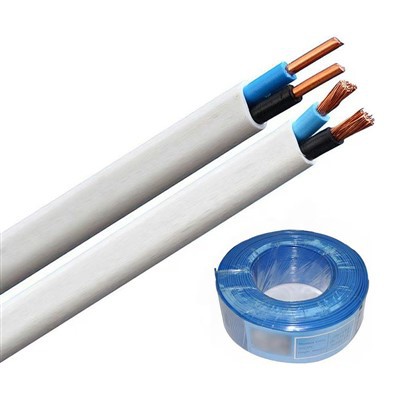
As mentioned earlier, copper wires have better conductivity than aluminum wires. However, the high material cost of copper makes it less cost - effective for large - scale overhead applications. Copper wires are more commonly used in indoor wiring, where the cost is less of a concern and the space is limited.
Steel - Cored Aluminum Wires (ACSR)
Steel - cored aluminum wires combine the strength of steel with the conductivity of aluminum. They are often used for high - voltage transmission lines because they can withstand high tensions. The cost of ACSR wires is higher than that of pure aluminum wires due to the addition of the steel core. However, they offer better mechanical properties, which can be necessary in certain applications.
Fiberglass - Reinforced Aluminum Wires
Fiberglass - reinforced aluminum wires are a relatively new type of wire. They offer high strength and good conductivity. The cost of these wires is usually higher than that of standard aluminum wires, but they can be a good choice for applications where high strength and low weight are required.
Conclusion
In conclusion, overhead aluminum wire offers significant cost advantages compared to other types of wires. From material and installation costs to long - term maintenance and durability, aluminum wire is a cost - effective solution for many overhead electrical applications.
If you are considering a project that requires overhead wiring, I encourage you to explore the benefits of Aluminum Overhead Cable. Our company is a leading supplier of overhead aluminum wire, and we can provide you with high - quality products and professional advice. Whether you are working on a small - scale local project or a large - scale power transmission system, we can help you find the right solution for your needs.
If you have any questions or would like to discuss your project in more detail, please feel free to reach out to us. We look forward to the opportunity to work with you and help you achieve your electrical goals.
References
- "Electrical Wiring Handbook", by Rex M. Miller
- "Power System Analysis and Design", by J. Duncan Glover, Mulukutla S. Sarma, and Thomas J. Overbye