Hey there! As a supplier of electrical power wires, I often get asked about the difference between flexible and rigid electrical power wires. It's a question that's not only important for those in the electrical industry but also for anyone who wants to make informed decisions when it comes to wiring their homes or workplaces. So, let's dive right in and explore the key differences between these two types of wires.


Construction and Design
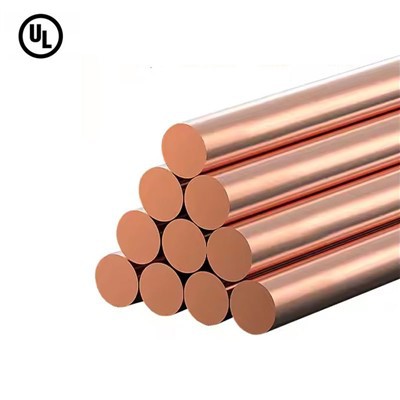
First off, let's talk about how these wires are built. Rigid electrical power wires are typically made up of solid conductors. These solid conductors are usually a single, thick piece of metal, often copper or aluminum. The solid construction gives the wire a firm and stable structure. It's like a straight - up, no - nonsense kind of wire. This makes it great for applications where the wire doesn't need to bend a whole lot, like in fixed installations within buildings.
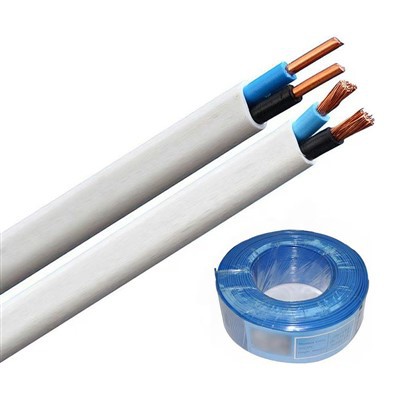
On the other hand, flexible electrical power wires are made of multiple thin strands of conductors twisted together. This stranded design allows the wire to be much more bendable. You can think of it as a rope made up of many small threads. It can easily adapt to different shapes and positions, which is super useful in situations where the wire needs to move or be bent frequently.
Flexibility and Bendability
The most obvious difference between the two is right in their names. Rigid wires, well, they're rigid. They're not easy to bend, and if you try to force them into a tight curve, you might end up damaging the wire. They're best suited for set - in - stone installations, like wiring in walls or large electrical panels where the wire will stay in one place.
Flexible wires, as the name suggests, are extremely flexible. You can bend them into all sorts of shapes without causing any harm. This makes them ideal for applications such as portable appliances, robotics, and equipment that needs to be moved around. For example, the cords on your vacuum cleaner or your laptop charger are flexible wires. They need to be able to move with the device, and the flexible design allows for that.
Installation
When it comes to installation, rigid and flexible wires have their own pros and cons. Rigid wires are easier to install in straight runs. Since they're stiff, they can be easily held in place during the installation process. They're also less likely to get tangled, which can save a lot of time and frustration. However, when it comes to making bends or running the wire around corners, rigid wires can be a bit of a pain. You might need special tools and techniques to get them to fit properly.
Flexible wires, on the other hand, are a breeze to install in areas where there are a lot of bends and curves. You can easily snake them through tight spaces and around obstacles. But because they're so flexible, they can be more difficult to keep in place. You might need to use more cable ties or other fastening methods to ensure they stay put.
Durability and Longevity
Durability is an important factor to consider when choosing between flexible and rigid wires. Rigid wires are generally more durable in terms of withstanding physical stress in a fixed position. The solid conductor is less likely to break or wear out over time, especially in environments where there's minimal movement. However, if they're subjected to repeated bending or twisting, the solid conductor can crack, which can lead to electrical problems.
Flexible wires are more resilient to bending and flexing. The stranded conductors can handle repeated movement without breaking as easily. But they're more vulnerable to abrasion. If the outer insulation of a flexible wire gets rubbed against a rough surface, it can wear down more quickly, exposing the conductors and creating a safety hazard.
Electrical Performance
In terms of electrical performance, both types of wires have their characteristics. Rigid wires usually have lower resistance because of the solid conductor. This means they can carry more current with less energy loss. They're often used in high - power applications where efficiency is crucial, such as in industrial electrical systems.
Flexible wires, while they may have slightly higher resistance due to the stranded conductors, are still suitable for a wide range of applications. They can handle a decent amount of current, especially for smaller appliances and devices. And because they can be easily moved and re - arranged, they're very versatile in terms of electrical connections.
Cost
Cost is always a consideration when purchasing electrical power wires. Rigid wires are generally less expensive to manufacture because of their simpler construction. They're also more cost - effective for large - scale, fixed installations.
Flexible wires, on the other hand, are more expensive. The process of stranding multiple conductors together and adding extra insulation to protect against abrasion adds to the cost. But for applications where flexibility is essential, the extra cost is often worth it.
Applications
Let's take a look at some specific applications for each type of wire. Rigid wires are commonly used in building wiring systems. They're used to connect electrical panels to outlets, switches, and lighting fixtures. They're also used in industrial settings for power distribution to large machinery.
Flexible wires have a wide range of applications. They're used in portable electrical devices like 3 Wire Power Cable, which is great for many home appliances. They're also used in outdoor applications such as Two Prong Extension Cord Outdoor and Light Duty Outdoor Extension Cord. These cords need to be flexible so they can be easily moved around and used in different locations.
Conclusion
So, there you have it - the main differences between flexible and rigid electrical power wires. Each type has its own unique advantages and disadvantages, and the choice between them depends on your specific needs. Whether you're working on a large - scale industrial project or just need to wire a small home appliance, understanding these differences will help you make the right decision.
If you're in the market for electrical power wires, I'd love to have a chat with you. We can discuss your requirements and find the best solution for your project. Whether you need flexible wires for a portable application or rigid wires for a fixed installation, we've got you covered. So, don't hesitate to reach out and start the conversation. Let's work together to get the right electrical power wires for your needs.
References
- Electrical Wiring Handbook, various editions
- National Electrical Code (NEC) standards
- Manufacturer's specifications for electrical power wires