Hey there! As a control cable supplier, I often get asked about the grounding requirements for control cables. It's a crucial topic, and I'm here to break it down for you in a way that's easy to understand.
First off, let's talk about why grounding is so important for control cables. Grounding serves several key purposes. One of the main reasons is safety. When a control cable is properly grounded, it provides a path for electrical current to flow safely into the ground in case of a fault. This helps prevent electrical shocks to people and damage to equipment.
Another important function of grounding is to reduce electrical interference. Control cables are often used in environments where there are a lot of electrical signals flying around. Without proper grounding, these signals can interfere with the normal operation of the control cable, leading to errors and malfunctions. Grounding helps to minimize this interference by providing a stable electrical reference point.
So, what are the specific grounding requirements for control cables? Well, it depends on a few factors, such as the type of control cable, the application, and the local electrical codes.


Types of Control Cables and Their Grounding Needs
Let's start by looking at different types of control cables and their grounding requirements.
Irrigation Control Cable
Irrigation control cables are used to control the operation of irrigation systems. These systems often involve outdoor installations, which means they are exposed to the elements. Irrigation Control Cable needs to be grounded to protect against lightning strikes and other electrical hazards.
In most cases, the grounding conductor in an irrigation control cable should be connected to a grounding electrode, such as a ground rod. The ground rod should be driven into the ground to a sufficient depth to ensure a good electrical connection. The grounding conductor should also be properly sized to handle the expected fault current.
Motor Control Cable
Motor control cables are used to control the operation of electric motors. These cables carry high currents and are subject to a lot of electrical stress. Motor Control Cable needs to be grounded to protect against short circuits and other electrical faults.
The grounding conductor in a motor control cable should be connected to the motor frame and to the electrical panel. This provides a path for fault current to flow safely to the ground. The grounding conductor should also be sized according to the motor's current rating to ensure that it can handle the fault current without overheating.
Multi Conductor Control Cable
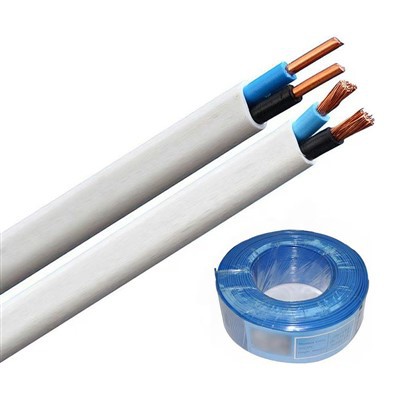
Multi conductor control cables are used in a variety of applications, such as industrial automation and building control systems. These cables contain multiple conductors, which can make grounding more complex. Multi Conductor Control Cable needs to be grounded to ensure proper signal integrity and to protect against electrical interference.
In a multi conductor control cable, each conductor may need to be grounded separately or in a specific configuration. This depends on the application and the electrical requirements of the system. For example, in some cases, a shielded multi conductor control cable may be used, and the shield should be grounded at both ends to provide effective protection against electromagnetic interference.
Grounding Methods and Best Practices
Now that we've looked at the different types of control cables and their grounding requirements, let's talk about some grounding methods and best practices.
Grounding Conductors
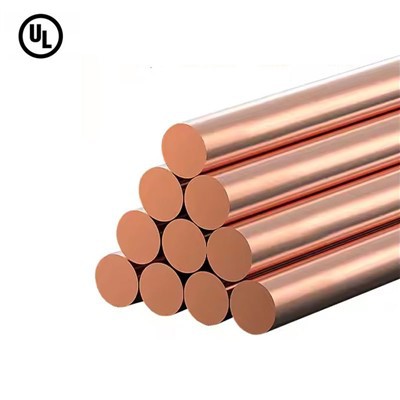
The grounding conductor is an essential part of the grounding system. It should be made of a material with good electrical conductivity, such as copper. The size of the grounding conductor depends on the expected fault current and the length of the cable.
In general, the grounding conductor should be at least as large as the smallest phase conductor in the cable. This ensures that it can carry the fault current safely to the ground without overheating.
Grounding Electrodes
Grounding electrodes are used to connect the grounding conductor to the earth. Common types of grounding electrodes include ground rods, ground plates, and water pipes.
Ground rods are the most commonly used grounding electrodes. They are typically made of copper or galvanized steel and are driven into the ground to a depth of at least 8 feet. The ground rod should be connected to the grounding conductor using a proper grounding clamp.
Bonding
Bonding is the process of connecting all metal parts of an electrical system together to ensure that they are at the same electrical potential. This helps to prevent electrical shocks and to reduce electrical interference.
In a control cable system, all metal enclosures, conduits, and equipment should be bonded together. This can be done using bonding jumpers or by connecting them to a common grounding bus.
Local Electrical Codes and Regulations
It's important to note that the grounding requirements for control cables may vary depending on the local electrical codes and regulations. These codes are designed to ensure the safety of electrical systems and to prevent electrical fires and other hazards.
Before installing a control cable system, it's essential to consult the local electrical codes and regulations to ensure that the grounding system meets the requirements. Failure to comply with these codes can result in fines, legal liability, and safety hazards.
Conclusion
In conclusion, grounding is a critical aspect of control cable installation. It helps to ensure the safety of people and equipment, reduces electrical interference, and protects against electrical faults.
As a control cable supplier, I can provide you with high-quality control cables that meet the grounding requirements for your specific application. Whether you need Irrigation Control Cable, Motor Control Cable, or Multi Conductor Control Cable, I've got you covered.
If you're interested in purchasing control cables or have any questions about grounding requirements, don't hesitate to get in touch. I'm here to help you find the right solution for your needs.
References
- National Electrical Code (NEC)
- IEEE Standards for Electrical Safety
- Manufacturer's Specifications for Control Cables