As a control cable supplier, I often receive inquiries from customers about the impedance of control cables. Understanding the impedance of control cables is crucial for ensuring the proper functioning of electrical systems. In this blog post, I will delve into what the impedance of a control cable is, why it matters, and how it can impact your electrical applications.
What is Impedance?
Impedance is a measure of the opposition that a circuit presents to the flow of alternating current (AC). It is a complex quantity that combines resistance, inductance, and capacitance. Resistance is the opposition to the flow of current in a DC circuit, while inductance and capacitance come into play in AC circuits. Inductance is the property of a conductor by which a change in current flowing through it induces an electromotive force (EMF) in both the conductor itself and in any nearby conductors. Capacitance is the ability of a system to store an electric charge.


In the context of control cables, impedance is an important characteristic that affects the performance of the cable. It determines how well the cable can transmit electrical signals without significant loss or distortion. A cable with the right impedance will ensure that the signals sent through it reach their destination accurately and efficiently.
Factors Affecting the Impedance of a Control Cable
Several factors can influence the impedance of a control cable. These include:
- Conductor Material and Size: The material and size of the conductors in the cable play a significant role in determining its impedance. Different materials have different electrical properties, and a larger conductor size generally results in lower resistance and, therefore, lower impedance.
- Insulation Material and Thickness: The insulation material used in the cable and its thickness can also affect the impedance. Insulation materials with high dielectric constants can increase the capacitance of the cable, which in turn can affect the impedance.
- Cable Geometry: The physical layout of the cable, such as the spacing between conductors and the way they are twisted, can impact the inductance and capacitance of the cable, and thus its impedance.
- Frequency: The impedance of a control cable can vary with the frequency of the electrical signal being transmitted. At higher frequencies, the effects of inductance and capacitance become more pronounced, which can cause the impedance to change.
Why Does the Impedance of a Control Cable Matter?
The impedance of a control cable is important for several reasons:
- Signal Transmission: A cable with the correct impedance ensures that electrical signals are transmitted without significant loss or distortion. This is crucial for applications where accurate signal transmission is required, such as in control systems and automation.
- Matching with Equipment: Control cables need to be matched to the impedance of the equipment they are connected to. If the impedance of the cable does not match the impedance of the equipment, it can lead to signal reflections, which can cause interference and reduce the performance of the system.
- Power Transfer: The impedance of a control cable can also affect the power transfer efficiency. A cable with low impedance will allow for more efficient power transfer, which can reduce energy losses and improve the overall performance of the system.
Measuring the Impedance of a Control Cable
Measuring the impedance of a control cable can be a complex process. It typically involves using specialized equipment, such as a network analyzer or an impedance analyzer. These instruments can measure the impedance of the cable at different frequencies and provide detailed information about its electrical characteristics.
When measuring the impedance of a control cable, it is important to ensure that the cable is properly terminated and that the measurement is taken under the appropriate conditions. This will ensure that the measurement is accurate and reliable.
Choosing the Right Control Cable Based on Impedance
When selecting a control cable for your application, it is important to consider the impedance requirements. Different applications may have different impedance requirements, and choosing the right cable can ensure that the system operates efficiently and effectively.
For example, if you are working on a high-speed data transmission application, you may need a cable with a low impedance to minimize signal loss and distortion. On the other hand, if you are working on a power transmission application, you may need a cable with a higher impedance to ensure efficient power transfer.
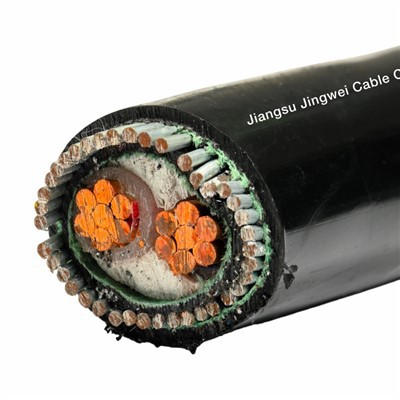
As a control cable supplier, we offer a wide range of products that are designed to meet different impedance requirements. Our Multi Conductor Control Cable is a popular choice for applications that require multiple conductors. It is available in different sizes and configurations to meet the specific needs of your project.
Our Multi Core Electrical Cable is another option that is suitable for applications that require multiple cores. It is designed to provide reliable performance and is available in different insulation materials and colors.
In addition, our Electrical Control Cable is a versatile product that can be used in a variety of applications. It is available in different voltage ratings and is designed to meet the highest quality standards.
Conclusion
The impedance of a control cable is an important characteristic that can affect the performance of electrical systems. Understanding the factors that affect impedance and choosing the right cable based on impedance requirements can ensure that your system operates efficiently and effectively.
If you have any questions about the impedance of control cables or need help selecting the right cable for your application, please do not hesitate to contact us. We are a leading control cable supplier and have the expertise and experience to provide you with the best solutions for your needs. Our team of professionals is ready to assist you with your procurement and help you find the perfect control cable for your project. Reach out to us today to start the conversation and explore the possibilities for your electrical applications.