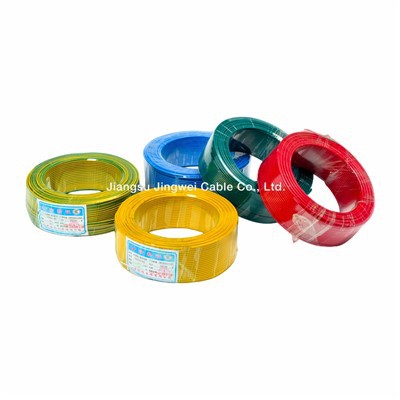
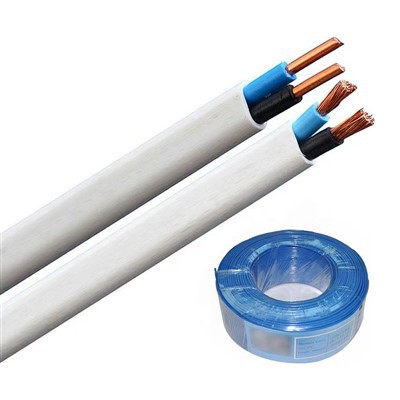
As a supplier of Unarmoured Power Cable, I've witnessed firsthand the critical role these cables play in various electrical systems. In this blog, we'll delve into the surge - protection requirements for unarmoured power cables, exploring why they are essential and how to meet them.
Understanding Unarmoured Power Cables
Unarmoured power cables, as the name suggests, lack the protective metal sheath found in armoured cables. They are commonly used in indoor applications, such as in buildings, offices, and industrial facilities where the risk of physical damage is relatively low. The Unarmoured Power Cable is known for its flexibility, ease of installation, and cost - effectiveness. However, their lack of armour makes them more vulnerable to electrical surges.
What are Electrical Surges?
Electrical surges are sudden increases in voltage that can occur in an electrical system. These surges can be caused by a variety of factors, including lightning strikes, power grid switching, and the operation of large electrical equipment. When a surge occurs, it can cause significant damage to electrical equipment, including unarmoured power cables.
Lightning strikes are one of the most common causes of electrical surges. When lightning hits a power line or a nearby object, it can send a massive amount of electrical energy into the power grid. This energy can travel through the cables and cause damage to the insulation, conductors, and other components of the unarmoured power cable.
Power grid switching, such as when a large power plant is connected or disconnected from the grid, can also cause surges. These surges are typically smaller than those caused by lightning but can still be harmful to unarmoured power cables over time.
Surge - Protection Requirements for Unarmoured Power Cables
The surge - protection requirements for unarmoured power cables depend on several factors, including the location of the cable, the type of electrical system it is part of, and the potential sources of surges.
Location
If the unarmoured power cable is installed in an area prone to lightning strikes, such as an open field or a tall building, it will require more robust surge protection. In these cases, surge arresters or lightning rods may be necessary to divert the electrical energy from the cable.
Type of Electrical System
In a high - voltage electrical system, the surge - protection requirements are more stringent. High - voltage surges can cause more severe damage to the cable, so additional protection measures, such as surge - protection devices (SPDs), are often required. SPDs are designed to detect and divert excess voltage to the ground, protecting the cable and the connected equipment.
Potential Sources of Surges
If the cable is connected to equipment that generates surges, such as large motors or transformers, it will need appropriate surge protection. For example, a motor starting or stopping can cause a voltage spike, which can damage the cable. In these cases, surge suppressors can be installed to reduce the impact of these surges.
Surge - Protection Devices for Unarmoured Power Cables
There are several types of surge - protection devices available for unarmoured power cables.
Surge Arresters
Surge arresters are one of the most common types of surge - protection devices. They are typically installed at the point where the power cable enters a building or a piece of equipment. Surge arresters work by diverting the excess voltage to the ground when a surge occurs. They are designed to handle high - energy surges and can protect the cable from damage.
Surge Suppressors
Surge suppressors are another type of surge - protection device. They are often used in low - voltage electrical systems and can be installed at the outlet or on the equipment itself. Surge suppressors work by reducing the voltage of the surge to a safe level, protecting the cable and the connected equipment.
Lightning Rods
Lightning rods are used to protect buildings and electrical systems from lightning strikes. They are installed on the roof of a building and are connected to the ground. When lightning strikes the lightning rod, the electrical energy is diverted to the ground, protecting the unarmoured power cable and other electrical equipment in the building.
Installation and Maintenance of Surge - Protection Devices
Proper installation and maintenance of surge - protection devices are crucial to ensure their effectiveness. When installing surge - protection devices, it is important to follow the manufacturer's instructions and local electrical codes. The devices should be installed in a location where they can easily detect and divert surges.


Regular maintenance of surge - protection devices is also necessary. This includes checking the devices for damage, testing their functionality, and replacing them if they are no longer working properly.
The Role of Aluminium Alloy Cable in Surge Protection
Aluminium alloy cables, such as the Aluminium Alloy Cable, can play a role in surge protection. Aluminium alloy cables have good electrical conductivity and are relatively lightweight. They can help to reduce the impact of surges by providing a low - resistance path for the electrical current.
In some cases, aluminium alloy cables can be used in combination with surge - protection devices to provide enhanced protection against surges. For example, an aluminium alloy cable can be used to connect a surge arrester to the ground, ensuring that the excess voltage is safely diverted.
The Importance of Electrical Power Wire in Surge - Protected Systems
Electrical power wires, like the Electrical Power Wire, are an integral part of any electrical system. They carry the electrical current from the power source to the connected equipment. In a surge - protected system, the electrical power wire must be able to withstand the surges without being damaged.
The choice of electrical power wire is important. Wires with proper insulation and conductor size are essential to ensure that they can handle the electrical load and the potential surges. Additionally, the wire should be installed correctly to minimize the risk of surge - related damage.
Conclusion
Surge protection is a critical aspect of using unarmoured power cables. As a supplier, I understand the importance of providing customers with cables that are protected against surges. By understanding the surge - protection requirements, choosing the right surge - protection devices, and ensuring proper installation and maintenance, we can help our customers avoid costly damage to their electrical systems.
If you are in the market for unarmoured power cables or need advice on surge protection, we are here to help. Our team of experts can provide you with the information and products you need to ensure a safe and reliable electrical system. Contact us to start a procurement discussion and find the best solutions for your needs.
References
- IEEE Standard for Surge Protective Devices for Low - Voltage AC Power Circuits
- National Electrical Code (NEC)
- Manufacturer's specifications for surge - protection devices and unarmoured power cables