Yo, what's up everyone! I'm a supplier of Single Solid Wire, and today I wanna have a chat about whether single solid wire is suitable for outdoor use. It's a question I get asked a lot, so let's dig into it.
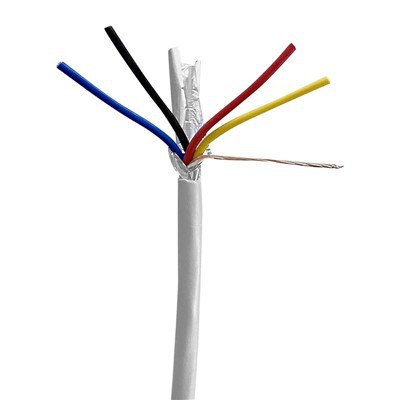
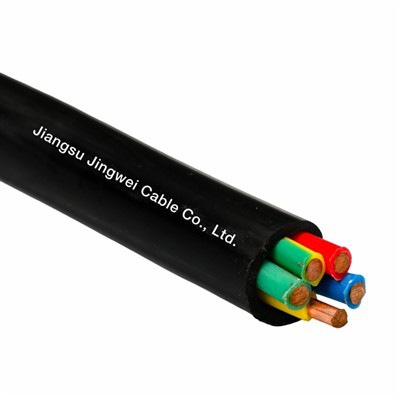
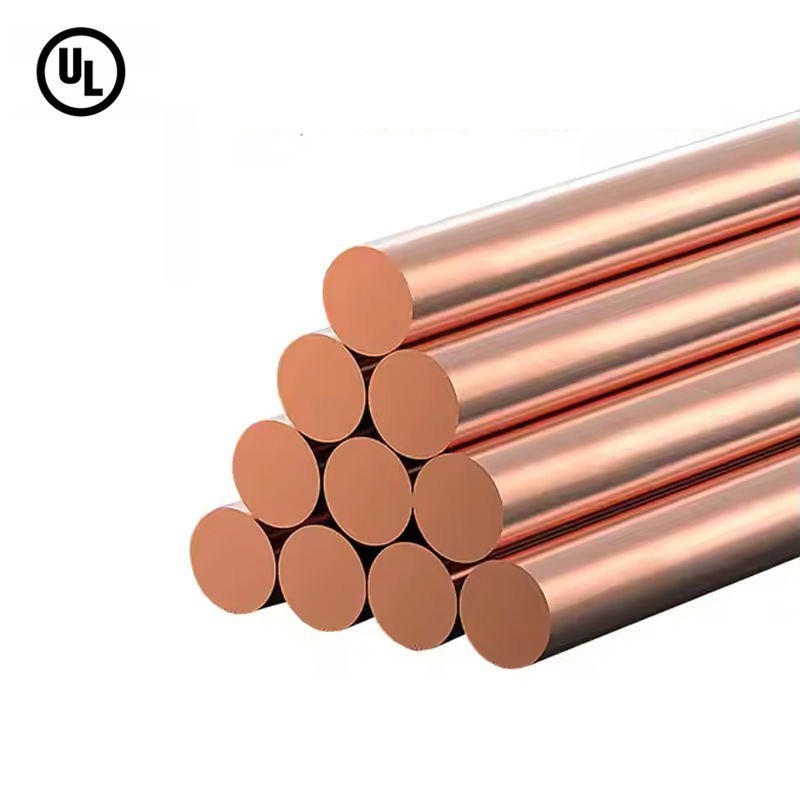
First off, let's talk about what single solid wire is. Single solid wire is exactly what it sounds like – a single, solid piece of conductive material, usually copper or aluminum. It's different from Flexible Stranded Wire, which is made up of multiple smaller wires twisted together.
Now, when it comes to outdoor use, there are a few factors we need to consider. One of the biggest things is the environment. Outdoors, wires are exposed to all kinds of weather conditions – rain, snow, heat, and cold. This can take a toll on the wire over time.
Single solid wire has some advantages when it comes to outdoor use. For one, it's pretty durable. Since it's a single, solid piece, it's less likely to break or fray compared to stranded wire. This makes it a good choice for applications where the wire needs to be able to withstand some physical stress.
Another advantage is that single solid wire has lower resistance than stranded wire. This means that it can carry more current with less loss of energy. In outdoor applications where you might be running long distances of wire, this can be a big deal.
However, there are also some drawbacks to using single solid wire outdoors. One of the main issues is its lack of flexibility. Unlike Stranded Electrical Cable, single solid wire is pretty rigid. This can make it difficult to install in tight spaces or around corners.
Another problem is that single solid wire is more susceptible to damage from vibration and movement. Outdoors, things like wind and traffic can cause the wire to move around, and over time, this can lead to cracks or breaks in the wire.
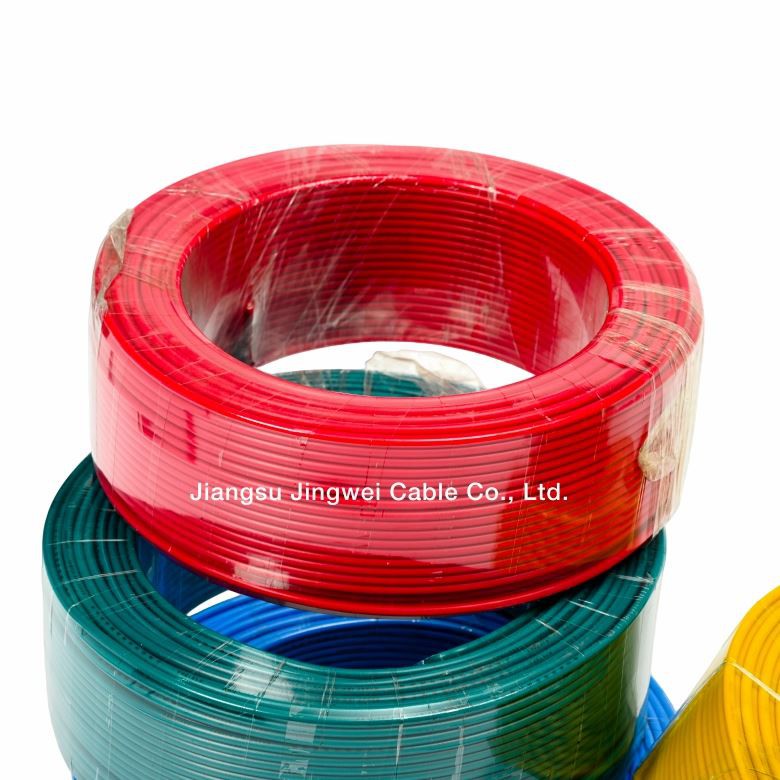
So, is single solid wire suitable for outdoor use? Well, it depends on the specific application. If you're looking for a wire that can handle physical stress and carry a lot of current, single solid wire might be a good choice. But if you need a wire that's more flexible and can withstand vibration, you might want to consider Flexible Stranded Wire instead.
Let's take a look at some common outdoor applications and see how single solid wire stacks up.
1. Outdoor Lighting
Outdoor lighting is a popular application for single solid wire. Since the wire is usually buried underground or run along the side of a building, it doesn't need to be very flexible. And because outdoor lighting doesn't require a lot of current, the lower resistance of single solid wire isn't as big of a factor.
However, if you're installing a lot of lights or running the wire over a long distance, you might want to consider using a larger gauge wire to reduce the risk of voltage drop.
2. Solar Panels
Solar panels are another common outdoor application. Single solid wire can be a good choice for connecting the panels to the inverter, as it can handle the high current generated by the panels. However, you need to make sure that the wire is rated for outdoor use and is protected from the elements.
3. Fencing
Single solid wire is often used for electric fencing. It's strong enough to withstand the tension of the fence and can carry the electrical current needed to keep the fence charged. However, you need to make sure that the wire is properly insulated to prevent shocks.
In conclusion, single solid wire can be a suitable choice for outdoor use in certain applications. But it's important to consider the specific requirements of your project and choose the right type of wire for the job.
If you're in the market for single solid wire or have any questions about its suitability for outdoor use, feel free to reach out. I'm here to help you make the right decision for your project.
References
- Electrical Wiring Handbook
- National Electrical Code
That's all for today, folks! Catch you later.