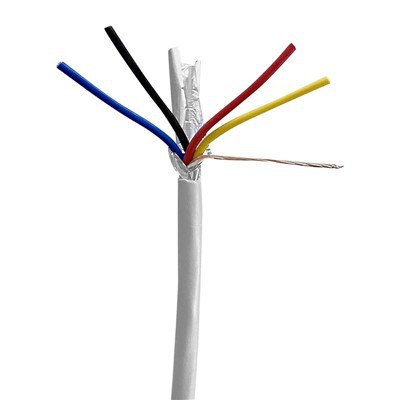
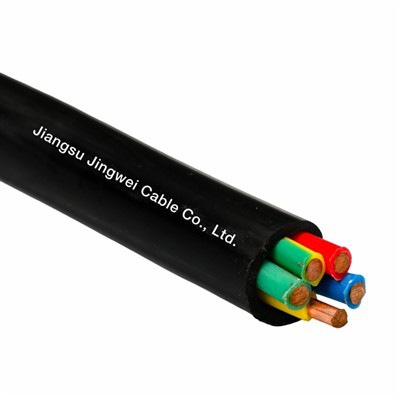
Can tinned stranded copper be used in audio equipment? This is a question that often comes up among audio enthusiasts and professionals. As a supplier of tinned stranded copper, I am well - versed in the properties and applications of this material, and I'm here to provide a detailed analysis.
Understanding Tinned Stranded Copper
Tinned stranded copper consists of multiple thin copper strands that are coated with a layer of tin. The tin coating serves several purposes. Firstly, it protects the copper from oxidation, which can degrade the electrical conductivity over time. Oxidation can form a resistive layer on the surface of the copper, leading to signal loss and interference. The tin coating acts as a barrier, extending the lifespan of the wire and maintaining its electrical performance.
Secondly, the tin coating improves the solderability of the wire. In audio equipment, proper soldering is crucial for ensuring reliable electrical connections. The tin layer allows for easier and more secure soldering, reducing the risk of loose connections that could cause audio distortion or dropouts.
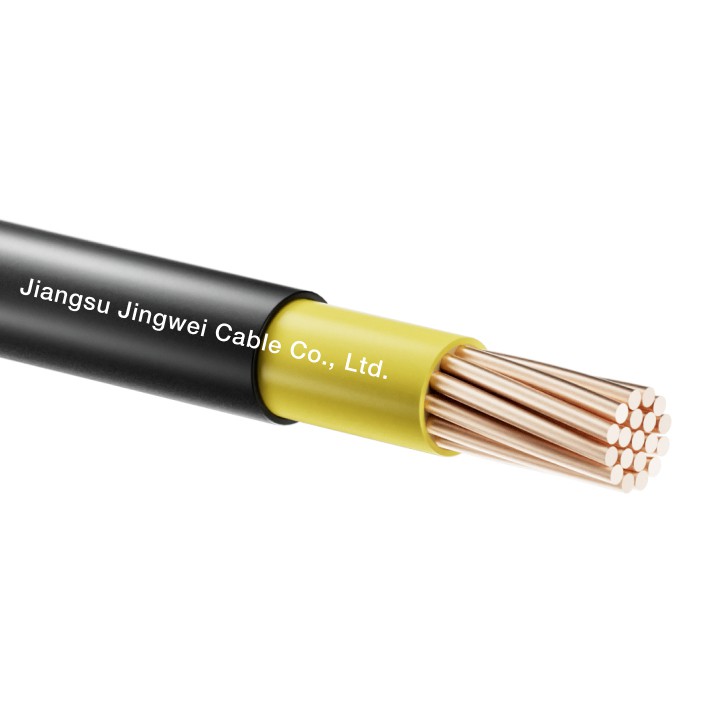
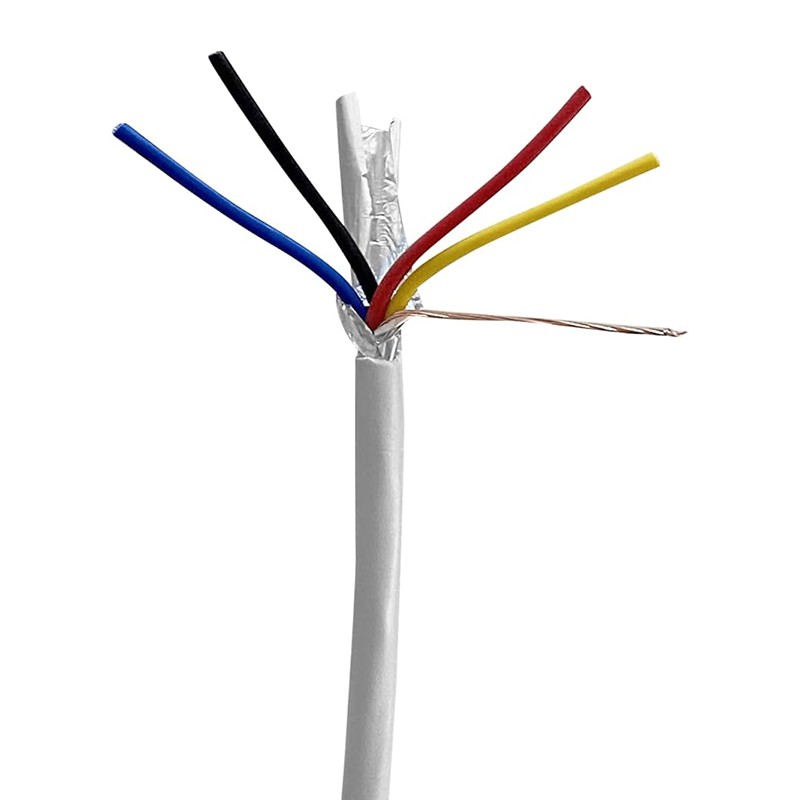
Properties of Tinned Stranded Copper Relevant to Audio
When it comes to audio applications, several properties of tinned stranded copper make it a potentially suitable choice.
Flexibility
One of the significant advantages of stranded wire is its flexibility. In audio equipment, wires often need to be bent and routed through tight spaces. Tinned stranded copper can be easily maneuvered without breaking, making it ideal for use in cables that need to be flexible, such as speaker cables or patch cords. This flexibility also reduces the stress on the wire during installation and movement, which can help prevent damage to the conductor.
Electrical Conductivity
Copper is well - known for its excellent electrical conductivity. While the tin coating adds a thin layer on the surface, it does not significantly reduce the overall conductivity of the copper. In fact, the tin can enhance the surface conductivity in some cases. Good electrical conductivity is essential for transmitting audio signals with minimal loss. Audio signals are often low - voltage and can be easily affected by resistance in the wire. With tinned stranded copper, the low resistance ensures that the audio signal can travel efficiently from the source to the speaker or other audio components.
Signal Transmission
Tinned stranded copper is capable of transmitting a wide range of frequencies, which is crucial for high - quality audio reproduction. Audio signals consist of a spectrum of frequencies, from the low - frequency bass tones to the high - frequency treble. The ability of tinned stranded copper to handle this wide frequency range means that it can accurately convey the full audio spectrum without significant distortion.
Advantages of Using Tinned Stranded Copper in Audio Equipment
Reduced Interference
In an audio system, interference can cause unwanted noise and distortion. Tinned stranded copper can help reduce electromagnetic interference (EMI) and radio - frequency interference (RFI). The multiple strands in the wire can act as a shield to some extent, reducing the impact of external electromagnetic fields on the audio signal. This is particularly important in environments where there are a lot of electronic devices that can generate interference, such as in a recording studio or a home theater setup.
Durability
Audio equipment is often subject to regular use and movement. Tinned stranded copper is more durable than solid copper wire in many cases. The multiple strands distribute stress more evenly, making it less likely to break under bending or stretching. This durability ensures that the audio cables can last for a long time, reducing the need for frequent replacements.
Considerations and Limitations
While tinned stranded copper has many advantages for audio applications, there are also some considerations.
Cost
Tinned stranded copper is generally more expensive than bare copper or solid conductor wiring. The process of tinning the copper strands and the additional manufacturing steps involved in creating stranded wire contribute to the higher cost. However, for high - end audio equipment where quality is of the utmost importance, the additional cost may be justified.
Skin Effect
At high frequencies, the skin effect can become a factor. The skin effect causes the current to flow mainly on the outer surface of the conductor. In tinned stranded copper, the tin coating and the multiple strands can affect the skin effect. While this is usually not a significant issue for most audio applications, in very high - frequency audio systems or in applications where extremely precise signal transmission is required, it may need to be considered.
Comparison with Other Types of Conductors
Solid Conductor Wiring
Solid conductor wiring, as described on Solid Conductor Wiring, has its own set of advantages and disadvantages. Solid conductors are generally more rigid and less flexible than stranded conductors. They are also more prone to breakage when bent repeatedly. However, solid conductors can have lower resistance in some cases, especially for low - frequency applications. In audio equipment, solid conductors may be used in situations where the wire does not need to be flexible, such as in fixed - installation audio systems.
Copper Bare Conductor
Copper Bare Conductor lacks the tin coating of tinned stranded copper. While bare copper has excellent electrical conductivity, it is more susceptible to oxidation. Oxidation can lead to increased resistance and signal degradation over time. In audio applications, this can result in a loss of audio quality. Tinned stranded copper, with its protective tin coating, offers better long - term performance in terms of preventing oxidation.
Stranded Electrical Cable
Stranded Electrical Cable is similar to tinned stranded copper in terms of flexibility. However, not all stranded cables are tinned. Tinned stranded copper has the added advantage of protection against oxidation and improved solderability. In audio equipment, these features can make a significant difference in the overall performance and reliability of the cables.
Conclusion
In conclusion, tinned stranded copper can be an excellent choice for use in audio equipment. Its flexibility, good electrical conductivity, ability to reduce interference, and durability make it well - suited for a variety of audio applications. While there are some considerations such as cost and the potential impact of the skin effect, for most audio systems, the benefits outweigh the drawbacks.
If you are in the market for high - quality tinned stranded copper for your audio equipment, I invite you to contact me for further discussion. We can explore how our products can meet your specific needs and requirements. Whether you are a professional audio engineer, a hobbyist building your own audio system, or a manufacturer of audio equipment, we are here to provide you with the best solutions.
References
- General knowledge of electrical engineering and audio technology.
- Research on the properties of tinned stranded copper and its applications in audio.