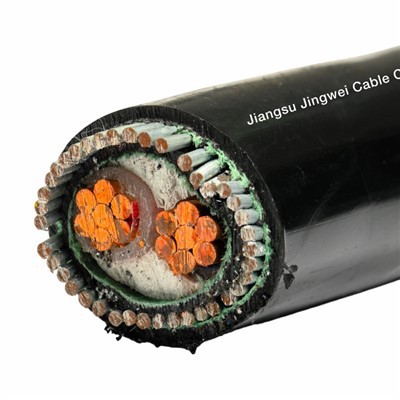
When it comes to electrical power transmission, Twin Power Cables play a crucial role in various applications, ranging from industrial setups to residential buildings. As a supplier of Twin Power Cables, I am often asked about the typical lengths available in the market. In this blog post, I will delve into the topic and provide you with comprehensive information regarding the lengths of Twin Power Cables.
Standard Lengths of Twin Power Cables
Twin Power Cables are commonly available in a range of standard lengths to meet the diverse needs of different projects. The most common lengths typically range from 100 meters to 1000 meters. These standard lengths are designed to accommodate various installation requirements, whether it's a small-scale residential project or a large industrial installation.
For smaller projects, such as home wiring or small workshops, shorter lengths of Twin Power Cables, around 100 to 200 meters, are often sufficient. These shorter lengths are easier to handle and install, making them ideal for DIY projects or small-scale electrical work.
On the other hand, for larger industrial projects, longer lengths of Twin Power Cables are required. Lengths of 500 meters or more are commonly used in industrial settings, such as factories, power plants, and commercial buildings. These longer lengths reduce the number of joints required, minimizing the risk of electrical faults and improving the overall reliability of the electrical system.
Custom Lengths
In addition to the standard lengths, many Twin Power Cable suppliers, including ourselves, offer custom lengths to meet specific project requirements. Custom lengths can be tailored to the exact specifications of the project, ensuring that the cable fits perfectly and minimizes waste.
Custom lengths are particularly useful in projects where the distance between electrical components is not a standard multiple of the available cable lengths. For example, if a project requires a cable length of 350 meters, a custom length can be manufactured to meet this exact requirement.
Factors Affecting Cable Length
Several factors can influence the choice of cable length for a particular project. These factors include:
- Project Size: The size of the project is one of the primary factors that determine the required cable length. Larger projects typically require longer cables to connect various electrical components.
- Installation Location: The location of the installation can also affect the cable length. For example, if the installation is in a remote area or a difficult-to-reach location, longer cables may be required to reach the electrical components.
- Electrical Load: The electrical load of the project is another important factor to consider. Higher electrical loads require thicker cables, which may limit the maximum length of the cable due to voltage drop considerations.
- Safety Regulations: Safety regulations and standards also play a role in determining the cable length. In some cases, regulations may require a certain minimum or maximum cable length to ensure the safety of the electrical system.
Importance of Choosing the Right Cable Length
Choosing the right cable length is crucial for the efficient and safe operation of the electrical system. Using a cable that is too short can result in the need for additional joints, which can increase the risk of electrical faults and reduce the overall reliability of the system. On the other hand, using a cable that is too long can lead to excessive voltage drop, which can affect the performance of the electrical equipment.
To ensure the proper selection of cable length, it is important to consult with a qualified electrical engineer or a cable supplier. They can provide expert advice based on the specific requirements of the project and help you choose the right cable length for your needs.
Other Types of Power Cables
In addition to Twin Power Cables, there are other types of power cables available in the market, each with its own unique features and applications. Some of the common types of power cables include Unarmoured Power Cable and Aluminium Alloy Cable.
Unarmoured Power Cables are designed for use in applications where mechanical protection is not required. They are typically used in indoor installations, such as residential buildings and commercial offices.
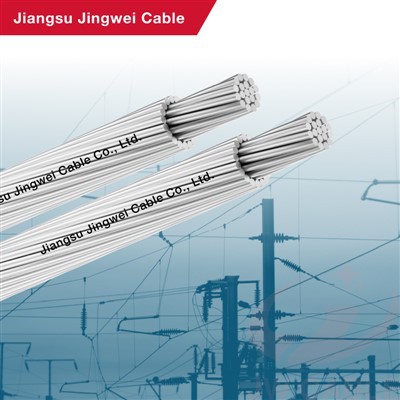
Aluminium Alloy Cables are a popular alternative to copper cables due to their lower cost and lighter weight. They are commonly used in industrial applications, such as power distribution and transmission.
Conclusion
In conclusion, the length of Twin Power Cables usually available ranges from 100 meters to 1000 meters, with custom lengths also available to meet specific project requirements. Choosing the right cable length is crucial for the efficient and safe operation of the electrical system. By considering factors such as project size, installation location, electrical load, and safety regulations, you can ensure that you select the right cable length for your needs.
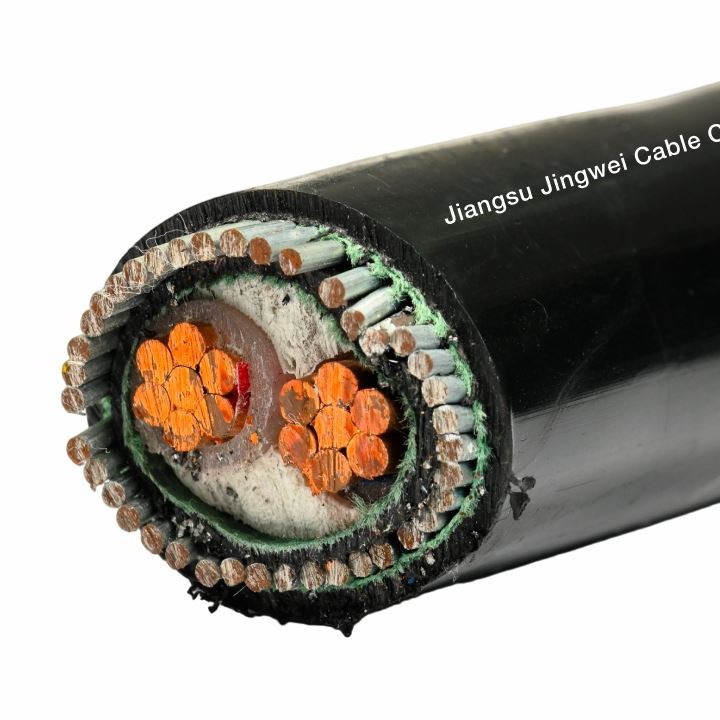

If you are in need of Twin Power Cables or any other type of power cable, please feel free to contact us. Our team of experts is ready to assist you with your cable requirements and provide you with the best solutions for your project.
References
- Electrical Installation Handbook, Schneider Electric
- National Electrical Code (NEC)