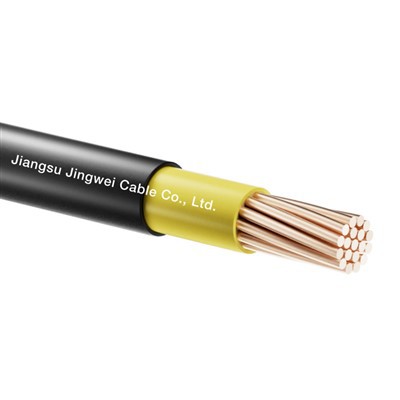
Can aluminum overhead cable be used in industrial areas? This is a question that many industrial operators and electrical engineers often ask. As a supplier of Aluminum Overhead Cables, I'd like to share some insights on this topic.
The Advantages of Aluminum Overhead Cables in Industrial Areas
1. Lightweight and Cost - Effective
Aluminum is a lightweight metal. Compared to copper, which is another common material for overhead cables, aluminum has a lower density. This makes aluminum overhead cables easier to install, especially in large - scale industrial areas where long - distance cable laying is required. The lower weight also reduces the load on supporting structures, such as poles and towers, which can lead to cost savings in infrastructure construction.
The cost of aluminum is generally lower than that of copper. In industrial applications where large amounts of cable are needed, using aluminum overhead cables can significantly reduce the overall material cost. This cost - effectiveness makes it an attractive option for industrial projects with budget constraints.
2. Good Conductivity
Although aluminum has a lower conductivity than copper, it still has sufficient electrical conductivity for most industrial applications. With proper design and sizing, aluminum overhead cables can efficiently transmit electrical power. In modern industrial areas, where power demand is high but not extremely high - voltage in all cases, aluminum cables can meet the requirements. For example, in medium - voltage distribution systems within industrial parks, aluminum overhead cables can effectively carry the required electrical current.
3. Corrosion Resistance
Aluminum forms a thin oxide layer on its surface when exposed to air. This oxide layer acts as a protective barrier, preventing further corrosion of the aluminum. In industrial areas, where there may be various pollutants and harsh environmental conditions, the corrosion resistance of aluminum overhead cables is an important advantage. It can ensure the long - term stability and reliability of the power transmission system, reducing the need for frequent cable replacement and maintenance.
4. High Tensile Strength
Aluminum alloys used in overhead cables have relatively high tensile strength. This allows the cables to withstand the mechanical stresses caused by wind, ice, and the weight of the cable itself. In industrial areas, where there may be strong winds or other environmental factors, the high tensile strength of aluminum overhead cables ensures their durability and safety.
Applications in Industrial Areas
1. Power Distribution
Aluminum overhead cables are widely used for power distribution in industrial areas. They can be used to connect power generation facilities, such as substations, to various industrial plants. For example, in a large industrial park, aluminum overhead cables can be used to distribute electricity from the main substation to different factories, workshops, and warehouses. The ability to cover long distances with relatively low - cost cables makes them suitable for this type of application.
2. Mining and Heavy Industry
In mining and heavy - industry areas, where there is a high demand for electrical power, aluminum overhead cables can play an important role. These industries often have large - scale operations and require reliable power supply. Aluminum overhead cables can be used to power mining equipment, such as crushers, conveyors, and hoists. Their lightweight and corrosion - resistant properties make them suitable for the harsh environments found in mines, where there may be dust, moisture, and chemical substances.


3. Factories and Manufacturing Plants
In factories and manufacturing plants, aluminum overhead cables can be used for internal power distribution. They can connect different production lines, machinery, and equipment to the power source. The flexibility and cost - effectiveness of aluminum cables make them a practical choice for these applications. For example, in an automotive manufacturing plant, aluminum overhead cables can be used to power assembly lines, robotic systems, and other electrical equipment.
Considerations for Using Aluminum Overhead Cables in Industrial Areas
1. Temperature and Load Requirements
Industrial areas often have high - power equipment that generates a significant amount of heat. Aluminum overhead cables need to be able to withstand the temperature rise caused by the electrical current. When selecting aluminum overhead cables, it is necessary to consider the maximum operating temperature and the load capacity. Proper cable sizing is crucial to ensure that the cables can handle the electrical load without overheating.
2. Compatibility with Other Components
In an industrial power system, aluminum overhead cables need to be compatible with other components, such as transformers, switches, and connectors. Special attention should be paid to the connection between aluminum cables and other materials. For example, when connecting aluminum cables to copper components, proper connectors and anti - corrosion measures should be used to prevent galvanic corrosion.
3. Environmental Conditions
Industrial areas may have different environmental conditions, such as high humidity, chemical pollution, and extreme temperatures. Aluminum overhead cables need to be able to withstand these conditions. For example, in areas with high humidity, the cables should have good moisture - resistant properties. In areas with chemical pollution, the cables should be resistant to chemical corrosion.
Our Products and Services
As a supplier of Aluminum Overhead Cables, we offer a wide range of products to meet the diverse needs of industrial areas. Our Overhead Messenger Cable is designed to provide reliable support for the main power - carrying cables. It has high tensile strength and good corrosion resistance, making it suitable for long - span applications in industrial areas.
Our Aluminium Overhead Line Conductor is made of high - quality aluminum alloys, which have excellent electrical conductivity and mechanical properties. It can be used for power transmission and distribution in industrial areas, ensuring efficient and reliable power supply.
We also provide Overhead Aluminum Wire, which is flexible and easy to install. It is suitable for various industrial applications, such as internal power distribution in factories and workshops.
We have a professional technical team that can provide technical support and advice to our customers. We can help customers select the most suitable aluminum overhead cables according to their specific requirements, including load capacity, environmental conditions, and installation requirements.
Conclusion
In conclusion, aluminum overhead cables can be effectively used in industrial areas. Their lightweight, cost - effectiveness, good conductivity, corrosion resistance, and high tensile strength make them a viable option for power distribution and other applications in industrial settings. However, it is important to consider factors such as temperature, load requirements, compatibility with other components, and environmental conditions when using aluminum overhead cables.
If you are interested in our Aluminum Overhead Cables and would like to discuss your specific needs, please feel free to contact us for a detailed consultation. We are committed to providing high - quality products and services to meet your industrial power needs.
References
- IEEE Standard for Overhead Electrical Transmission and Distribution Line Structural Design, IEEE Std 1282 - 2012
- National Electrical Code (NEC), NFPA 70
- Aluminum Association, Technical Papers on Aluminum Cables for Electrical Applications