What is the resistance of overhead cables?
As a supplier of overhead cables, I often encounter questions from customers about the resistance of these cables. Understanding the resistance of overhead cables is crucial for ensuring the efficient and safe transmission of electrical power. In this blog post, I will delve into the concept of resistance in overhead cables, factors that affect it, and its implications for power distribution.
Understanding Resistance in Overhead Cables
Resistance is a fundamental property of any electrical conductor, including overhead cables. It is a measure of how much a material opposes the flow of electric current. According to Ohm's Law, the relationship between voltage (V), current (I), and resistance (R) is given by the formula V = IR. This means that for a given voltage, a higher resistance will result in a lower current flow.


In the context of overhead cables, resistance plays a significant role in determining the efficiency of power transmission. When current flows through a cable, some of the electrical energy is converted into heat due to the resistance of the cable. This is known as power loss, and it is proportional to the square of the current and the resistance of the cable (P = I²R). Therefore, minimizing the resistance of overhead cables is essential for reducing power losses and improving the overall efficiency of the power grid.
Factors Affecting the Resistance of Overhead Cables
Several factors influence the resistance of overhead cables. Let's take a closer look at some of the most important ones:
Material
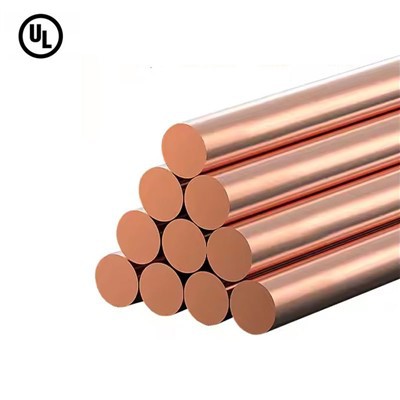
The material used to make the cable is one of the primary factors affecting its resistance. Different materials have different electrical conductivities, which determine how easily they allow the flow of electric current. Copper and aluminum are the most commonly used materials for overhead cables due to their high electrical conductivity and relatively low cost. Copper has a higher conductivity than aluminum, which means that copper cables have lower resistance for the same cross - sectional area. However, aluminum is lighter and less expensive, making it a popular choice for long - distance power transmission.
Cross - sectional Area
The cross - sectional area of the cable also has a significant impact on its resistance. According to the formula for resistance (R=\rho\frac{l}{A}), where (\rho) is the resistivity of the material, (l) is the length of the cable, and (A) is the cross - sectional area. As the cross - sectional area increases, the resistance decreases. This is because a larger cross - sectional area provides more space for the electrons to flow, reducing the opposition to the current. Therefore, cables with larger cross - sectional areas are used for high - power applications to minimize resistance and power losses.
Length
The length of the cable is directly proportional to its resistance. Longer cables have higher resistance because the electrons have to travel a greater distance, encountering more collisions with the atoms in the material along the way. This is why power transmission lines are designed to be as short as possible, especially for high - voltage transmission. In some cases, intermediate substations are used to break up long transmission lines and reduce the overall resistance.
Temperature
Temperature also affects the resistance of overhead cables. Most conductors have a positive temperature coefficient of resistance, which means that their resistance increases with an increase in temperature. When the cable heats up due to the flow of current, its resistance increases, leading to more power losses. This is why overhead cables are designed to operate within a certain temperature range, and measures are taken to dissipate heat, such as using proper ventilation and cooling systems.
Implications of Cable Resistance for Power Distribution
The resistance of overhead cables has several important implications for power distribution:
Power Losses
As mentioned earlier, power losses in overhead cables are directly related to the resistance of the cable. High resistance leads to more power being converted into heat, which is wasted energy. These power losses not only increase the cost of electricity generation but also contribute to environmental pollution. Therefore, reducing cable resistance is essential for improving the efficiency of power distribution and reducing the environmental impact of the power grid.
Voltage Drop
Resistance in overhead cables also causes a voltage drop along the length of the cable. According to Ohm's Law, the voltage drop (V = IR). A significant voltage drop can result in a decrease in the voltage at the end of the cable, which can affect the performance of electrical equipment connected to the grid. To minimize voltage drop, cables with low resistance are used, and the voltage is regulated at substations.
Safety
High resistance in overhead cables can lead to overheating, which poses a safety risk. Overheated cables can cause insulation to degrade, leading to short circuits and electrical fires. Therefore, it is important to ensure that the resistance of overhead cables is within acceptable limits to maintain the safety of the power grid.
Our Solutions as an Overhead Cable Supplier
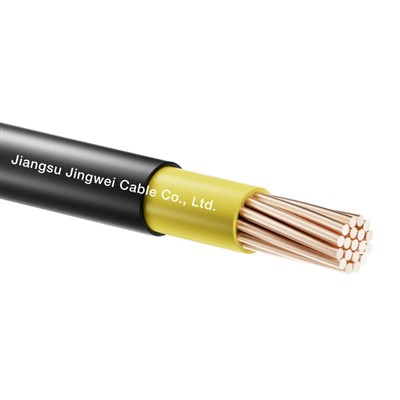
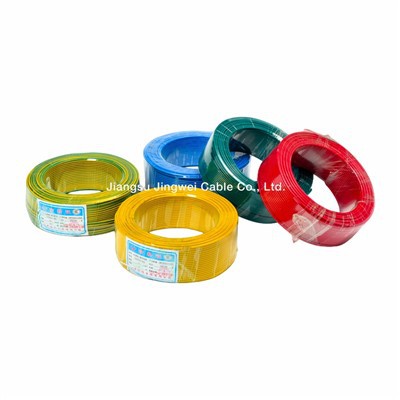
At our company, we understand the importance of low - resistance overhead cables for efficient and safe power distribution. We offer a wide range of overhead cables, including Outdoor Overhead Wire, Aerial Power Cable, and Overhead Power Lines.
Our cables are made from high - quality materials, such as copper and aluminum, to ensure low resistance and high conductivity. We also offer cables with different cross - sectional areas to meet the specific requirements of our customers. Whether you need cables for high - power transmission or low - voltage distribution, we have the right solution for you.
In addition, we use advanced manufacturing techniques to ensure the quality and reliability of our cables. Our cables are designed to withstand harsh environmental conditions, such as extreme temperatures, humidity, and UV radiation. We also conduct rigorous testing on our cables to ensure that they meet the highest industry standards.
Contact Us for Your Overhead Cable Needs
If you are looking for high - quality overhead cables with low resistance, we are here to help. Our team of experts can provide you with detailed information about our products and help you choose the right cable for your application. We are committed to providing excellent customer service and ensuring your satisfaction.
Whether you are a utility company, an industrial customer, or a contractor, we can meet your overhead cable needs. Contact us today to start a discussion about your requirements and explore how our products can benefit your power distribution system.
References
- "Electrical Power Transmission System Engineering: Analysis and Design" by Turan Gonen
- "Power System Analysis and Design" by J. Duncan Glover, Mulukutla S. Sarma, and Thomas J. Overbye
- IEEE Standards for Overhead Power Lines