Hey there! As a conductor wire supplier, I often get asked about the difference between a busbar and a conductor wire. It's a common question, and I'm here to break it down for you in a way that's easy to understand.
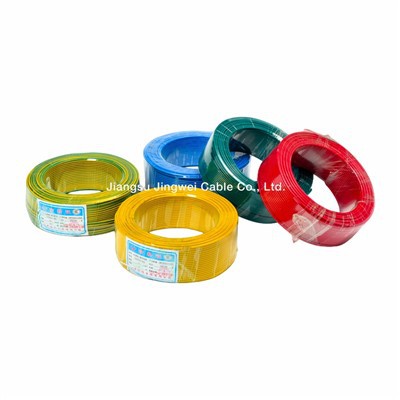
Let's start with the basics. A conductor wire is a long, thin piece of metal that's used to carry an electrical current. It can come in all sorts of shapes and sizes, and it's made from different materials like copper, aluminum, or steel. You can find conductor wires in all kinds of electrical systems, from small household appliances to large industrial machines.
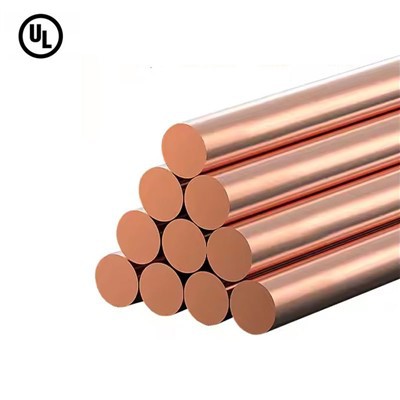
On the other hand, a busbar is a thick, flat piece of metal that's used to distribute electrical power. It's like a big highway for electricity, allowing it to flow from one place to another quickly and efficiently. Busbars are typically made from copper or aluminum, and they're used in high - current applications, such as in electrical switchgear, power distribution panels, and industrial plants.
Physical Appearance
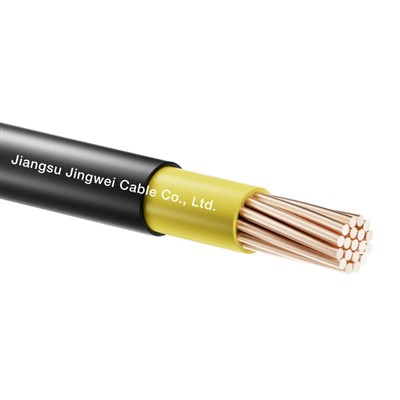
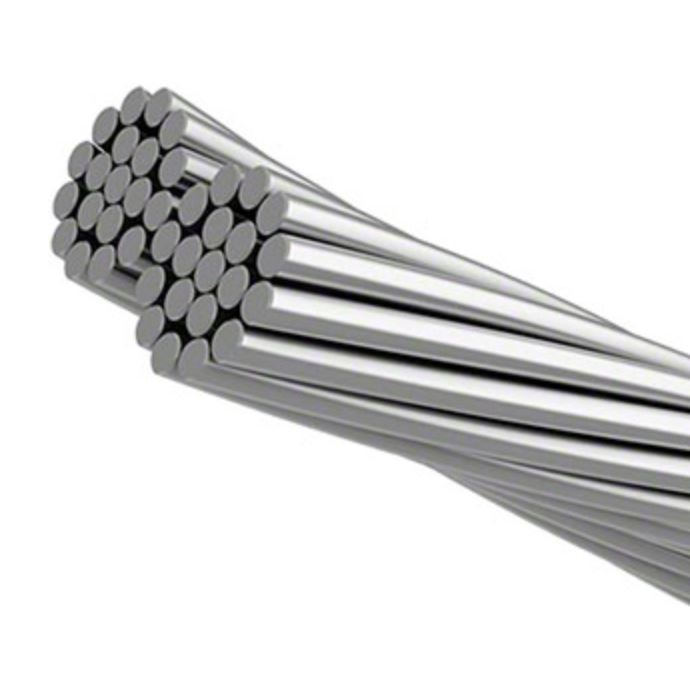
One of the most obvious differences between a busbar and a conductor wire is their physical appearance. Conductor wires are usually round or oval in cross - section, and they're relatively thin. You can have single - strand wires, which are just one solid piece of metal, or stranded wires, which are made up of multiple small strands twisted together. For example, Shielded Stranded Wire is a type of conductor wire that has an extra layer of shielding to protect against electromagnetic interference.
Busbars, on the other hand, are flat and wide. They can be rectangular, square, or even circular in shape, but they're much thicker than conductor wires. This flat design allows them to handle a large amount of current without overheating.
Current - Carrying Capacity
When it comes to current - carrying capacity, busbars have a big advantage over conductor wires. Because of their larger cross - sectional area, busbars can carry a much higher current than conductor wires of the same length. This makes them ideal for applications where a large amount of power needs to be distributed, such as in a power substation.
For instance, in a large industrial plant, you might have a busbar system that can carry thousands of amperes of current. In contrast, a conductor wire might only be able to carry a few amperes or tens of amperes, depending on its size and material. If you need a high - current solution, Copper Bare Conductor can be a good option, but it still won't have the same current - carrying capacity as a busbar.
Installation and Flexibility
Conductor wires are much more flexible than busbars. You can bend, twist, and route them easily around corners and through tight spaces. This makes them perfect for applications where you need to run wires through walls, ceilings, or other confined areas. For example, in a residential building, you can use Solid Conductor Wiring to connect electrical outlets and switches.
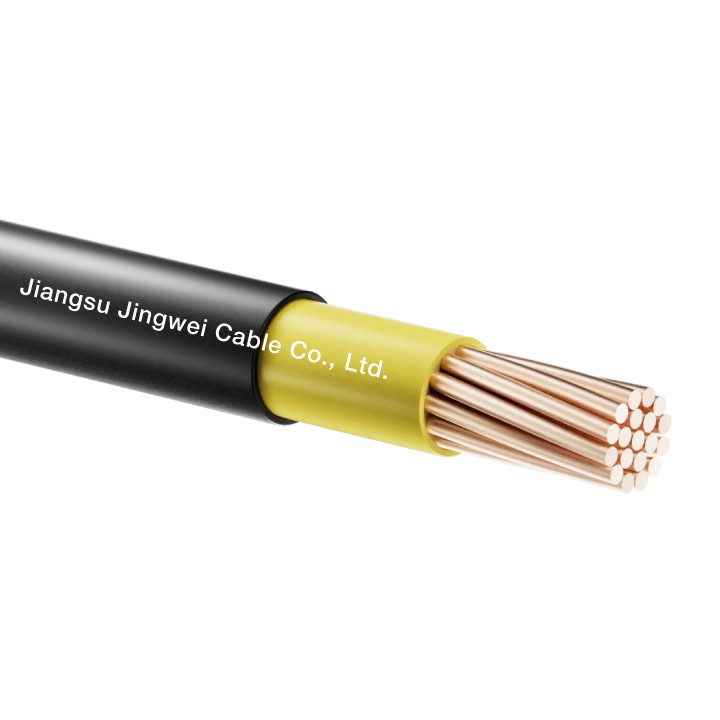
Busbars, on the other hand, are less flexible. They're usually installed in a fixed position, and they require more space for installation. You need to have a proper mounting structure in place to support the busbars, and they can't be easily re - routed once they're installed. However, their rigid structure also provides better stability and reduces the risk of short circuits.
Cost
The cost of busbars and conductor wires can vary depending on several factors, such as the material, size, and length. Generally speaking, busbars are more expensive than conductor wires. This is because they require more material to manufacture, and the installation process is more complex.
However, in some high - current applications, the cost of using a busbar system might be justified by its efficiency and reliability. In other cases, where the current requirements are lower, conductor wires can be a more cost - effective solution.
Applications
Conductor wires are used in a wide range of applications. They're commonly found in household electrical systems, where they're used to connect lights, appliances, and other electrical devices. They're also used in automotive wiring, telecommunications, and electronic circuits.
Busbars, on the other hand, are mainly used in industrial and commercial applications. They're used in electrical switchgear to distribute power from the main power source to different circuits. They're also used in power distribution panels, where they help to manage the flow of electricity in a building or a facility.
Which One Should You Choose?
The choice between a busbar and a conductor wire depends on your specific needs. If you need to carry a large amount of current over a short distance and you have enough space for installation, a busbar might be the right choice. On the other hand, if you need a flexible solution that can be easily routed through tight spaces and you don't require a high current, a conductor wire is probably a better option.
As a conductor wire supplier, I can offer you a wide range of conductor wires to meet your needs. Whether you need Copper Bare Conductor for a high - current application or Shielded Stranded Wire for a sensitive electronic circuit, I've got you covered.
If you're still not sure which type of conductor wire is right for your project, feel free to reach out. I'm always happy to help you make the best decision for your electrical system. We can discuss your requirements in detail and find the perfect solution for you. So, don't hesitate to contact me for a purchase and let's start a great partnership!
References
- Electrical Engineering Handbook by Richard C. Dorf
- Power System Analysis and Design by J. Duncan Glover, Mulukutla S. Sarma, and Thomas J. Overbye