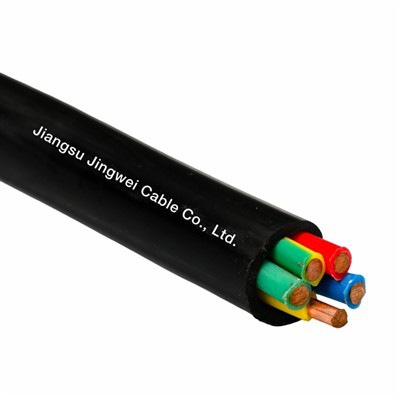
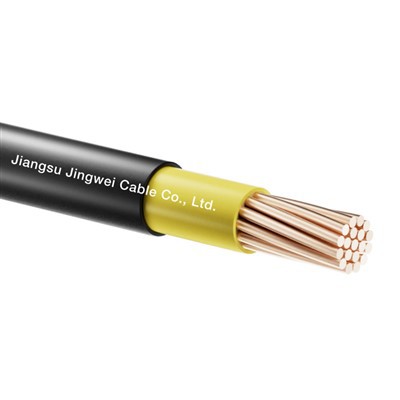
Hey there! As a supplier of Shielded Stranded Wire, I've been getting a lot of questions lately about the impact of shielding materials on the performance of our products. So, I thought I'd take a moment to break it down for you.
Let's start with the basics. Shielded stranded wire is used in a variety of applications, from electronics to telecommunications. The shielding is there to protect the wire from electromagnetic interference (EMI) and radio frequency interference (RFI). This is crucial because interference can cause signal loss, noise, and other issues that can affect the performance of the device.
Now, there are several types of shielding materials that we use in our shielded stranded wires. Each material has its own unique properties and characteristics, which can have a significant impact on the performance of the wire.
One of the most common shielding materials is copper. Copper is a great conductor of electricity, which means it can effectively block EMI and RFI. It's also relatively inexpensive and easy to work with. We use copper shielding in many of our products, especially those that are used in high-frequency applications.
Another popular shielding material is aluminum. Aluminum is lightweight and corrosion-resistant, which makes it a good choice for applications where weight and durability are important. It's also a good conductor of electricity, although not as good as copper. We use aluminum shielding in some of our products, especially those that are used in outdoor or harsh environments.
There's also a type of shielding called braided shielding. Braided shielding is made up of a mesh of thin wires that are woven together. This type of shielding provides excellent protection against EMI and RFI, and it's also very flexible. We use braided shielding in many of our products, especially those that need to be bent or twisted.
So, how does the shielding material affect the performance of the shielded stranded wire? Well, it depends on a few factors.
First of all, the type of shielding material can affect the amount of EMI and RFI that the wire can block. For example, copper shielding is generally more effective at blocking high-frequency interference than aluminum shielding. This means that if you're using the wire in a high-frequency application, you might want to choose a wire with copper shielding.
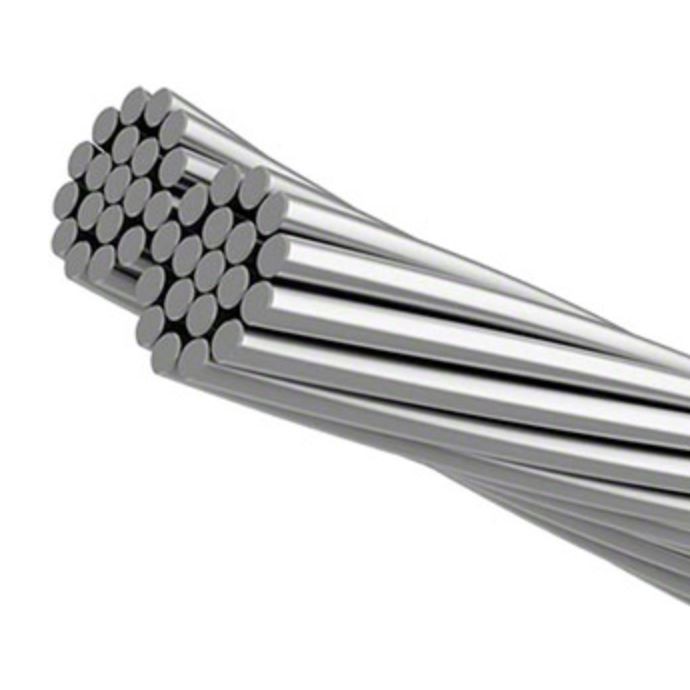
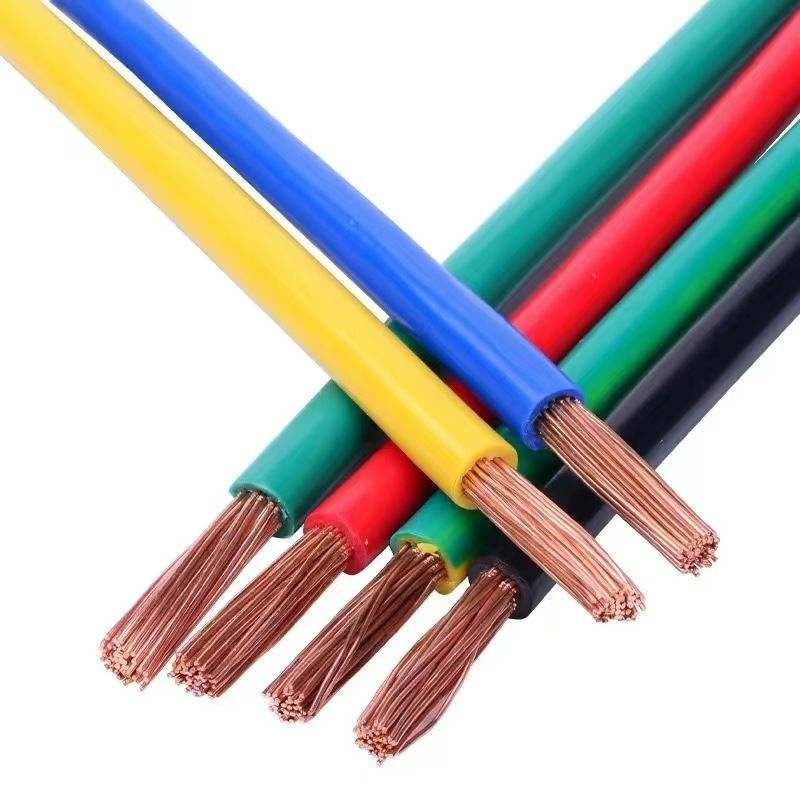
Second, the thickness of the shielding material can also affect the performance of the wire. Thicker shielding generally provides better protection against EMI and RFI, but it can also make the wire heavier and less flexible. So, you need to find a balance between protection and flexibility when choosing the thickness of the shielding.
Third, the way the shielding is applied to the wire can also affect the performance. For example, braided shielding provides better protection than foil shielding because it has more surface area. However, braided shielding can also be more expensive and more difficult to install.
Let's talk a bit about the different types of conductors that we use in our shielded stranded wires. We offer Single Solid Wire, Fine Stranded Conductor, and Tinned Stranded Copper.
Single solid wire is a single, solid conductor. It's very durable and has low resistance, which makes it a good choice for applications where high current is required. However, it's not very flexible, so it's not suitable for applications where the wire needs to be bent or twisted.
Fine stranded conductor is made up of many thin wires that are twisted together. It's very flexible, which makes it a good choice for applications where the wire needs to be bent or twisted. It also has a higher surface area than single solid wire, which means it can carry more current.
Tinned stranded copper is a type of fine stranded conductor that has been coated with tin. The tin coating provides protection against corrosion, which makes it a good choice for applications where the wire will be exposed to moisture or other harsh environments.
When choosing a shielded stranded wire, it's important to consider the type of shielding material, the thickness of the shielding, the type of conductor, and the application. You also need to consider the cost, as some materials and types of conductors can be more expensive than others.
If you're in the market for shielded stranded wire, I'd love to help you find the right product for your needs. We have a wide range of products available, and we can work with you to customize a solution that meets your specific requirements. Whether you're looking for a wire for a high-frequency application or a wire for an outdoor environment, we've got you covered.
So, if you're interested in learning more about our shielded stranded wires or if you have any questions, don't hesitate to reach out. We're here to help you make the best decision for your project.
References
- "Electromagnetic Compatibility Engineering" by Henry W. Ott
- "Handbook of Electronic Tables and Formulas for American Wire Gage"