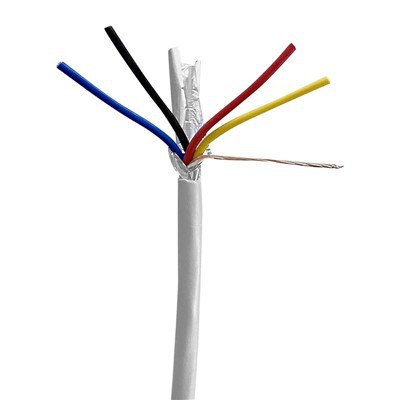
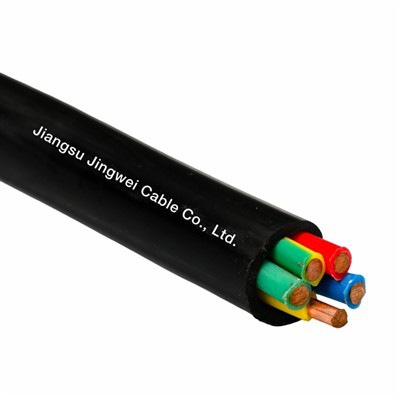
Hey there! As a power cable supplier, I've seen firsthand the importance of a power cable's insulation. It's not just a small part of the cable; it's a crucial element that can make or break the performance and safety of the entire electrical system. Let's dive into why insulation is so important.
Safety First
One of the primary reasons why insulation is so vital is safety. Electrical currents can be extremely dangerous, and without proper insulation, there's a high risk of electric shocks. When a power cable is well - insulated, it acts as a barrier between the live conductors and the outside environment.
Imagine a scenario where you're working on an electrical project, and you accidentally come into contact with a cable. If the cable is properly insulated, you're protected from the electrical current. However, if the insulation is damaged or non - existent, you could get a serious shock. This is especially important in industrial settings where workers are often in close proximity to power cables.
Insulation also helps prevent short circuits. A short circuit occurs when the live conductors in a cable come into contact with each other or with a conductive material. This can lead to overheating, fires, and damage to electrical equipment. Good insulation keeps the conductors separated, reducing the risk of short circuits.
Performance and Efficiency
Insulation plays a significant role in the performance and efficiency of power cables. It helps to maintain the integrity of the electrical signal. When a cable is insulated, it reduces the amount of signal loss. This means that the electrical energy can be transmitted more effectively from the source to the destination.
For example, in high - voltage power transmission, even a small amount of signal loss can result in significant energy waste. High - quality insulation materials can minimize this loss, ensuring that more of the electrical energy reaches its intended use. This not only saves energy but also reduces costs in the long run.
Moreover, insulation can protect the cable from environmental factors that could affect its performance. Moisture, for instance, can cause corrosion of the conductors and degrade the electrical properties of the cable. A good insulation layer acts as a shield against moisture, preventing it from reaching the conductors.
Durability and Longevity
Power cables are often installed in harsh environments, such as underground, in industrial areas, or in outdoor settings. Insulation helps to protect the cable from these harsh conditions, increasing its durability and longevity.


Insulation materials are designed to resist various types of damage, including mechanical stress, chemical exposure, and UV radiation. For example, in an industrial environment, cables may be exposed to chemicals that could corrode the conductors. A chemical - resistant insulation can prevent this corrosion, ensuring that the cable remains functional for a longer period.
UV radiation from the sun can also degrade the insulation over time. Special UV - resistant insulation materials can be used to protect the cable, especially in outdoor installations. This way, the cable can withstand the elements and continue to operate effectively for many years.
Different Types of Insulation
There are several types of insulation materials used in power cables, each with its own properties and applications. Some common insulation materials include PVC (Polyvinyl Chloride), XLPE (Cross - Linked Polyethylene), and rubber.
PVC is a popular choice for low - voltage power cables. It's relatively inexpensive, easy to work with, and provides good electrical insulation. It's also resistant to moisture and chemicals to some extent.
XLPE is often used in high - voltage power cables. It has excellent electrical properties, high thermal resistance, and good mechanical strength. XLPE - insulated cables can handle higher voltages and are more durable than PVC - insulated cables.
Rubber insulation is flexible and has good electrical properties. It's often used in applications where flexibility is required, such as in portable power cables.
Our Product Range
As a power cable supplier, we offer a wide range of power cables with high - quality insulation. We have Aluminium Alloy Cable, which is known for its lightweight and good conductivity. Our Twin Power Cable is designed for applications where two conductors are needed, and it comes with excellent insulation to ensure safety and performance. And our Electrical Power Wire is suitable for various electrical installations, with insulation that meets industry standards.
Conclusion
In conclusion, the insulation of a power cable is of utmost importance. It ensures safety, improves performance and efficiency, and increases the durability and longevity of the cable. As a power cable supplier, we understand the significance of high - quality insulation and strive to provide our customers with the best products.
If you're in the market for power cables, we'd love to have a chat with you. Whether you need cables for a small residential project or a large industrial installation, we can offer you the right solutions. Contact us to discuss your requirements and let's work together to find the perfect power cables for your needs.
References
- Grover, S. C. (2014). Electrical Power Cables: Design, Installation, and Testing. CRC Press.
- Nehls, H. (2017). Insulation Technology for High - Voltage Equipment. Springer.