Can solid conductor wiring be used in wet environments? That's a question I get asked a lot as a solid conductor wiring supplier. I'm here to break it down for you and give you the lowdown on whether it's a good idea to use solid conductor wiring when things get wet.
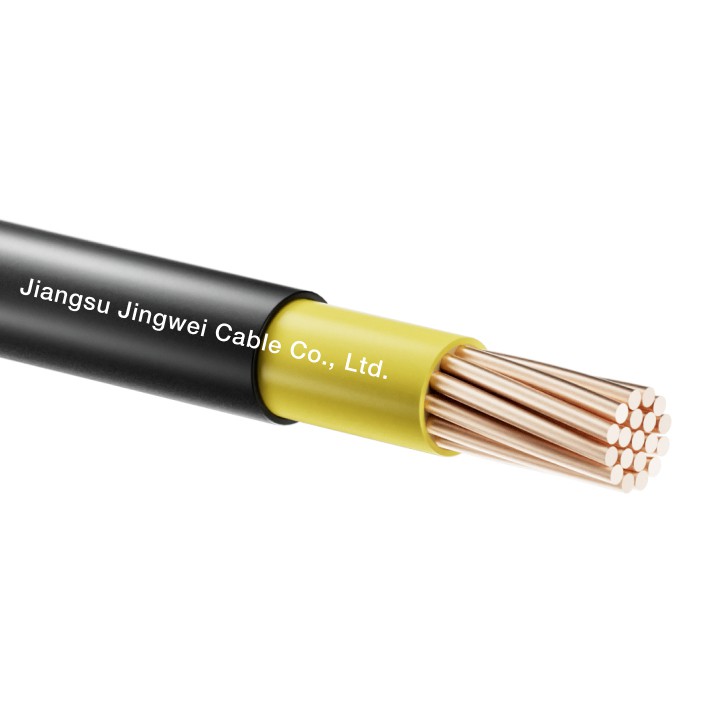
First off, let's talk about what solid conductor wiring is. It's a single, solid piece of metal, usually copper or aluminum, that's used to carry electrical current. It's different from stranded wiring, which is made up of multiple small wires twisted together. Solid conductor wiring is often used in applications where you need a reliable, long - lasting connection, like in buildings or industrial settings.
Now, when it comes to wet environments, there are a few things to consider. Water is a conductor of electricity, and if it gets in contact with your wiring, it can cause all sorts of problems. For starters, it can lead to corrosion. Corrosion is when the metal in the wiring reacts with oxygen and water, forming a layer of rust or other oxides. This can weaken the wiring, increase its resistance, and even cause it to break.
So, can solid conductor wiring handle wet environments? Well, it depends. If the wiring is properly protected, it can work just fine. For example, if it's encased in a waterproof conduit or sheathing, it can be shielded from the water. But if it's exposed, it's at risk.
One of the main issues with using solid conductor wiring in wet environments is that it doesn't have the same flexibility as stranded wiring. Stranded wiring can bend and flex without breaking, which is important in areas where there might be movement or vibration. Solid conductor wiring, on the other hand, is more rigid. If it gets bent or stressed in a wet environment, it's more likely to crack or break, which can lead to electrical shorts.
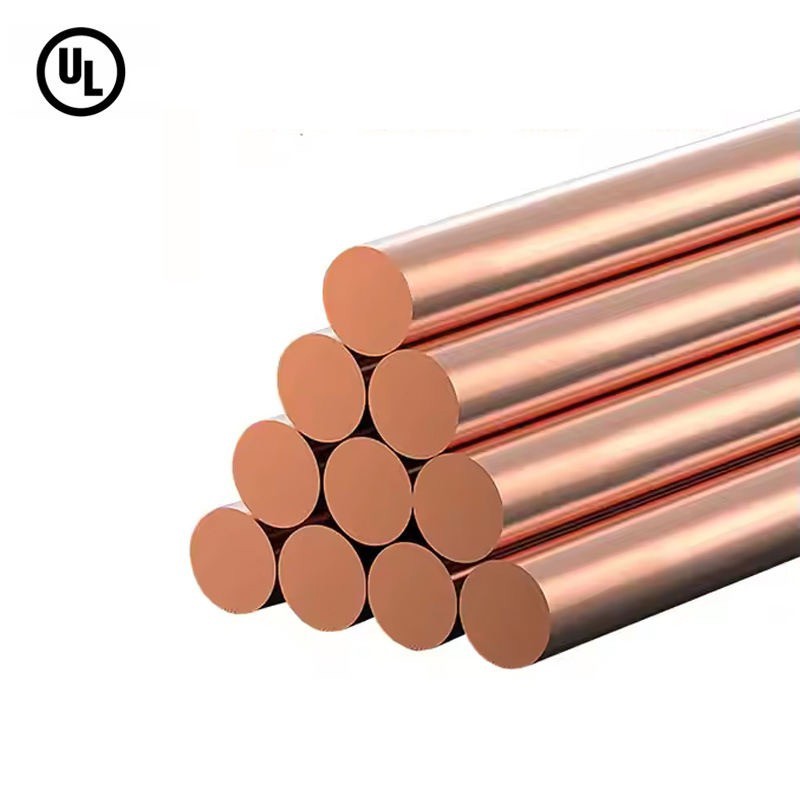
Another thing to think about is the type of metal used in the solid conductor wiring. Copper is a popular choice because it's a good conductor of electricity and is relatively resistant to corrosion. However, even copper can corrode over time in a wet environment. You can check out our Copper Bare Conductor for more information on copper wiring options.
Aluminum is another option, but it's more prone to corrosion than copper. It also has a higher resistance, which means it can generate more heat when carrying electrical current. This can be a problem in wet environments, as the heat can cause the wiring to expand and contract, leading to further damage.
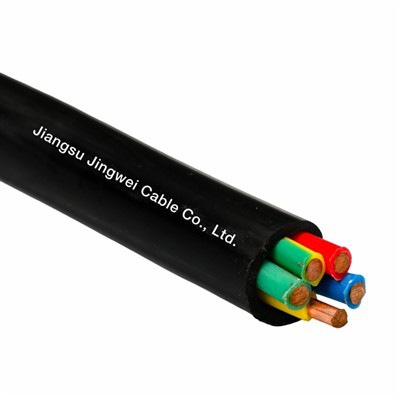
If you're considering using solid conductor wiring in a wet environment, you need to take some precautions. First, make sure the wiring is rated for wet conditions. Look for wiring that has a waterproof coating or is designed to be used in damp or wet locations. Second, use proper installation techniques. This includes using waterproof connectors and making sure the wiring is properly grounded.
It's also a good idea to inspect the wiring regularly. Look for signs of corrosion, such as discoloration or pitting. If you notice any problems, replace the wiring as soon as possible to avoid electrical hazards.
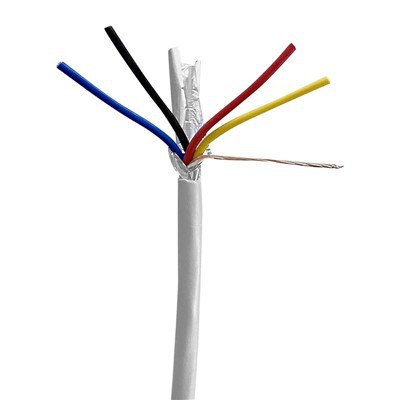
In some cases, it might be better to use Fine Stranded Conductor instead of solid conductor wiring in wet environments. Stranded wiring is more flexible and can better withstand the stresses of a wet environment. It also has a larger surface area, which can help to dissipate heat more effectively.
However, solid conductor wiring still has its advantages. It's often cheaper and easier to install than stranded wiring. It also has a lower resistance, which means it can carry more electrical current without generating as much heat.
If you're in the market for solid conductor wiring for a wet environment, we've got you covered. Our Hard Drawn Bare Copper Wire is a great option. It's made from high - quality copper and is designed to be durable and reliable.
So, in conclusion, solid conductor wiring can be used in wet environments, but it needs to be properly protected and maintained. If you're not sure whether solid conductor wiring is the right choice for your project, feel free to reach out to us. We're here to help you make the best decision for your electrical needs. Whether you're working on a small home project or a large industrial installation, we can provide you with the right wiring solutions.
If you're interested in purchasing solid conductor wiring or have any questions about using it in wet environments, don't hesitate to contact us. We're always happy to have a chat and discuss your specific requirements. Let's work together to find the perfect wiring solution for your project.
References
- Electrical Wiring Handbook, various editions
- National Electrical Code (NEC) standards
- Industry research on conductor materials and their performance in wet conditions