Hey there! I'm a supplier of solar DC cables, and I've seen firsthand how tricky it can be to install these cables in a confined space. But don't worry, I'm here to share some tips and tricks that'll make the process a whole lot easier.


Understanding the Basics
Before we dive into the installation process, let's quickly go over what solar DC cables are and why they're so important. Solar DC cables are used to connect solar panels to inverters, batteries, and other components in a solar power system. They carry direct current (DC) electricity from the solar panels to the rest of the system, so it's crucial that they're installed correctly to ensure maximum efficiency and safety.
Planning Your Installation
The first step in installing solar DC cables in a confined space is to plan your installation carefully. This means taking the time to measure the space, identify any obstacles or hazards, and determine the best route for the cables. You'll also need to consider the size and type of cables you'll need, as well as the number of panels and other components in your system.
When planning your installation, it's important to keep in mind that solar DC cables should be installed in a way that minimizes the risk of damage or interference. This means avoiding sharp edges, corners, and other obstacles that could cause the cables to rub or kink. You'll also want to make sure that the cables are installed in a way that allows for easy access and maintenance.
Choosing the Right Cables
Once you've planned your installation, it's time to choose the right cables for the job. As a solar DC cable supplier, I recommend using high-quality cables that are specifically designed for use in solar power systems. These cables are typically made from materials that are resistant to UV radiation, heat, and moisture, which helps to ensure their longevity and reliability.
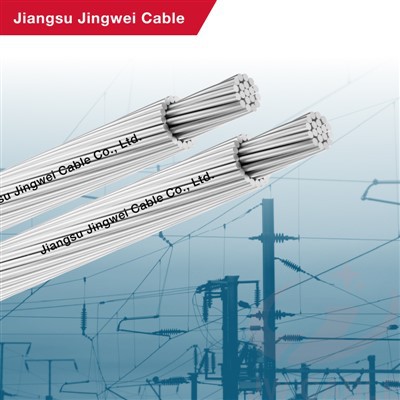
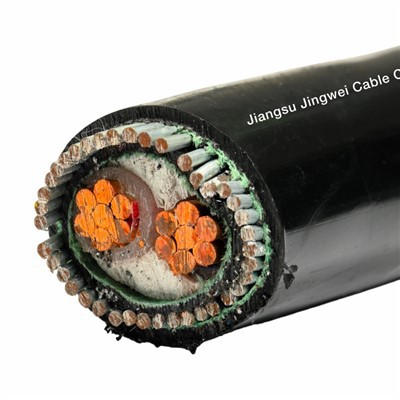
Some of the most popular types of solar DC cables include Cet Solar Cable, Solar Aluminium Cable, and Pv Dc Cable. Each of these cables has its own unique features and benefits, so it's important to choose the one that's best suited for your specific needs.
Preparing the Space
Before you start installing the cables, you'll need to prepare the space. This means cleaning the area where the cables will be installed, removing any debris or obstacles, and making sure that the surface is smooth and level. You'll also want to make sure that the area is well-ventilated to prevent the buildup of heat and moisture.
If you're installing the cables in a confined space, you may need to use special tools and equipment to access the area. This could include ladders, scaffolding, or other types of equipment that will allow you to reach the installation site safely and easily.
Installing the Cables
Once you've prepared the space, it's time to start installing the cables. The first step is to lay out the cables along the planned route, making sure that they're straight and free of kinks or bends. You'll then need to secure the cables in place using cable ties, clamps, or other types of fasteners.
When installing the cables, it's important to make sure that they're properly connected to the solar panels, inverters, and other components in the system. This means using the correct connectors and terminals, and making sure that the connections are tight and secure. You'll also want to make sure that the cables are properly grounded to prevent the risk of electrical shock.
Testing the System
Once you've installed the cables, it's important to test the system to make sure that it's working properly. This means checking the voltage and current levels, as well as the overall performance of the system. You'll also want to make sure that there are no signs of damage or interference to the cables or other components in the system.
If you encounter any problems during the testing process, it's important to address them immediately. This could involve making adjustments to the cables, connectors, or other components in the system, or it could involve replacing damaged or faulty parts.
Maintenance and Care
Once the system is up and running, it's important to perform regular maintenance and care to ensure its continued performance and reliability. This means checking the cables and other components in the system on a regular basis, looking for signs of damage or wear, and making any necessary repairs or replacements.
You'll also want to make sure that the cables are kept clean and free of debris, and that they're protected from the elements. This could involve using cable covers or other types of protective equipment to prevent damage to the cables from UV radiation, heat, and moisture.
Conclusion
Installing solar DC cables in a confined space can be a challenging task, but with the right planning, preparation, and equipment, it can be done safely and effectively. By following the tips and tricks outlined in this blog post, you'll be able to install your solar DC cables with confidence, knowing that you're doing everything you can to ensure the maximum efficiency and reliability of your solar power system.
If you're interested in learning more about solar DC cables or if you have any questions about the installation process, please don't hesitate to contact me. I'd be happy to help you choose the right cables for your specific needs and to provide you with any additional information or support you may need.
References
- Solar Energy Industries Association. (n.d.). Solar Photovoltaic System Design and Installation. Retrieved from [Website URL]
- National Renewable Energy Laboratory. (n.d.). Solar PV System Installation Best Practices. Retrieved from [Website URL]
- International Electrotechnical Commission. (n.d.). Standards for Solar DC Cables. Retrieved from [Website URL]