In the contemporary era, the significance of environmental sustainability has reached an all - time high. As a supplier of Twin Power Cable, I am often asked about the recyclability of our products. This blog aims to explore whether Twin Power Cable is recyclable, delving into the materials, processes, and environmental implications.
Understanding Twin Power Cable
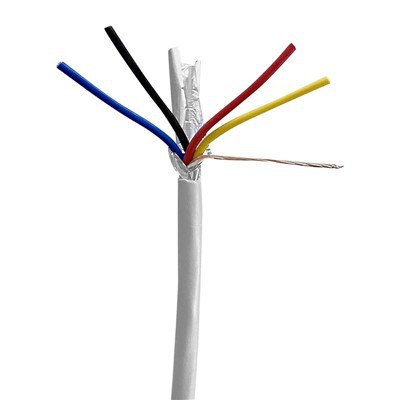
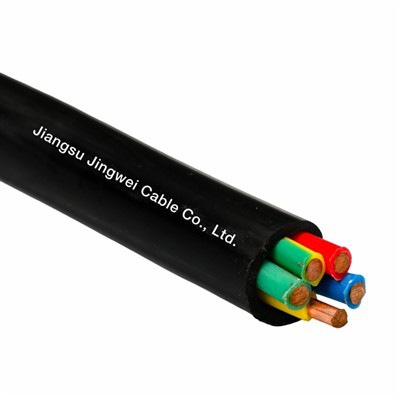
Twin Power Cable, as the name suggests, consists of two conductors within a single cable assembly. These cables are widely used in various electrical applications, from residential wiring to industrial power distribution. They are designed to carry electrical current safely and efficiently, with insulation materials protecting the conductors from short - circuits and environmental factors.
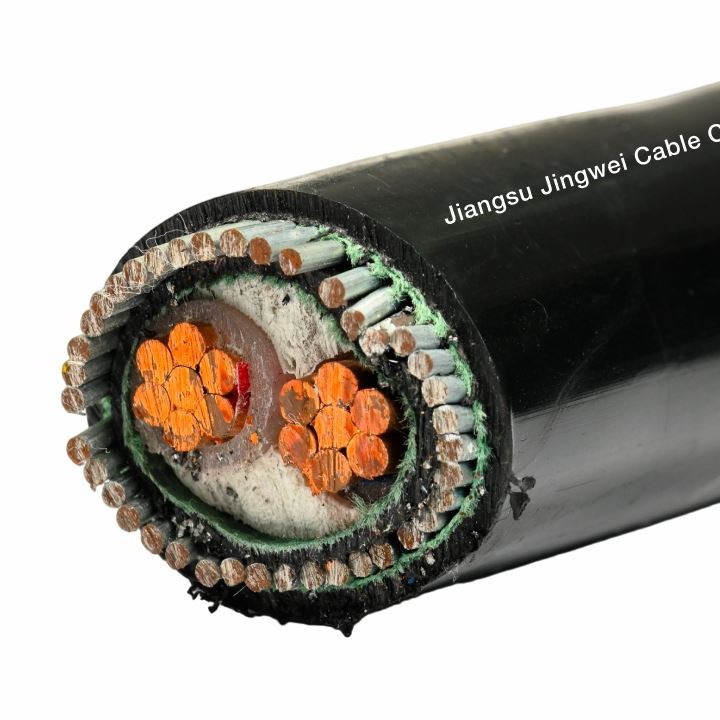
The typical components of Twin Power Cable include copper or aluminum conductors, insulation materials such as PVC (Polyvinyl Chloride) or XLPE (Cross - Linked Polyethylene), and sometimes a protective outer sheath. Each of these materials has different properties and recyclability potential.
Recyclability of Cable Components
Conductors
The conductors in Twin Power Cable are usually made of copper or aluminum. Both of these metals are highly recyclable. Copper, in particular, is one of the most recycled metals in the world. Recycling copper not only conserves natural resources but also requires significantly less energy compared to mining and refining new copper. Aluminum also has excellent recyclability. It can be melted down and reused multiple times without losing its inherent properties. When Twin Power Cables reach the end of their useful life, the conductors can be easily separated and sent to recycling facilities.
Insulation Materials
The insulation materials used in Twin Power Cable present a more complex picture. PVC is a common insulation material due to its low cost and good electrical insulation properties. However, PVC recycling is challenging. It contains chlorine, which can release harmful substances when burned, and the recycling process often requires complex chemical treatments. On the other hand, XLPE is more environmentally friendly in terms of recyclability. It can be ground into small particles and reused in some applications, such as in the production of new cables or other plastic products.
Outer Sheaths
The outer sheaths of Twin Power Cables are designed to protect the internal components from mechanical damage, moisture, and other environmental factors. These sheaths can be made of various materials, including PVC and rubber. Similar to the insulation materials, the recyclability of the outer sheaths depends on the material used. Rubber sheaths can be recycled through processes such as devulcanization, which breaks down the cross - linked structure of the rubber, allowing it to be reused.
Recycling Processes for Twin Power Cable
The recycling of Twin Power Cable typically involves several steps. First, the cables are collected from various sources, such as construction sites, electrical equipment manufacturers, and end - of - life electrical systems. Once collected, the cables are sorted based on their type and material composition.
The next step is the separation of the different components. This can be done through mechanical processes, such as shredding and sieving, to separate the conductors from the insulation and outer sheaths. Chemical processes may also be used to dissolve the insulation materials and extract the conductors.
After separation, the conductors are melted down and refined to remove impurities. The recycled metals can then be used to manufacture new cables or other metal products. The insulation and outer sheath materials, if recyclable, are processed further to be reused in appropriate applications.
Environmental Benefits of Recycling Twin Power Cable
Recycling Twin Power Cable offers several environmental benefits. Firstly, it reduces the demand for new raw materials. By reusing metals and other materials, we can conserve natural resources and reduce the environmental impact of mining and extraction. Secondly, recycling reduces the amount of waste sent to landfills. This helps to minimize the environmental pollution associated with landfill sites, such as soil and water contamination.
In addition, the energy savings associated with recycling are significant. As mentioned earlier, recycling metals like copper and aluminum requires much less energy compared to producing new metals from ore. This results in a reduction in greenhouse gas emissions, contributing to the fight against climate change.
Challenges in Recycling Twin Power Cable
Despite the potential benefits, there are several challenges in recycling Twin Power Cable. One of the main challenges is the complexity of the cable structure. The combination of different materials in a single cable makes it difficult to separate and recycle each component efficiently. Additionally, the presence of hazardous substances in some insulation materials, such as PVC, requires special handling and treatment during the recycling process.
Another challenge is the lack of awareness and infrastructure for cable recycling. Many consumers and businesses are not aware of the recyclability of Twin Power Cable, and there may be a lack of convenient recycling facilities in some areas. This can lead to a significant amount of cables being discarded in landfills instead of being recycled.
Our Role as a Twin Power Cable Supplier
As a Twin Power Cable supplier, we have a responsibility to promote the recyclability of our products. We are committed to using environmentally friendly materials in our cable production whenever possible. For example, we are exploring the use of more recyclable insulation materials, such as XLPE, to reduce the environmental impact of our cables.

We also provide information to our customers about the recyclability of our Twin Power Cables. We encourage them to recycle the cables at the end of their useful life and provide guidance on how to do so. In addition, we are working with recycling facilities to improve the recycling processes for our cables and ensure that the recycled materials are used effectively.
Comparison with Other Types of Power Cables
It is interesting to compare the recyclability of Twin Power Cable with other types of power cables, such as Thick Power Cable and Unarmoured Power Cable. Thick Power Cables often have larger conductors and may require more energy to recycle due to their size. However, the basic principles of recycling, such as separating the conductors from the insulation, remain the same.
Unarmoured Power Cables, on the other hand, may have a simpler structure compared to Twin Power Cables, which can make the recycling process somewhat easier. However, the choice of insulation and outer sheath materials still plays a crucial role in determining their recyclability.
Conclusion
In conclusion, Twin Power Cable is recyclable to a certain extent. The conductors are highly recyclable, while the recyclability of the insulation and outer sheath materials depends on the specific materials used. Although there are challenges in recycling Twin Power Cable, the environmental benefits are significant.
As a Twin Power Cable supplier, we are dedicated to promoting the recycling of our products and contributing to a more sustainable future. If you are interested in purchasing Twin Power Cables or have any questions about their recyclability, please feel free to contact us for further information and to discuss your procurement needs. We look forward to working with you to meet your electrical power requirements while also protecting the environment.
References
- "Recycling of Electrical Cables: A Review" - Journal of Environmental Management
- "The Economics and Environmental Impact of Metal Recycling" - International Journal of Recycling of Materials
- "Advances in Cable Insulation Materials and Their Recycling" - IEEE Transactions on Dielectrics and Electrical Insulation