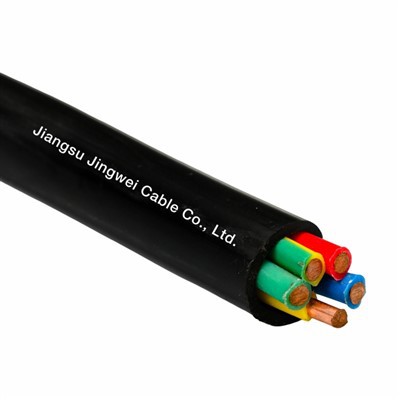
Yo, folks! As a supplier of conductor wires, I've seen firsthand the many perks of using copper conductor wires. Let's dive right into why copper is the go - to choice for so many electrical applications.
High Electrical Conductivity
One of the biggest advantages of copper conductor wires is their outstanding electrical conductivity. Copper is second only to silver in terms of conductivity, but silver is way too expensive for most applications. With copper, electrons can flow through the wire with minimal resistance. This means that less energy is lost as heat during the transmission of electricity.
For example, in power distribution systems, using copper wires helps to ensure that a large portion of the electrical energy generated at the power plant actually reaches the end - users. This efficiency not only saves on energy costs but also reduces the load on the power generation equipment. When you're running a big industrial facility or a large residential complex, that energy savings can really add up over time.
Ductility and Malleability
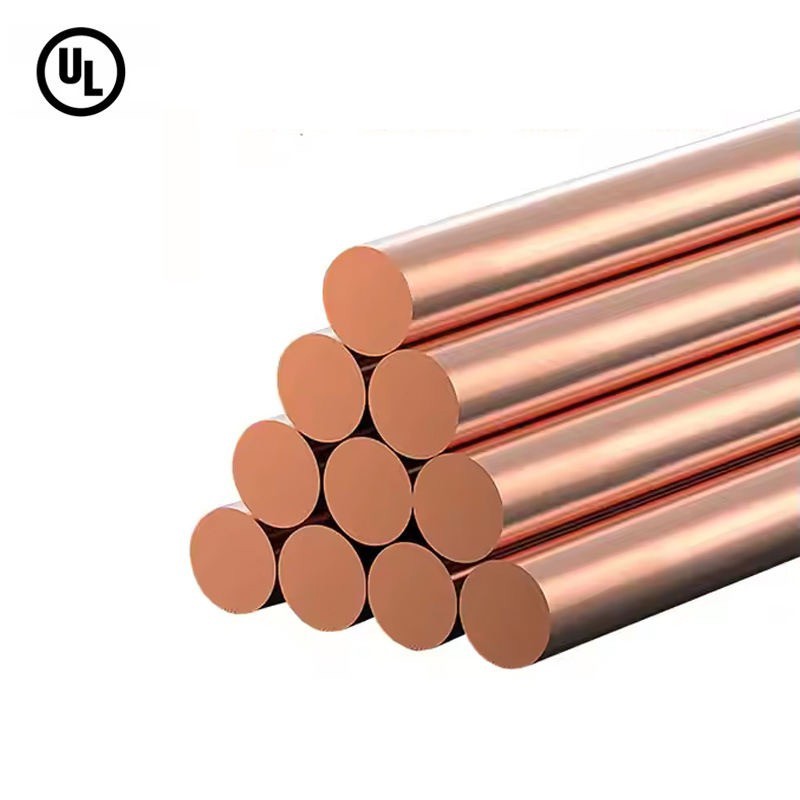
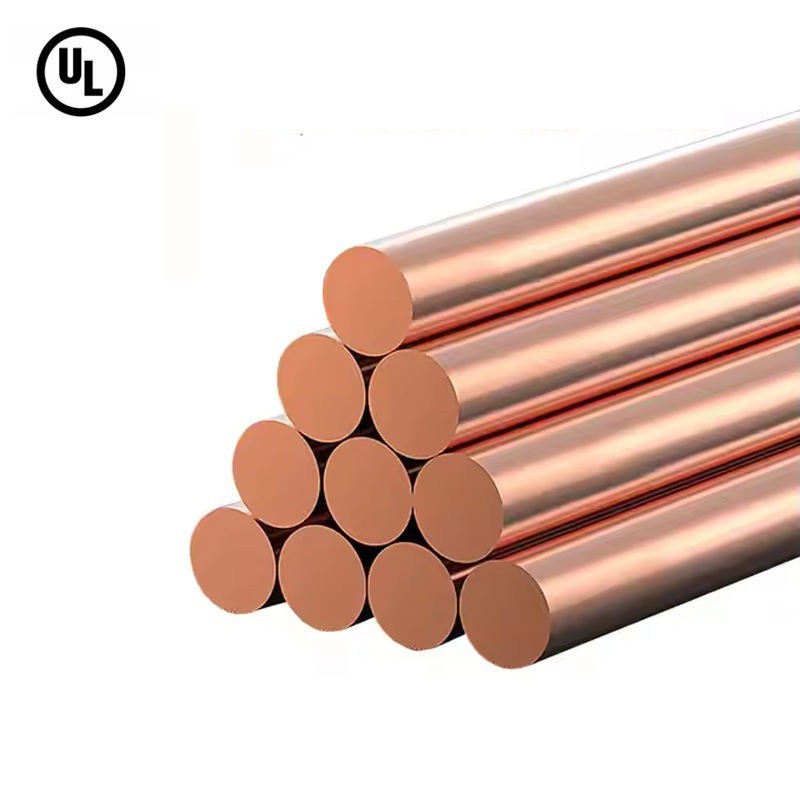
Copper is an incredibly ductile and malleable metal. Ductility means it can be drawn into thin wires without breaking. Malleability, on the other hand, allows it to be hammered or pressed into different shapes. This makes copper an ideal material for manufacturing conductor wires.
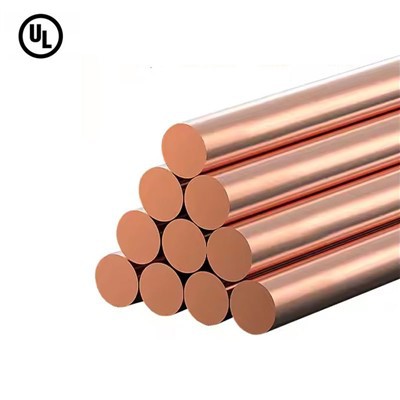
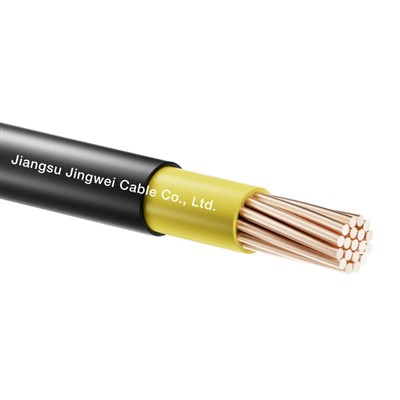
We can produce all sorts of copper wires, like the Hard Drawn Bare Copper Wire. The hard - drawing process makes the wire stronger, and it can be used in applications where the wire needs to withstand some mechanical stress, such as in overhead power lines. And then there's the Single Solid Wire. Its solid structure is great for applications where a single, continuous conductor is required, like in some electronic devices.
Corrosion Resistance
Copper has a natural resistance to corrosion. When exposed to air, copper forms a thin layer of copper oxide on its surface. This layer acts as a protective barrier, preventing further corrosion. This is a huge plus, especially in outdoor or harsh environments.
For instance, in marine applications, where the wires are constantly exposed to saltwater and humidity, copper wires can last much longer compared to other materials. This reduces the need for frequent replacements, saving both time and money. Even in industrial settings with chemicals in the air, copper's corrosion resistance helps to maintain the integrity of the electrical system.
Thermal Conductivity
Copper is also an excellent conductor of heat. In electrical applications, this is a major advantage. When electricity flows through a wire, some heat is generated due to the resistance. With copper's high thermal conductivity, the heat can be quickly dissipated.
This is crucial in high - power applications, such as in electric motors or transformers. If the heat isn't dissipated properly, it can cause the components to overheat, leading to reduced efficiency and even damage. By using copper conductor wires, we can ensure that these devices operate at optimal temperatures, extending their lifespan.
Long - Term Cost - Effectiveness
Although the initial cost of copper conductor wires might be a bit higher compared to some other materials, in the long run, they are a cost - effective choice. Thanks to their high conductivity, corrosion resistance, and long lifespan, the overall cost of ownership is lower.
You don't have to replace the wires as often, and you save on energy costs due to their efficient transmission of electricity. For businesses, this can have a significant impact on the bottom line. Whether it's a small startup or a large corporation, choosing copper wires can lead to long - term savings.
Recyclability
Copper is highly recyclable. When a copper wire reaches the end of its useful life, it can be melted down and reused to make new wires. This is not only environmentally friendly but also helps to reduce the demand for new copper mining.
Recycling copper also has economic benefits. The recycled copper can be sold at a relatively high price, which can offset some of the costs of replacing the old wires. As more and more companies are becoming environmentally conscious, the recyclability of copper is an added advantage that makes it an even more attractive choice.
Flexibility
Copper wires are flexible, which makes them easy to install. Whether you're working on a small DIY project or a large - scale electrical installation, you can bend and shape the copper wires to fit your needs.
This flexibility also allows for easier routing of the wires through tight spaces. In buildings, for example, copper wires can be easily snaked through walls and ceilings without causing too much disruption. This makes the installation process faster and more efficient.
Compatibility
Copper is compatible with a wide range of electrical components and connectors. It can be easily soldered, which is an important process in electrical connections. This compatibility ensures a reliable and stable electrical connection.
Whether you're connecting a wire to a switch, a socket, or an electronic device, copper wires can be used without any issues. This makes it a versatile choice for all types of electrical applications.
Safety
Copper is a safe material to use in electrical applications. Its high conductivity and low resistance mean that there is less risk of overheating and electrical fires. The corrosion resistance also helps to maintain the integrity of the electrical system, reducing the risk of short - circuits.
In addition, copper is a non - toxic material, which is important in applications where there might be human contact. For example, in household electrical wiring, using copper wires ensures the safety of the occupants.
Availability
Copper is one of the most widely available metals in the world. This means that as a supplier, I can easily source the copper needed to produce conductor wires. It also means that customers can get the copper wires they need in a timely manner.
Whether you're a small contractor working on a local project or a large utility company, you can count on the availability of copper conductor wires. This reliability in supply is a major advantage for businesses that rely on these wires for their operations.
So, if you're in the market for conductor wires, copper is definitely the way to go. Its many advantages make it a top choice for a wide range of electrical applications. Whether you need Hard Drawn Bare Copper Wire, Single Solid Wire, or Soft Drawn Bare Copper Wire, I've got you covered. If you're interested in purchasing copper conductor wires for your project, don't hesitate to reach out for a quote and start a procurement discussion.
References
- "Electrical Conductivity of Metals." Handbook of Physics and Chemistry.
- "Properties of Copper." Metals and Alloys Research Institute.
- "Recycling of Copper: An Overview." Journal of Environmental Science and Technology.