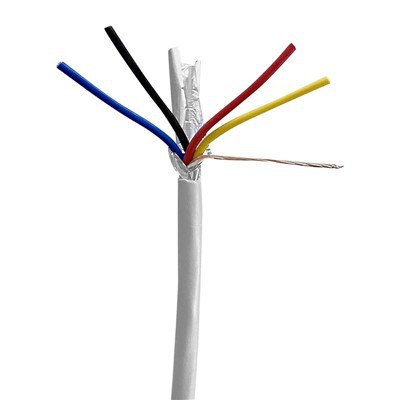
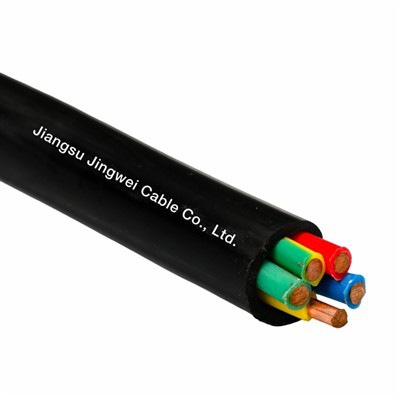
Insulation materials play a crucial role in the performance and safety of thick power cables. As a supplier of thick power cables, I have in - depth knowledge of the various insulation materials used in these cables. In this blog, I will explore the different types of insulation materials for thick power cables, their properties, and their applications.
Common Insulation Materials for Thick Power Cables
Cross - Linked Polyethylene (XLPE)
Cross - Linked Polyethylene is one of the most widely used insulation materials for thick power cables. XLPE is created by cross - linking polyethylene molecules, which significantly improves its mechanical and electrical properties.
The main advantage of XLPE is its excellent electrical insulation performance. It has a low dielectric constant and low dielectric loss, which means that it can effectively reduce power loss during the transmission of electricity. This is especially important for thick power cables that are used to carry high - voltage and high - current electricity.


XLPE also has good thermal stability. It can withstand relatively high temperatures without significant degradation of its properties. This allows thick power cables with XLPE insulation to operate in harsh environments, such as in industrial settings where there may be high temperatures.
In addition, XLPE has good resistance to moisture and chemicals. This makes it suitable for outdoor and underground applications, where the cables may be exposed to water, soil, and various chemicals. For example, Outdoor Underground Wire often uses XLPE insulation to ensure long - term reliability.
Ethylene Propylene Rubber (EPR)
Ethylene Propylene Rubber is another popular insulation material for thick power cables. EPR has excellent flexibility, which makes it easy to install and bend the cables. This is particularly useful in applications where the cables need to be routed around obstacles or in tight spaces.
EPR also has good electrical insulation properties. It has a high dielectric strength, which means that it can withstand high voltages without breaking down. This makes it suitable for high - voltage power cables.
Moreover, EPR has good resistance to ozone, weathering, and aging. It can maintain its performance over a long period of time, even when exposed to the elements. This makes it a good choice for outdoor and overhead power cables.
Polyvinyl Chloride (PVC)
Polyvinyl Chloride is a commonly used insulation material, especially for low - voltage thick power cables. PVC is relatively inexpensive and easy to process, which makes it a cost - effective option for many applications.
PVC has good mechanical properties, such as flexibility and toughness. It can protect the conductors inside the cable from physical damage. However, compared to XLPE and EPR, PVC has relatively poor electrical insulation performance at high voltages. It also has a lower thermal resistance, which means that it may not be suitable for high - temperature applications.
PVC is often used in indoor applications, such as in buildings for wiring electrical appliances. For Electrical Power Wire used in domestic settings, PVC insulation is a common choice due to its affordability and ease of installation.
Factors Affecting the Choice of Insulation Material
Voltage Level
The voltage level of the power cable is a major factor in determining the insulation material. For high - voltage cables, materials with high dielectric strength, such as XLPE and EPR, are preferred. These materials can withstand the high electric fields associated with high - voltage transmission without breaking down.
For low - voltage cables, PVC may be a suitable option due to its cost - effectiveness and sufficient insulation performance at lower voltages.
Environmental Conditions
The environment in which the cable will be installed also affects the choice of insulation material. If the cable is to be installed outdoors or underground, materials with good resistance to moisture, chemicals, and weathering, such as XLPE and EPR, are more appropriate.
For example, in coastal areas where there is high humidity and salt spray, cables with XLPE or EPR insulation can better withstand the corrosive environment. On the other hand, if the cable is to be used in a dry and indoor environment, PVC insulation may be sufficient.
Temperature Requirements
The operating temperature of the cable is another important factor. Some insulation materials, such as XLPE, can withstand higher temperatures than others. If the cable is expected to operate in a high - temperature environment, such as near industrial furnaces or in hot climates, a high - temperature - resistant insulation material like XLPE should be chosen.
Applications of Thick Power Cables with Different Insulation Materials
Industrial Applications
In industrial settings, thick power cables are used to supply electricity to heavy machinery, motors, and other equipment. XLPE - insulated cables are often used in these applications due to their high - voltage capacity and good thermal stability. They can handle the high - power requirements of industrial equipment and operate reliably in the harsh industrial environment.
Residential Applications
In residential buildings, thick power cables are used for electrical wiring. PVC - insulated cables are commonly used for low - voltage applications, such as lighting and small appliances. These cables are easy to install and cost - effective, making them suitable for home use.
Outdoor and Underground Applications
For outdoor and underground power transmission, cables with XLPE or EPR insulation are preferred. These materials can withstand the environmental challenges, such as moisture, soil pressure, and temperature variations. Outdoor Underground Wire often uses XLPE insulation to ensure long - term performance.
Conclusion
As a thick power cable supplier, I understand the importance of choosing the right insulation material for different applications. XLPE, EPR, and PVC each have their own unique properties and advantages, and the choice of insulation material depends on factors such as voltage level, environmental conditions, and temperature requirements.
If you are in need of thick power cables for your project, whether it is for industrial, residential, or outdoor applications, we can provide you with high - quality cables with the appropriate insulation material. Our cables are designed to meet the highest standards of performance and safety. Contact us to discuss your specific requirements and start a procurement negotiation. We are committed to providing you with the best solutions for your power cable needs.
References
- "Power Cable Engineering" by John D. McDonald
- "Electrical Insulation Handbook" by Roger M. Eichhorn