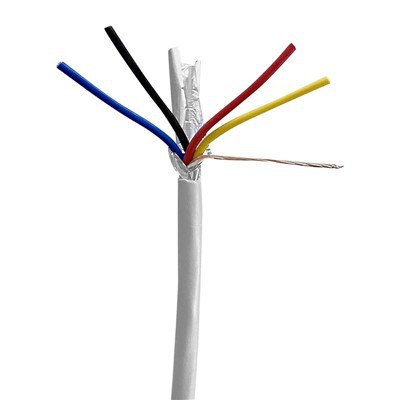
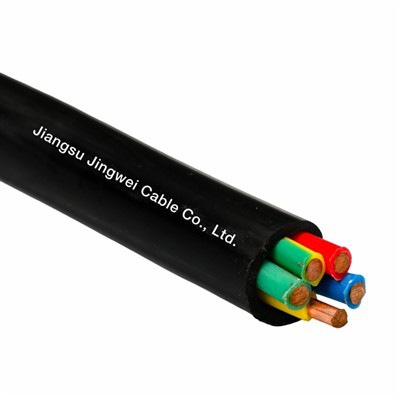
Hey there! As a supplier of flexible stranded wire, I've seen firsthand how the flexibility of this type of wire can make a huge difference in how easy it is to handle. In this blog post, I'm gonna break down the impact of flexibility on the ease of handling stranded wire and why it matters for your projects.
What is Stranded Wire?
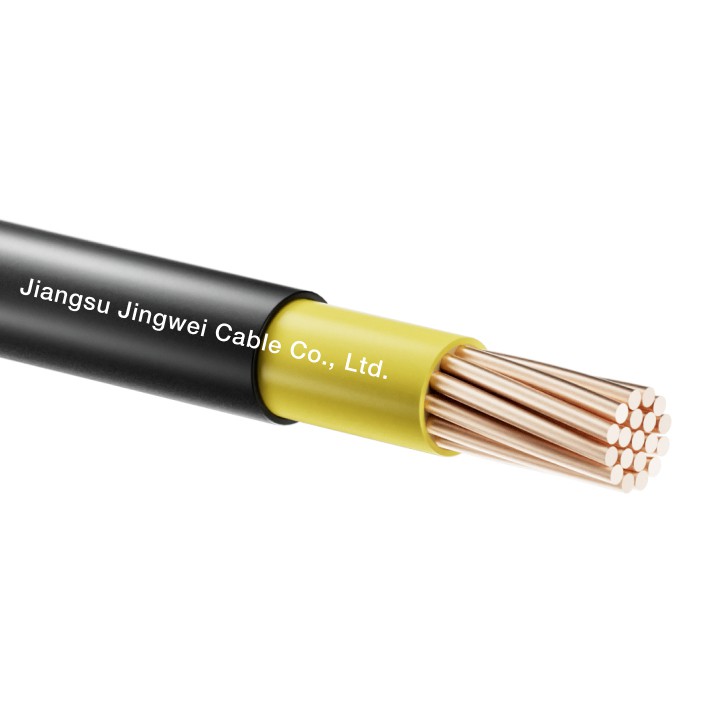
Before we dive into the flexibility aspect, let's quickly go over what stranded wire is. Stranded wire is made up of multiple small wires, or strands, twisted together. This is different from solid wire, which is just one single piece of wire. Stranded wire is known for its flexibility, which makes it a popular choice for a variety of applications. You can learn more about Stranded Electrical Cable on our website.
The Impact of Flexibility on Handling
One of the biggest advantages of flexible stranded wire is how easy it is to work with. When you're dealing with a project that requires bending, twisting, or routing the wire, flexibility is key. Here's how flexibility impacts the ease of handling:
Bending and Routing
Flexible stranded wire can be bent and routed much more easily than solid wire. This is because the individual strands can move and flex independently, allowing the wire to bend without breaking. Whether you're installing wiring in a tight space or creating a custom cable assembly, the ability to bend the wire without kinking or breaking is a huge plus.
Installation in Tight Spaces
In many electrical installations, space is limited. Flexible stranded wire can be easily maneuvered into tight spaces, such as behind walls or in small enclosures. This makes it ideal for applications where solid wire would be difficult or impossible to install. For example, in a home theater installation, you might need to run wires through a narrow conduit or around obstacles. Flexible stranded wire can make this task much easier.
Resistance to Fatigue
Another benefit of flexibility is that it helps the wire resist fatigue. When a wire is bent or flexed repeatedly, it can eventually break. However, flexible stranded wire is more resistant to this type of fatigue because the individual strands can move and distribute the stress. This means that the wire can withstand more bending and flexing without failing, making it a more reliable choice for long-term use.
Applications of Flexible Stranded Wire
Flexible stranded wire is used in a wide range of applications, from electrical wiring in homes and buildings to automotive and industrial applications. Here are some common applications where the flexibility of stranded wire is particularly important:
Electrical Wiring
In residential and commercial electrical wiring, flexible stranded wire is often used for circuits that require a lot of bending and routing. For example, in a new construction project, the wiring for lighting fixtures and outlets may need to be run through walls, ceilings, and floors. Flexible stranded wire makes it easier to install these circuits and ensures that the wire can withstand the stresses of everyday use.
Automotive Wiring
In the automotive industry, flexible stranded wire is used for a variety of applications, including wiring for the engine, electrical systems, and interior components. The flexibility of the wire allows it to be easily routed through the tight spaces of a vehicle's engine compartment and interior. Additionally, the resistance to fatigue makes it a reliable choice for the harsh conditions of automotive use.
Industrial Applications
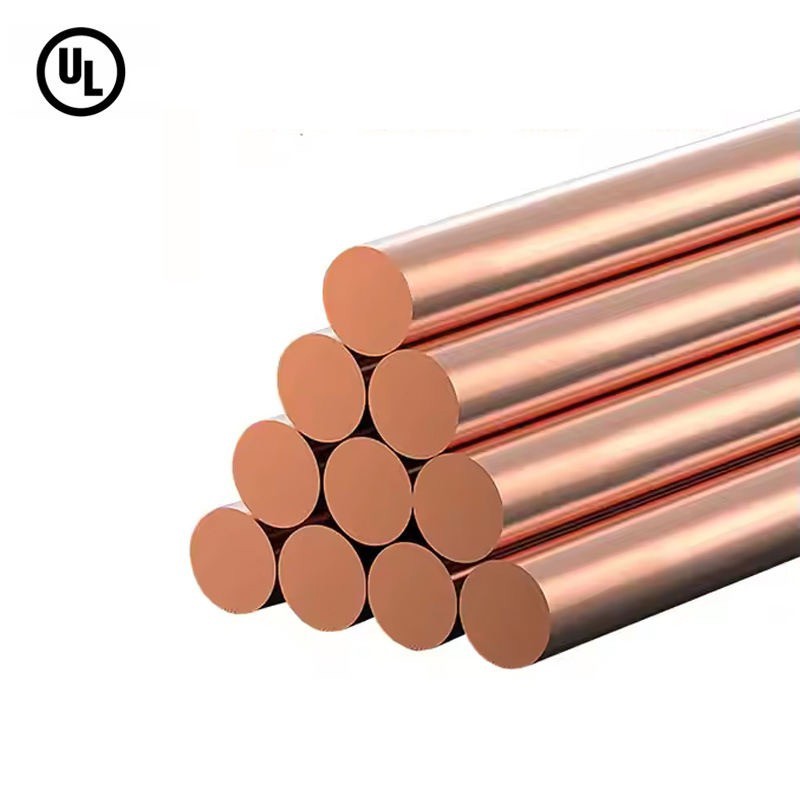
In industrial settings, flexible stranded wire is used in a variety of applications, such as machinery, robotics, and control systems. The ability to bend and flex the wire makes it easier to install and maintain these systems, and the resistance to fatigue ensures that the wire can withstand the high levels of stress and vibration often found in industrial environments. You can also explore Copper Bare Conductor and Hard Drawn Bare Copper Wire for more industrial options.
Choosing the Right Flexible Stranded Wire
When choosing a flexible stranded wire for your project, there are a few factors to consider. Here are some tips to help you make the right choice:
Gauge
The gauge of the wire refers to its thickness. Thicker wires have a lower gauge number and can carry more current. When choosing a wire, make sure to select the appropriate gauge for your application. If you're not sure what gauge to use, consult an electrician or refer to the manufacturer's specifications.
Insulation
The insulation on the wire helps to protect it from damage and prevent electrical shorts. There are several types of insulation available, each with its own properties and advantages. When choosing a wire, consider the environment in which it will be used and select an insulation material that is appropriate for that environment.
Flexibility
As we've discussed, flexibility is an important factor to consider when choosing a stranded wire. Look for a wire that is flexible enough to meet the requirements of your project. Some wires are more flexible than others, so make sure to choose a wire that is suitable for the amount of bending and routing required.
Conclusion
In conclusion, the flexibility of stranded wire has a significant impact on its ease of handling. Whether you're installing wiring in a home, automotive, or industrial setting, the ability to bend and flex the wire without breaking is a huge advantage. By choosing the right flexible stranded wire for your project, you can ensure that your wiring is easy to install, reliable, and long-lasting.
If you're interested in learning more about our flexible stranded wire products or have any questions about your project, don't hesitate to reach out. We're here to help you find the right solution for your needs. Let's start a conversation and see how we can work together to meet your wiring requirements.
References
- Electrical Wiring Handbook
- Automotive Wiring Standards
- Industrial Electrical Installation Guide