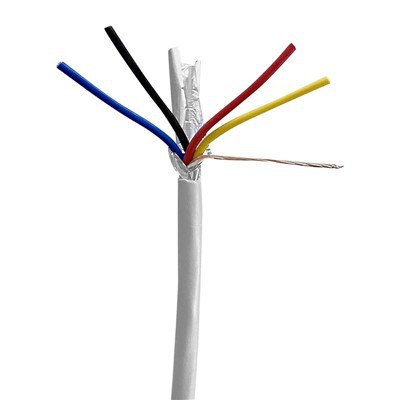
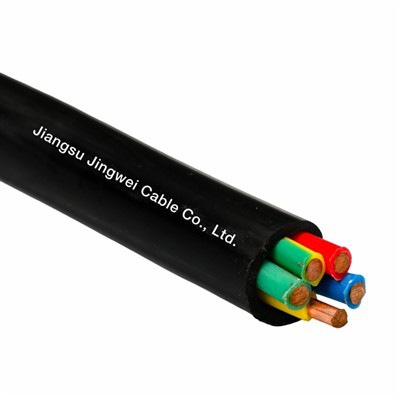
Splicing solid conductor wiring might seem like a daunting task, especially if you're new to electrical work. But don't worry! I'm here to guide you through the process step by step. As a supplier of Solid Conductor Wiring, I've seen it all, and I'm excited to share my knowledge with you.
Why Splice Solid Conductor Wiring?
There are several reasons why you might need to splice solid conductor wiring. Maybe you're extending a circuit, fixing a damaged wire, or connecting different electrical components. Whatever the reason, splicing is a crucial skill for anyone working with electricity.
Tools You'll Need
Before you start splicing, you'll need to gather a few essential tools:
- Wire strippers: These are used to remove the insulation from the wire. Make sure to choose the right size for your wire.
- Crimping tool: This tool is used to attach connectors to the wire. It's important to use a high-quality crimping tool to ensure a secure connection.
- Electrical tape: This is used to insulate the spliced wire and prevent electrical shocks.
- Heat shrink tubing: This is an alternative to electrical tape and provides a more professional and long-lasting insulation.
- Soldering iron: If you're using soldering to splice the wire, you'll need a soldering iron and solder.
Step-by-Step Guide to Splicing Solid Conductor Wiring
Step 1: Prepare the Wires
The first step is to prepare the wires for splicing. Use the wire strippers to remove about 1/2 inch of insulation from the end of each wire. Make sure to strip the insulation cleanly and evenly to avoid any sharp edges that could damage the wire.
Step 2: Choose the Right Splicing Method
There are several methods for splicing solid conductor wiring, including soldering, crimping, and using wire nuts. The method you choose will depend on the type of wire, the application, and your personal preference.
- Soldering: Soldering is a traditional method of splicing wires that involves melting solder onto the wires to create a permanent connection. This method is ideal for high-current applications and provides a strong and reliable connection. However, it requires some skill and practice to do correctly.
- Crimping: Crimping is a popular method of splicing wires that involves using a crimping tool to attach a connector to the wire. This method is quick and easy to do, and it provides a secure connection. However, it's important to use the right size connector and crimping tool to ensure a proper connection.
- Wire Nuts: Wire nuts are a simple and convenient way to splice wires. They are easy to use and provide a secure connection. However, they are not suitable for high-current applications or in areas where the wires are exposed to moisture or vibration.
Step 3: Splice the Wires
Once you've chosen the right splicing method, it's time to splice the wires. Here's how to do it:
- Soldering: If you're using soldering, heat the soldering iron and apply a small amount of solder to the tip. Then, hold the wires together and touch the soldering iron to the wires. The solder will melt and flow onto the wires, creating a permanent connection. Make sure to apply enough solder to cover the wires completely, but not too much that it drips off.
- Crimping: If you're using crimping, insert the wire into the connector and use the crimping tool to crimp the connector onto the wire. Make sure to crimp the connector firmly to ensure a secure connection.
- Wire Nuts: If you're using wire nuts, twist the wire nuts onto the wires until they are tight. Make sure to twist the wire nuts in the same direction as the wires to prevent them from coming loose.
Step 4: Insulate the Spliced Wire
Once you've spliced the wires, it's important to insulate the spliced wire to prevent electrical shocks. You can use electrical tape or heat shrink tubing to insulate the wire.
- Electrical Tape: To use electrical tape, wrap the tape around the spliced wire several times, making sure to cover the exposed wires completely. Make sure to overlap the tape slightly to ensure a secure connection.
- Heat Shrink Tubing: To use heat shrink tubing, slide the tubing over the spliced wire and heat it with a heat gun or a lighter. The tubing will shrink and conform to the shape of the wire, providing a tight and secure insulation.
Tips and Tricks
- Use the Right Size Wire: Make sure to use the right size wire for your application. Using a wire that is too small can cause overheating and damage to the wire, while using a wire that is too large can be wasteful and expensive.
- Strip the Insulation Cleanly: Make sure to strip the insulation cleanly and evenly to avoid any sharp edges that could damage the wire.
- Use the Right Splicing Method: Choose the right splicing method for your application. Consider the type of wire, the application, and your personal preference.
- Insulate the Spliced Wire: Make sure to insulate the spliced wire to prevent electrical shocks. Use electrical tape or heat shrink tubing to insulate the wire.
- Test the Connection: Once you've spliced the wires, test the connection to make sure it's working properly. Use a multimeter to test the continuity of the wire.
Conclusion
Splicing solid conductor wiring is a crucial skill for anyone working with electricity. By following the steps outlined in this guide, you can splice wires safely and effectively. Remember to use the right tools, choose the right splicing method, and insulate the spliced wire to prevent electrical shocks. If you have any questions or need further assistance, don't hesitate to contact us. We're here to help you with all your Solid Conductor Wiring needs.
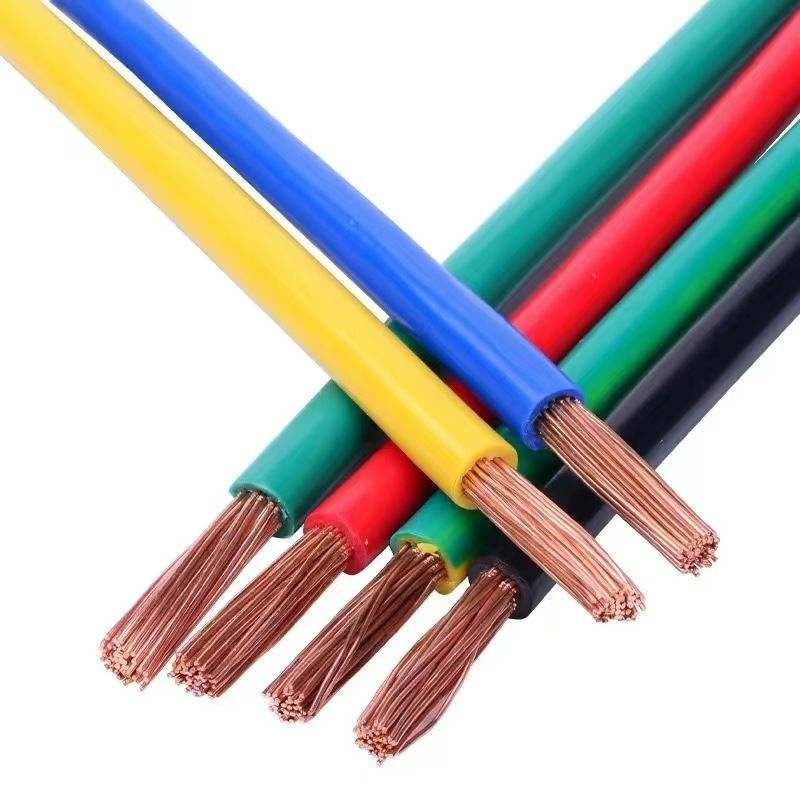
If you're interested in purchasing Solid Conductor Wiring or other related products like Flexible Stranded Wire, Copper Bare Conductor, or Tinned Stranded Copper, feel free to reach out to us for a purchase and negotiation. We're always happy to discuss your requirements and provide you with the best solutions.
References
- Electrical Wiring Handbook
- National Electrical Code