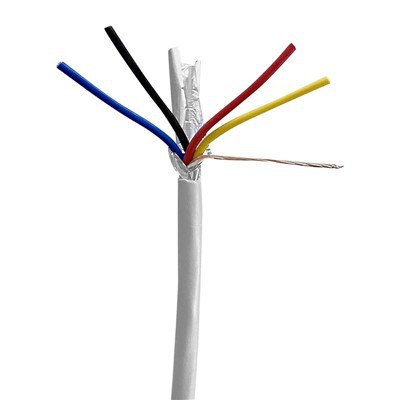
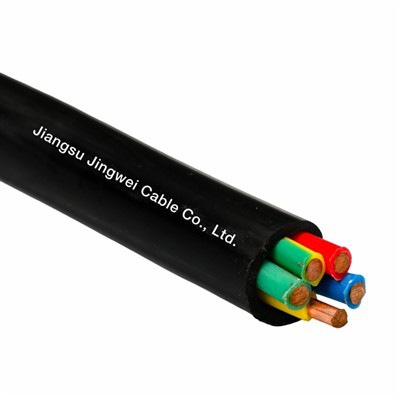
The lifespan of unarmoured power cables is a crucial consideration for both suppliers and consumers. As a supplier of unarmoured power cables, I understand the significance of providing reliable information about the longevity of our products. In this blog, I will delve into the factors that influence the lifespan of unarmoured power cables, the typical lifespan ranges, and how to maximize their durability.
Factors Affecting the Lifespan of Unarmoured Power Cables
1. Material Quality
The quality of materials used in the manufacturing of unarmoured power cables is a fundamental determinant of their lifespan. High - grade conductors, such as copper or aluminum with proper purity levels, offer better electrical conductivity and resistance to corrosion. Insulation materials also play a vital role. For example, cross - linked polyethylene (XLPE) insulation is known for its excellent electrical properties and resistance to environmental factors, which can significantly extend the cable's lifespan compared to lower - quality insulation materials.
2. Operating Conditions
The environment in which the unarmoured power cable operates has a profound impact on its lifespan. Temperature is a critical factor. High temperatures can accelerate the aging process of the insulation material, leading to reduced flexibility and eventual breakdown. Cables installed in hot environments, such as near industrial furnaces or in direct sunlight, will generally have a shorter lifespan than those in cooler settings.
Moisture is another major concern. If the cable is exposed to high humidity or water ingress, it can cause corrosion of the conductors and degradation of the insulation. For instance, cables used in outdoor or underground applications are more susceptible to moisture damage.
3. Electrical Load
The amount of electrical current flowing through the cable affects its lifespan. Overloading a cable can cause excessive heat generation, which can damage the insulation and conductors. If a cable is consistently operated at or near its maximum capacity, it will wear out more quickly than if it is operated within its recommended load limits.
4. Installation Quality
Proper installation is essential for the long - term performance of unarmoured power cables. Incorrect installation, such as improper bending radius, can cause mechanical stress on the cable, leading to insulation damage. Additionally, if the cable is not properly secured or protected during installation, it may be more vulnerable to physical damage from external factors.
Typical Lifespan Ranges
The lifespan of unarmoured power cables can vary widely depending on the factors mentioned above. Under ideal conditions, with high - quality materials, proper installation, and normal operating conditions, unarmoured power cables can last anywhere from 20 to 30 years.
However, in less favorable conditions, such as harsh environments or continuous overloading, the lifespan can be significantly reduced. For example, in an industrial setting with high temperatures and high levels of electrical interference, the cable may only last 10 - 15 years.
Maximizing the Lifespan of Unarmoured Power Cables
1. Choose High - Quality Cables
As a supplier, we offer a range of high - quality unarmoured power cables. Our Thick Power Cable is designed with top - grade materials to ensure long - term performance. The use of high - purity conductors and advanced insulation materials provides excellent electrical and mechanical properties, which can withstand various operating conditions.
2. Proper Installation
We recommend that our customers follow the installation guidelines provided with the cables. This includes maintaining the correct bending radius, proper grounding, and adequate protection from physical damage. Professional installation by trained technicians can significantly extend the lifespan of the cables.
3. Regular Maintenance
Regular inspections and maintenance can help identify potential issues before they become major problems. This includes checking for signs of wear, damage, or overheating. If any issues are detected, prompt repairs or replacements should be carried out.


4. Monitoring Electrical Load
It is important to monitor the electrical load on the cables to ensure they are not overloaded. This can be done using load monitoring devices. By keeping the load within the recommended limits, the lifespan of the cables can be extended.
The Importance of Choosing the Right Unarmoured Power Cable
Selecting the right unarmoured power cable for a specific application is crucial. Different applications have different requirements in terms of electrical load, environmental conditions, and safety. For example, Electrical Power Wire is suitable for general electrical power transmission, while Outdoor Underground Wire is designed to withstand the harsh conditions of outdoor and underground installations.
As a supplier, we have a team of experts who can help customers choose the most appropriate cable for their needs. We take into account factors such as the type of application, the electrical load, and the environmental conditions to ensure that the customer gets a cable that will provide reliable performance over its lifespan.
Conclusion
The lifespan of unarmoured power cables is influenced by multiple factors, including material quality, operating conditions, electrical load, and installation quality. By understanding these factors and taking appropriate measures, such as choosing high - quality cables, proper installation, regular maintenance, and load monitoring, the lifespan of unarmoured power cables can be maximized.
If you are in the market for unarmoured power cables, we invite you to contact us for a detailed discussion about your requirements. Our team of experts is ready to assist you in selecting the right cable for your application and ensuring its long - term performance.
References
- International Electrotechnical Commission (IEC) standards on power cables
- National Electrical Code (NEC) guidelines for cable installation and safety
- Industry research reports on cable materials and performance