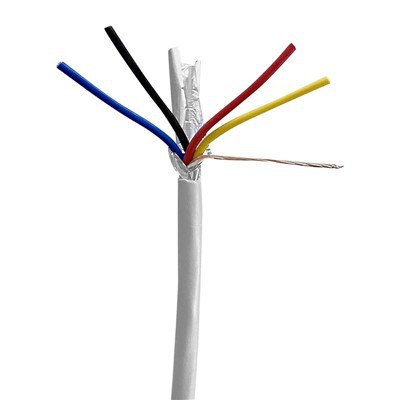
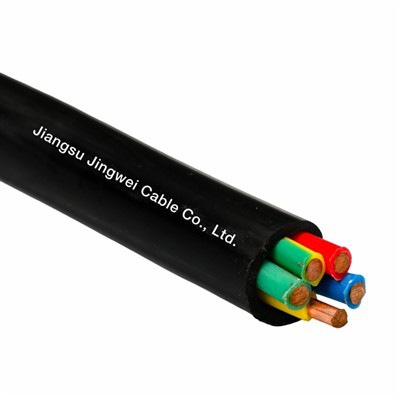
Single core DC cables play a crucial role in various electrical applications, from small electronic devices to large industrial systems. As a supplier of single core DC cables, I am often asked about the materials used in their production. In this blog post, I will delve into the different materials that go into making single core DC cables, their properties, and why they are chosen for specific applications.


Conductors
The conductor is the heart of a single core DC cable, responsible for carrying the electrical current. The most common material used for conductors in single core DC cables is copper. Copper is an excellent conductor of electricity, with high electrical conductivity and low resistance. This means that it can efficiently transmit electrical energy with minimal loss.
Copper is also highly ductile, which allows it to be drawn into thin wires without breaking. This property is essential for making cables, as it enables the production of cables with different diameters and cross-sectional areas to meet various application requirements. Additionally, copper is relatively corrosion-resistant, ensuring the long-term reliability of the cable.
Another material that can be used for conductors is aluminum. Aluminum is lighter and less expensive than copper, making it an attractive option for some applications. However, aluminum has lower electrical conductivity than copper, which means that it may require a larger cross-sectional area to carry the same amount of current. Aluminum is also more prone to corrosion, especially in certain environments, which can affect the performance and lifespan of the cable.
Insulation
Insulation is used to prevent the flow of electrical current from the conductor to the surrounding environment. It also provides mechanical protection to the conductor and helps to maintain the integrity of the cable. There are several materials that can be used for insulation in single core DC cables, each with its own properties and advantages.
One of the most common insulation materials is polyethylene (PE). PE is a thermoplastic material that is widely used in cable insulation due to its excellent electrical properties, low dielectric constant, and high insulation resistance. PE is also resistant to moisture, chemicals, and abrasion, making it suitable for a wide range of applications.
Another popular insulation material is polyvinyl chloride (PVC). PVC is a versatile material that is known for its flexibility, durability, and flame resistance. PVC insulation is commonly used in low-voltage applications, such as household wiring and control cables. It is also relatively inexpensive, making it a cost-effective option for many applications.
Cross-linked polyethylene (XLPE) is another type of insulation material that is commonly used in high-voltage single core DC cables. XLPE has excellent electrical properties, high thermal stability, and good resistance to environmental factors. It is also more resistant to mechanical stress and aging than other insulation materials, making it suitable for long-term use in harsh environments.
Jacketing
The jacketing is the outermost layer of the cable, providing additional protection to the insulation and conductor. It helps to prevent damage from mechanical stress, moisture, chemicals, and other environmental factors. The choice of jacketing material depends on the specific application and the environmental conditions in which the cable will be used.
One of the most common jacketing materials is PVC. PVC jackets are flexible, durable, and resistant to abrasion, chemicals, and moisture. They are commonly used in indoor and outdoor applications, such as building wiring, industrial control systems, and telecommunications.
Another popular jacketing material is polyethylene. Polyethylene jackets are lightweight, flexible, and resistant to UV radiation and environmental stress cracking. They are commonly used in outdoor applications, such as underground cables and overhead power lines.
For applications that require high resistance to fire and heat, a fire-resistant jacketing material may be used. These materials are designed to prevent the spread of fire and reduce the risk of electrical hazards. Examples of fire-resistant jacketing materials include halogen-free materials, such as ethylene propylene rubber (EPR) and silicone rubber.
Shielding
In some applications, single core DC cables may require shielding to protect against electromagnetic interference (EMI) and radio frequency interference (RFI). Shielding is a layer of conductive material that is placed around the insulation to create a barrier between the conductor and the surrounding environment.
The most common shielding material is copper foil or braid. Copper is an excellent conductor of electricity and can effectively block EMI and RFI. Copper shielding can be applied in different forms, such as a foil layer or a braided layer, depending on the specific application requirements.
Another type of shielding material is aluminum foil. Aluminum is lighter and less expensive than copper, but it has lower electrical conductivity. Aluminum shielding is commonly used in applications where cost is a major factor and the level of EMI and RFI is relatively low.
Conclusion
In conclusion, the materials used to make single core DC cables are carefully selected based on their electrical, mechanical, and environmental properties. Copper is the most common conductor material due to its high electrical conductivity and low resistance. Polyethylene, PVC, and XLPE are commonly used for insulation, while PVC and polyethylene are popular jacketing materials. Shielding may be added to protect against EMI and RFI.
As a supplier of single core DC cables, we offer a wide range of cables made from high-quality materials to meet the diverse needs of our customers. Whether you need a cable for a small electronic device or a large industrial system, we can provide you with the right solution. If you are interested in purchasing single core DC cables or have any questions about our products, please feel free to [contact us for procurement and negotiation].
References
- "Electrical Wiring Handbook" by Terrell Croft and Wilford Summers
- "Cable Engineering Handbook" by W. A. Thue and J. R. Thue
- "Insulation Materials for Electrical Equipment" by R. M. Hurd
Irrigation Control Cable
Electrical Control Cable
Copper Control Cable