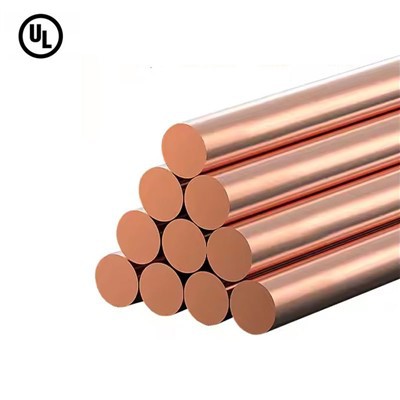
Hey there! As a supplier of single solid wire, I often get asked about the weight of single solid wire per unit length. It's a pretty common question, and for good reason. Knowing the weight per unit length can be super helpful in a bunch of different ways, whether you're planning a project, estimating costs, or just trying to understand the properties of the wire you're working with.
Let's start by talking about what single solid wire is. Single solid wire is exactly what it sounds like - a single, solid piece of wire. It's different from stranded wire, which is made up of multiple smaller wires twisted together. Single solid wire is often used in applications where you need a more rigid and stable connection, like in electrical wiring for buildings or in some types of electronics.
Now, the weight of single solid wire per unit length depends on a few different factors. The main ones are the material the wire is made of and its diameter. Different materials have different densities, which means they weigh different amounts for the same volume. For example, copper is a commonly used material for single solid wire, and it has a density of about 8.96 grams per cubic centimeter. Aluminum, on the other hand, has a density of about 2.7 grams per cubic centimeter. So, if you have two wires of the same diameter but one is made of copper and the other is made of aluminum, the copper wire will weigh more per unit length.
The diameter of the wire also plays a big role. The larger the diameter, the more material there is in a given length of wire, and the heavier it will be. You can think of it like a straw - a thicker straw has more plastic in it than a thinner one, so it weighs more.
To calculate the weight of single solid wire per unit length, you can use a simple formula. The formula for the volume of a cylinder (which is what a wire is, basically) is V = πr²h, where V is the volume, r is the radius of the wire, and h is the length. Once you have the volume, you can multiply it by the density of the material to get the weight.
Let's say you have a copper wire with a diameter of 2 millimeters. First, you need to convert the diameter to the radius, which is half of the diameter. So, the radius is 1 millimeter, or 0.1 centimeters. Let's assume you want to find the weight per 1 meter (or 100 centimeters) of wire. Using the formula V = πr²h, we get V = π(0.1)²(100) = 3.14 cubic centimeters. Since the density of copper is 8.96 grams per cubic centimeter, the weight of this 1 - meter length of wire is 3.14 x 8.96 = 28.13 grams.
Now, I know that doing all these calculations can be a bit of a hassle. That's why we, as a single solid wire supplier, often provide weight - per - unit - length information for our products. It makes it much easier for our customers to plan their projects and make informed decisions.
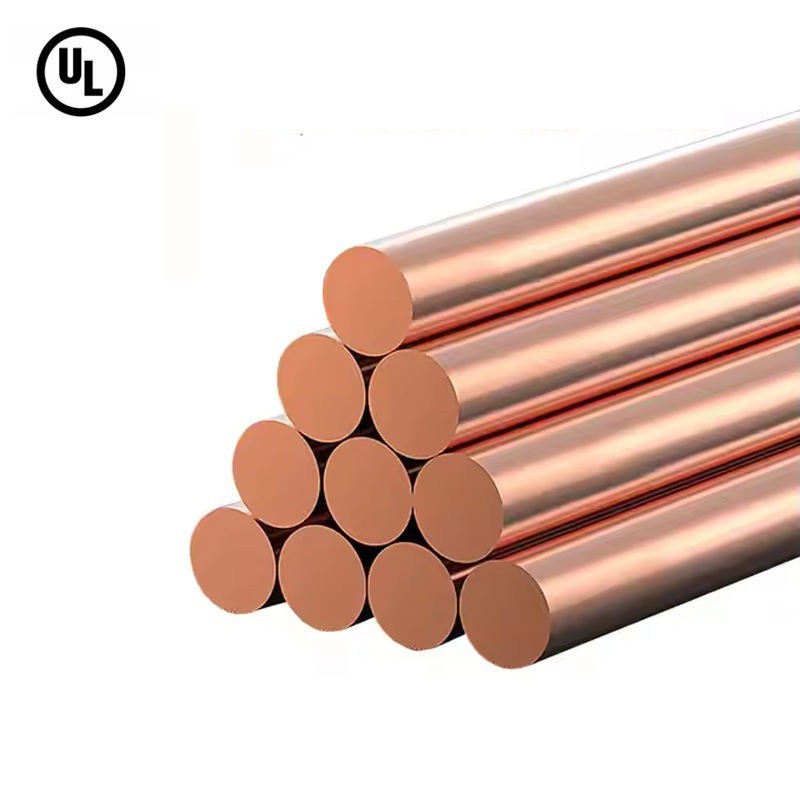
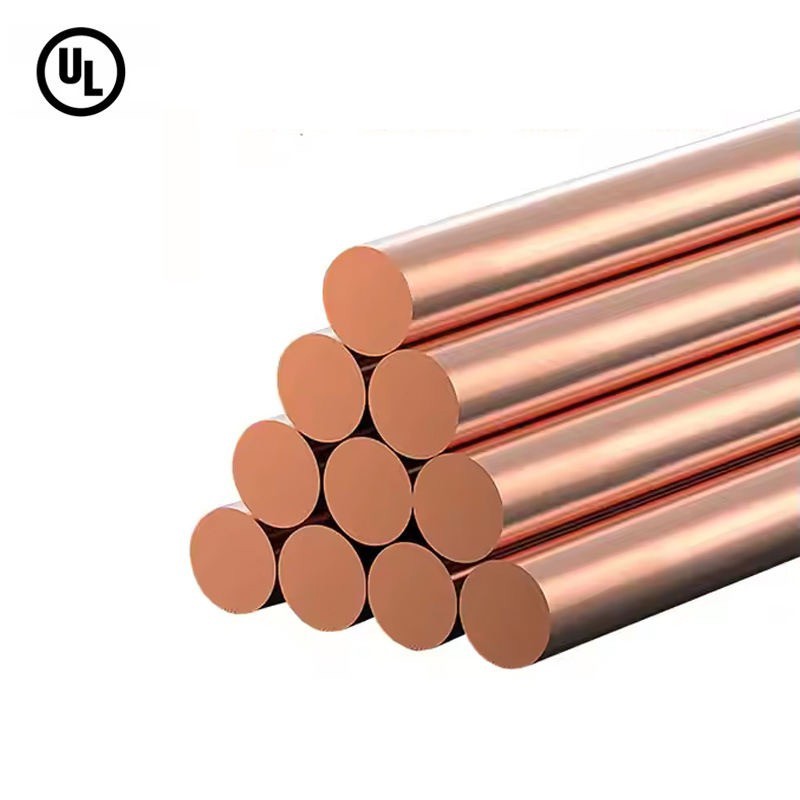
We offer a variety of single solid wires, including Hard Drawn Bare Copper Wire, Solid Conductor Wiring, and Soft Drawn Bare Copper Wire. Each of these types of wire has its own unique properties and applications.
Hard drawn bare copper wire is known for its high strength and durability. It's often used in applications where the wire needs to withstand a lot of stress, like in overhead power lines. The hard drawing process gives the wire a more rigid structure, which also affects its weight per unit length. Since it's denser due to the drawing process, it will weigh a bit more compared to a soft drawn copper wire of the same diameter.
Solid conductor wiring is great for general electrical applications. It provides a stable and reliable connection, and the weight per unit length can vary depending on the material and diameter. We offer solid conductor wiring in different materials, including copper and aluminum, so you can choose the one that best suits your needs.
Soft drawn bare copper wire is more flexible than hard drawn copper wire. It's often used in applications where the wire needs to be bent or shaped easily, like in some types of electronics. The softer structure means it may have a slightly different weight per unit length compared to hard drawn copper wire.
When you're choosing a single solid wire for your project, it's important to consider not only the weight per unit length but also other factors like conductivity, flexibility, and cost. For example, copper is a great conductor of electricity, but it's also more expensive than aluminum. So, if you're on a tight budget and conductivity isn't the most critical factor, aluminum wire might be a better choice.
If you're interested in learning more about our single solid wire products or need help calculating the weight per unit length for a specific wire, don't hesitate to reach out. We're here to help you find the right wire for your project and answer any questions you might have. Whether you're a professional electrician, an engineer, or just a DIY enthusiast, we've got the single solid wire solutions you need.
In conclusion, the weight of single solid wire per unit length is an important factor to consider when working with wire. It depends on the material and diameter of the wire, and you can calculate it using a simple formula. As a single solid wire supplier, we offer a wide range of products with detailed weight - per - unit - length information to make your project planning easier. So, if you're in the market for single solid wire, give us a call or send us an email, and let's start the conversation about your project.
References
- Handbook of Electrical and Electronic Insulating Materials
- Electrical Wiring: Principles and Practices